

•
Discover cabinet installation cost estimates, including average prices, key cost factors, and tips to save on your new kitchen or bathroom cabinets.
Cabinet making costs depend on your project and location. Check with a local pro for your specific job.

Professional cabinet removal costs $500 on average, with your small kitchen running $180 to $400 and large kitchens reaching $600 to $1,000.
Your kitchen size and the linear footage of cabinetry determine your total removal cost, with contractors charging per foot or hourly.
Budget for electrical or plumbing disconnection if your cabinets contain built-in appliances, and consider debris removal fees when planning your project.
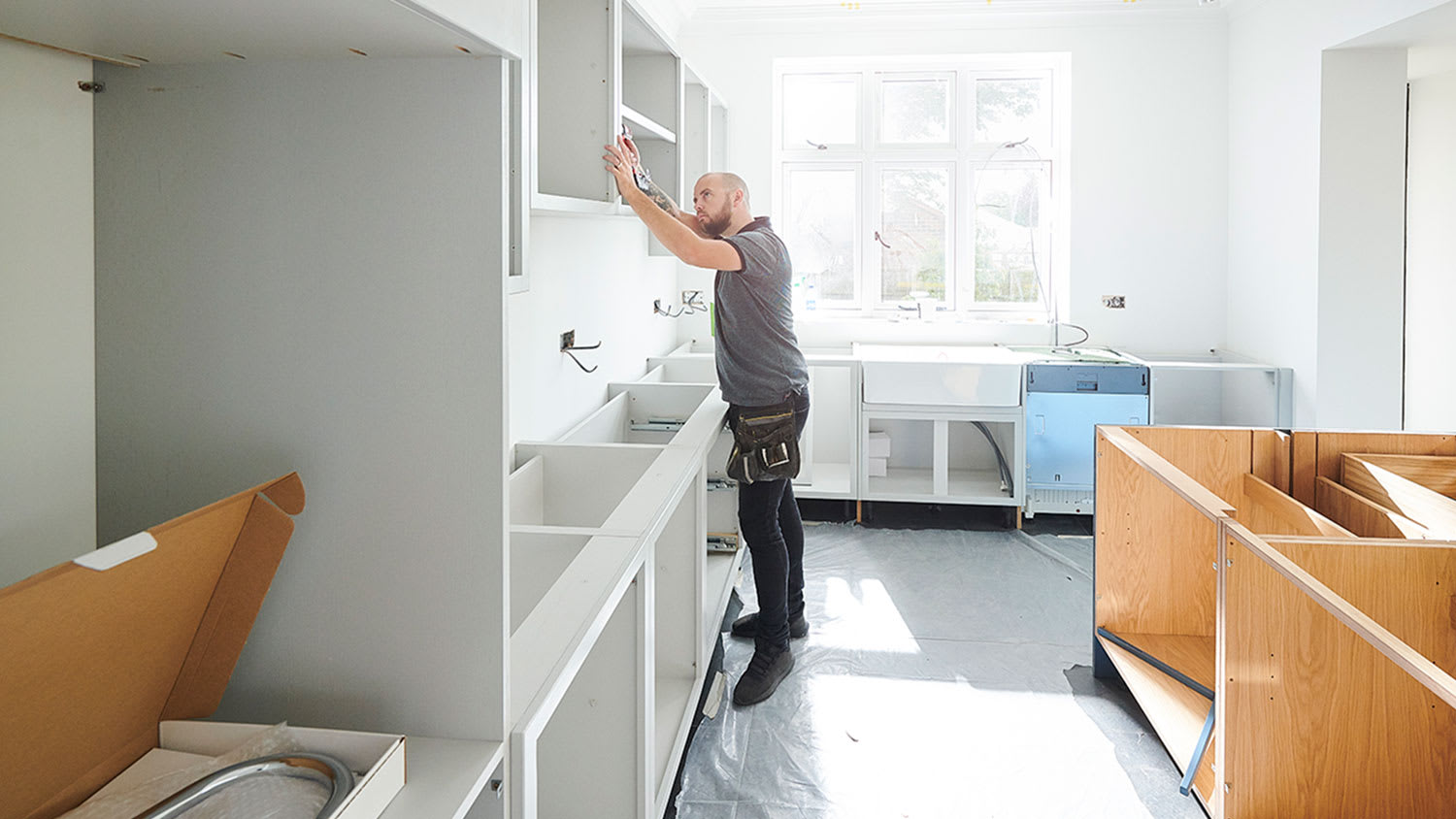
Hiring a local cabinet professional keeps you safe by handling heavy lifting and protects nearby counters, floors, and plumbing from damage.
Cabinet removal costs $500 on average, but pricing depends on the size of the kitchen, labor costs, and tipping. Since the cost to remove cabinets is $350 and $800 per linear foot, you can expect to pay $180 to $400 for a small kitchen and $600 to $1,000 for a large kitchen. Let’s review how to budget for the cost of hiring a cabinet contractor to remove cabinetry.
Your cabinet removal cost will depend on the size of your kitchen and labor costs. Here is a breakdown of what makes up your budget.
The typical cabinet removal cost is between $15 to $20 per linear foot. Most contractors will charge based on the length of the cabinetry. Below are the average costs for these standard cabinetry lengths.
| Kitchen Size in Square Feet | Cabinet Size in Linear Feet | Average Cabinet Removal Cost |
|---|---|---|
| 70–100 | 12–20 | $180–$400 |
| 100–200 | 20–30 | $400–$600 |
| 200–400 | 30–50 | $600–$1,000 |
A local cabinet contractor or general contractor can remove your existing kitchen cabinets safely and efficiently. Many will charge by the linear foot, but some charge around $50 to $100 per hour. You may also need to budget for a local electrician or a local plumber to help disconnect utilities:
Hourly rate plumbers charge: $45–$200 per hour
Cost to hire an electrician: $50–$200 per hour
If you’re wondering whether tipping your remodeling contractor is necessary, know that it isn’t—contractors will charge the customer their expected pay, and employees are typically paid a fair hourly rate. However, if you feel they went above and beyond, a tip between 10 and 20 percent of the project cost is generally a good amount to stick to. Alternatively, you can offer a meal or refreshments as a gesture of appreciation.

Here are a few projects you may want to consider while you plan your cabinet removal project:
Cost to install kitchen cabinets: $2,000–$10,600
Countertop costs: $1,900–$4,400
Tile flooring cost: $800–$3,000
New appliances cost: $350–$8,000
Cost to demo a kitchen: $300–$3,000
There are many reasons to leave this job to a pro. For one, you risk damaging nearby counters, floors, and appliances, and repairs could cost more than what you’d save by DIYing.
Plus, cabinets are heavy and often located near plumbing and electrical work, making it a risk to try removing them yourself. You’ll need to recruit a friend to help, and still you could risk shock, piercing the plumbing and causing a leak, or dropping the cabinetry and injuring yourself. Instead, let a cabinet contractor near you safely and efficiently handle removal.
There are several safety, financial, and time benefits to hiring a pro:
Cabinets are heavy, but pros can safely take down cabinets with minimal risk of injury or damage to nearby counters and floors.
Reputable cabinet contractors are licensed and insured, offering peace of mind in case of an accident.
Pros can inspect for and safely remove any cabinets with lead, asbestos, or mold.
DIY cabinet removal or installation could void material warranties.
If you want to reuse or sell the cabinets after removal, it’s best to let a pro remove them to minimize the risk of damaging the cabinets.
Pros will carefully remove old cabinets to minimize drywall damage and to avoid striking any plumbing or wiring in or behind cabinets.
Cabinet contractors can remove cabinets faster than if you DIY.
Cabinetry pros can even haul away the old materials for you.
The fastest, safest route for cabinet removal is to hire a pro. However, you can assist with this project by:
Removing doors, drawers, shelves, and hardware from the cabinets.
Clearing the area in and around the cabinets, including removing appliances and dishes from counters.
Renting a dumpster and cleaning up the construction debris yourself.
List used cabinetry in good condition for sale, or donate materials in good condition.
Keep these tips in mind to help you save on costs for your cabinet removal project:
Obtain quotes from at least three different contractors to find the best deal.
If you have the necessary skills and tools, consider removing the cabinets yourself.
Consider selling your old kitchen cabinets if they’re still in good condition after removal.
If planning a more extensive renovation, consider handling your cabinet removal with other projects to save on your overall cost.
Measure the size of the cabinets so that pros can give you the most accurate quotes for the job.
Make a plan for what to do with the cabinets after removal, especially if you plan to reuse, sell, or donate the cabinets.
Discuss costs for cleanup and junk removal, and compare whether to let the pros handle these tasks or rent a dumpster and DIY.
Clear all cabinets of food, dishware, and other objects.
Have an electrician and plumber come to mark and potentially relocate utilities before construction begins.
Home is the most important place on earth, which is why Angi has helped more than 150 million homeowners transform their houses into homes they adore. To help homeowners with their next project, Angi provides readers with the most accurate cost data and upholds strict editorial standards. We extensively research project costs to develop the pricing data you see, so you can make the best decisions for you and your home. We rely on reputable sources, including the U.S. Bureau of Labor Statistics, academic journals, market studies, and interviews with industry experts—all to ensure our prices reflect real-world projects.
Want to help us improve our cost data? Send us a recent project quote to [email protected]. Quotes and personal information will not be shared publicly.
Terrible experience. Walls/trim/floors/cabinets/doors all have drip marks, overspray, etc. Tiling at the fireplace had to be redone by another vendor due to incorrect and shoddy install by Profect. Contractor had his children in our house while he was on site without prior authorization or...
 Profect painting & exteriors
My kitchen cabinets look brand new thanks to Custom Paint Jobs LLC. Their refinishing is exceptional.
 Custom Paint Jobs, LLC
If I could give 10 stars for Kitchen Tune Up, I would. I cannot say enough good things about my experience with Kitchen Tune Up and the entire team involved in the process of my kitchen project. They went above and beyond as far as service and quality with my cabinets, paint, countertops, and...
We live in a condo and had space to add a tall cabinet. The problem was the space was already occupied by our catsâ litter box. We needed to still keep the litter box in that same corner. Beiler Custom Cabinets was able to work with our need and design request. What was created was an...
 Beiler Custom Cabinets, LTD
Absolutely amazing, Rob and his team are extremely efficient and professional. Pink Dumpster Rentals, Demolition, And Hauling is a go to for getting my property cleared up so we can pursue the upgrades we want to make on our home.
 Pink Dumpster Rentals, Demolition, And Hauling
They work that 360 did on my kitchen cabinets is nothing short of amazing. I still cannot believe the difference from before and after. Jon and Jeff were both so incredibly professional throughout the whole process and their communications with me were constant and consistent. These guys...
 360 Painting Columbus
I had a variety of projects around my house. The work was done quickly and correctly. I was kept informed of every step during the projects and they followed up with me to make sure it was all good.
 House Doctors
Phil understood the style I wanted and suggested options for materials (unlike the standard kitchen folks who kept pushing the same cabinets everyone buys). He stepped through all the decisions about the details with me, using his computer program to show the differences between the choices....
 Baker Group Remodeling
I had a great experience with this company. They installed a small TV on the wall of my kitchen between two cabinets. Team came out and did a very thorough inspection and quote. The rep who installed the TV had to do some extra work to snake the cords behind the wall from the top cabinets...
 The Theater People
I couldn't be more pleased with the job Ryan and his team did! My old oak kitchen cabinets now look like brand new white ones. They were able to provide an estimate based on my photos that was far below other companies I checked with, and that was the final price too. They were able to come...
 Rhino Painting & Color Consulting LLC
From average costs to expert advice, get all the answers you need to get your job done.
Discover cabinet installation cost estimates, including average prices, key cost factors, and tips to save on your new kitchen or bathroom cabinets.
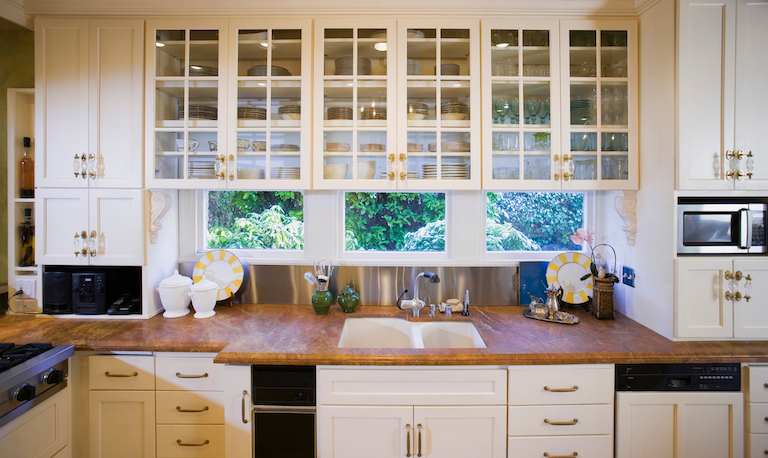
Discover custom cabinets cost for your home. Learn about average prices, installation factors, and ways to save on your custom cabinetry project.
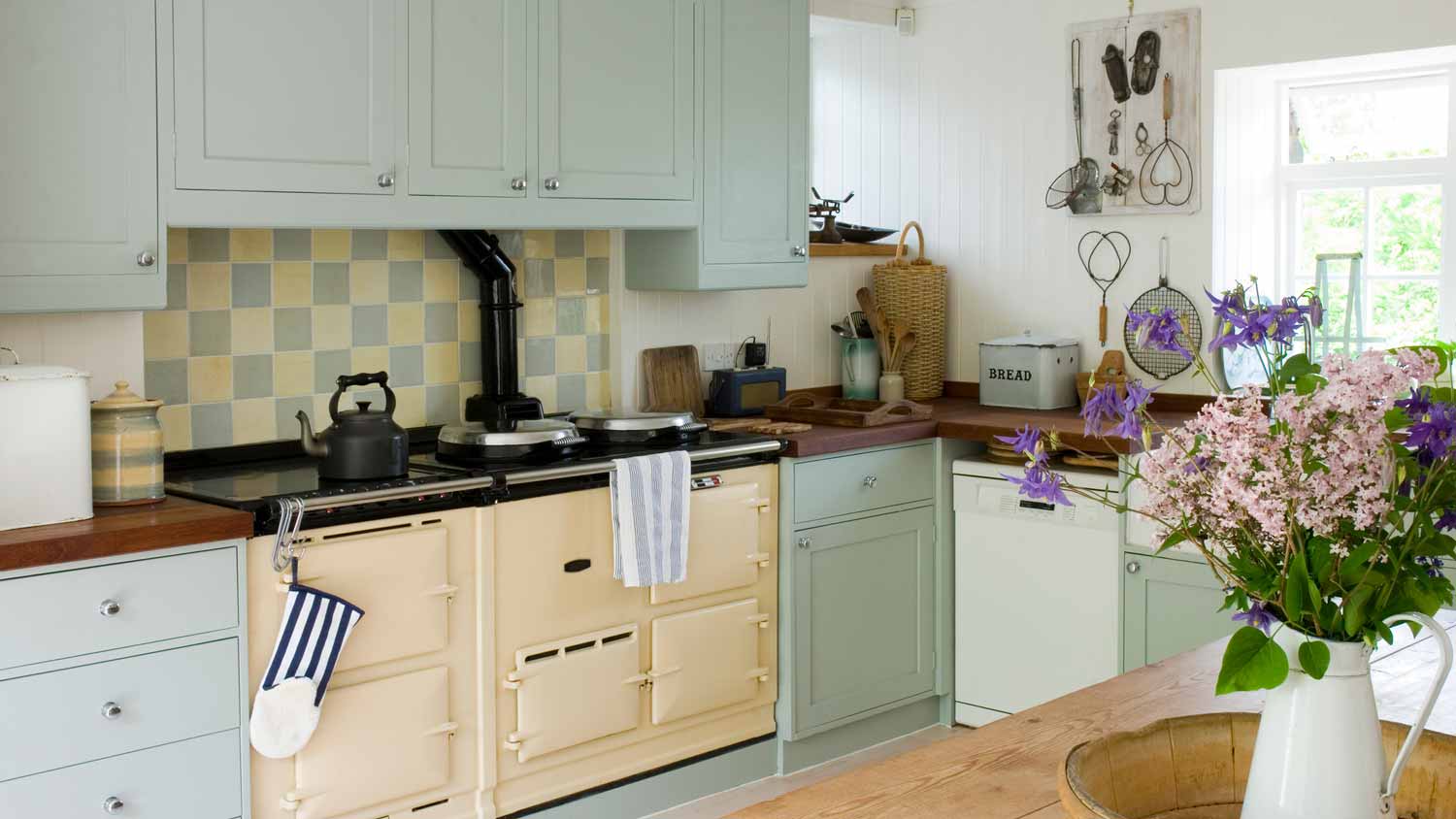
Is it time for new cabinet doors in your kitchen? Let’s explore the costs of new cabinet doors so you know exactly what to expect.
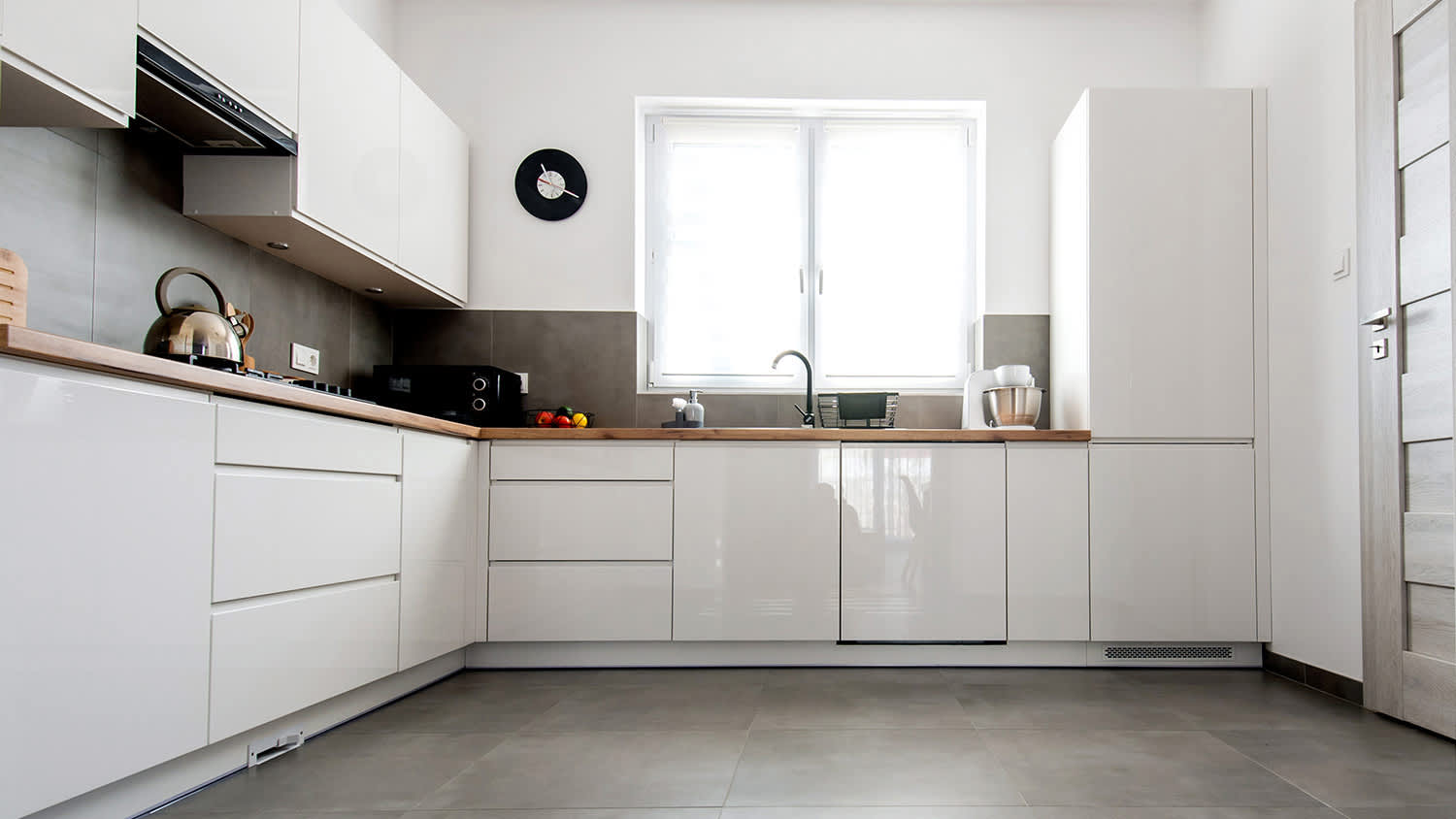
What’s the cost of refacing kitchen cabinets vs. replacing them entirely? We break down the many factors to consider when deciding between the two.
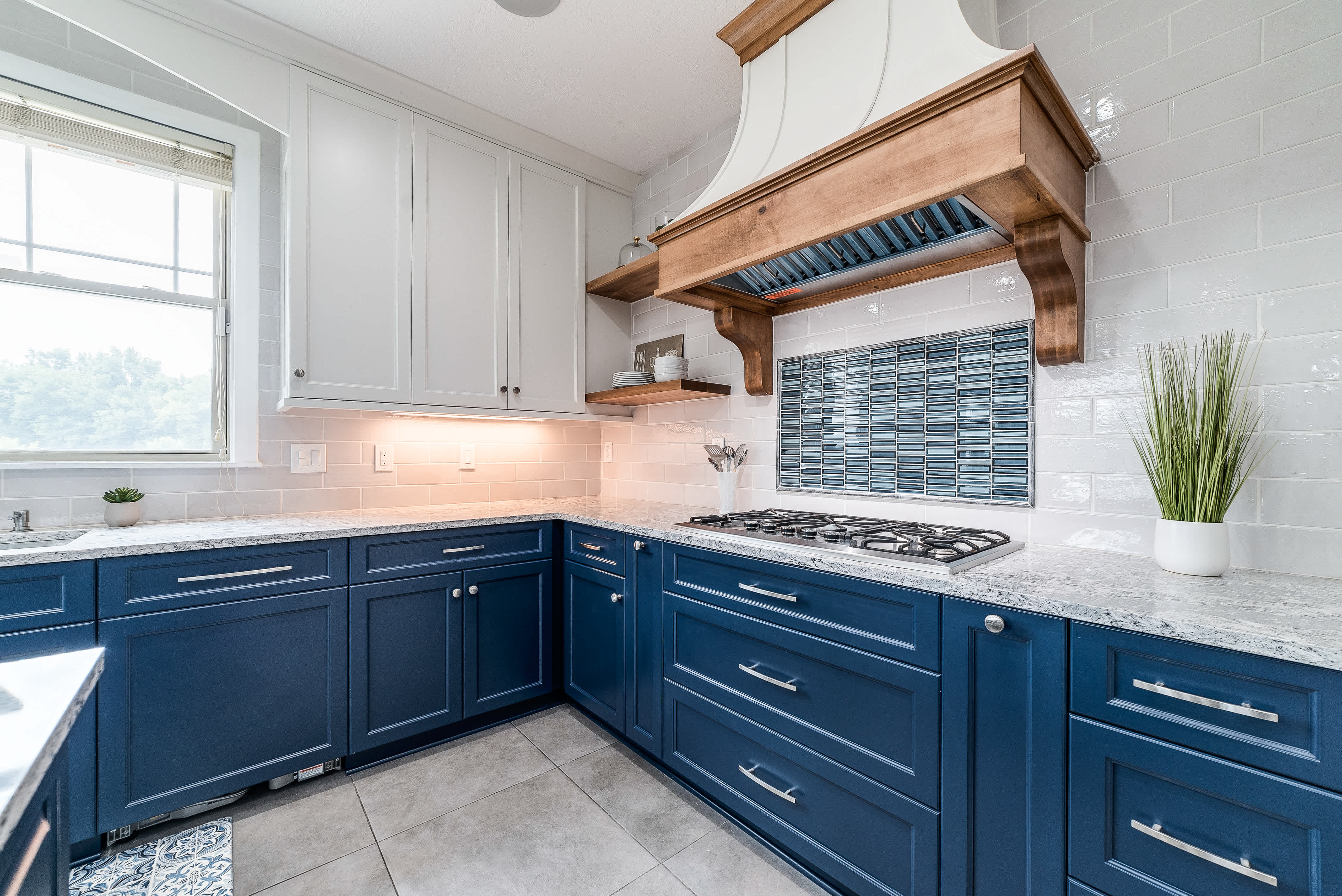
Installing new cabinets? Use this checklist to get your project started.
If you’re in the market to hire someone to install cabinet hardware, you should consider hiring a professional cabinet installer. Find out why in this guide.