
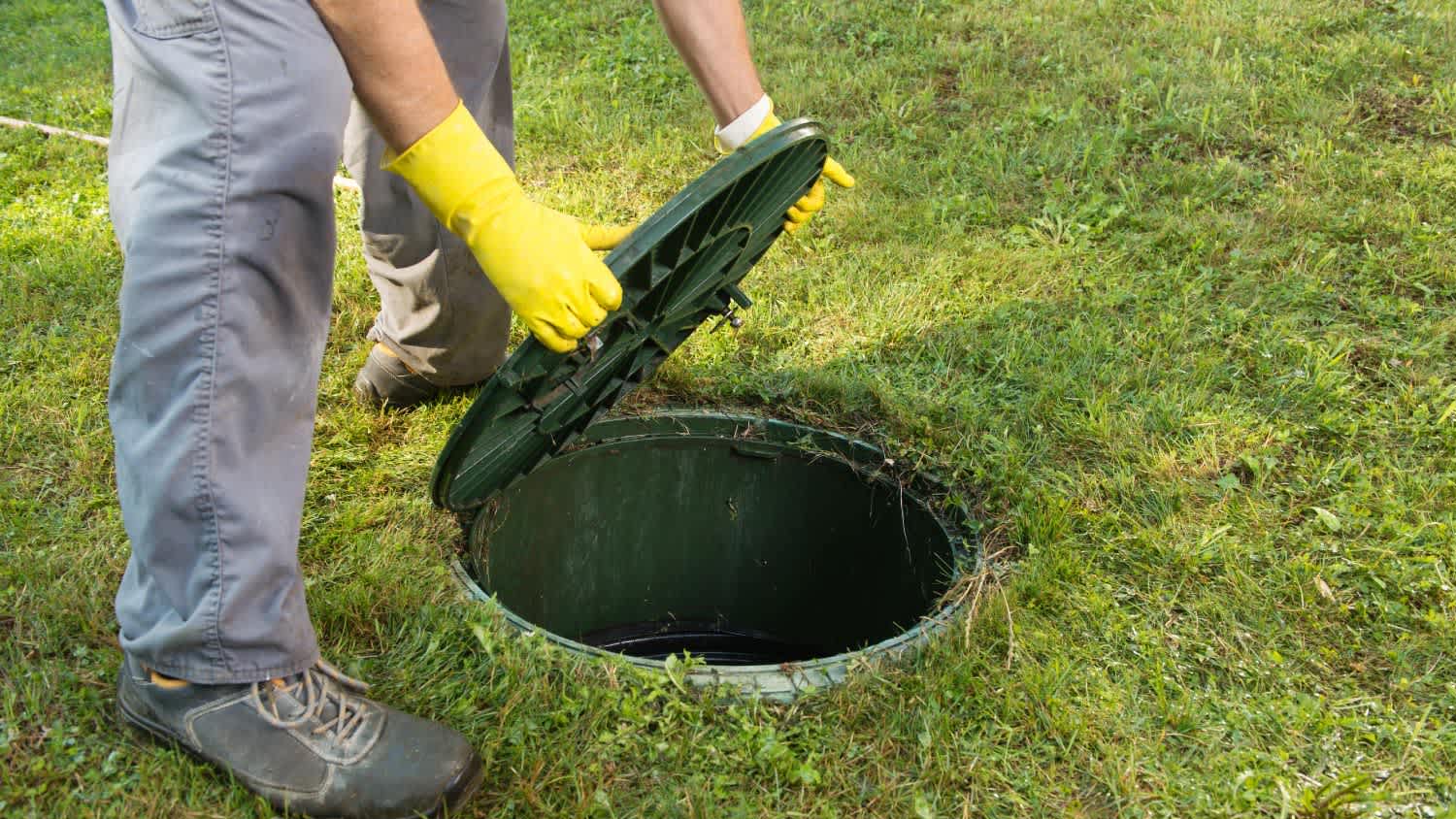
The cost of converting a cesspool to a septic system depends on factors like labor, complexity, and materials. Use our guide to estimate your budget.
A cesspool isn’t always a reason to waste a home-buying opportunity

Your cesspool stores wastewater without treating it like a septic system does, so you need pumping every six to 12 weeks to prevent backups.
Cesspool pumping costs $290 to $535 per service, and with frequent pumping needs, you face annual maintenance costs between $1,260 and $4,640.
Verify the cesspool's age and condition with a pre-sale inspection to check for leaks, structural issues, and proper tank capacity for your household.
Hiring a local septic tank repair professional provides reliable help with cesspool inspections, pumping schedules, and planning your eventual conversion to a septic system.
If you’ve found your dream home but it comes with a cesspool, that doesn’t mean you need to call off the deal. When buying a home with a cesspool, which is a wastewater storage tank, it’s important to understand how it works, how to best manage it, and the costs you can expect as a homeowner. Check out these seven tips for everything you need to know before buying a house with a cesspool.
It’s easy to get cesspools and septic tanks confused, but they have some key differences. They serve the same purpose of managing wastewater via an underground tank system, but a cesspool is basically an older model of a septic system.
Cesspools, which are also called cesspits, don’t treat and filter wastewater the way that septic systems do—instead, they store waste until it can be pumped out. Even older cesspools use perforations between bricks to filter wastewater out and leave sewage sludge inside the tank.
If you’re definitely looking at a house with a cesspool, be aware that you might be required to replace it (more on that later).

Depending on the demand your household puts on your sewage system, your cesspool likely needs to be pumped by a local septic tank contractor every six to 12 weeks. With the average cost of having a cesspool pumped ranging from $290 to $535, you could be looking at between $1,260 and $4,640 per year in basic maintenance.
These costs far outweigh the maintenance expenses of other sewage systems. Since your cesspool could overflow, back up your pipes, and pollute your ground, there’s no avoiding this cost. However, keeping up with cesspool maintenance and repairs and managing your use can help reduce how often you need to get it pumped.
Regardless of your sewage system, there are a variety of substances you shouldn’t put down the drain. With a cesspool, you’re on the hook if your system clogs, and you could end up with leaky and backed-up pipes or an overflowing tank. Think about what you typically send down your drains, and if you’re not great at keeping these no-go items out of your sewage system, you’re probably not ready for a cesspool.

Cesspools are largely considered biohazards to the nearby area, which is why the Environmental Protection Agency (EPA) and various municipalities and regions ban or restrict their use. In many cases, homeowners are required to shut down their cesspool and replace it with another type of sewage treatment system.
Even if you’re permitted to have an operational cesspool on your property, you’ll still have to deal with the negative effects. These can include polluted or contaminated water sources as well as damaged ecosystems. An inspection by a qualified local cesspool or septic system contractor can verify compliance with local regulations.
If the home relies on a cesspool and you won’t be replacing it immediately, it’s important to verify its age and condition. In addition to having a standard home inspection and getting maintenance records from the sellers, you can also request a pre-sale cesspool inspection. The inspector can use various tests to check for leaks and other structural issues. The inspection should also cover:
The flow of wastewater from the plumbing system to the tank
The location of the tank and proximity to wells or other sensitive areas
The size of the tank relative to the home
Cesspools last between 20 and 40 years and eventually require replacement. If you can’t verify the age and condition of the cesspool, you’d be taking on a pretty big risk.

Since a cesspool is designed to collect and store waste from the home, it needs to be the appropriate size and capacity to handle the waste management demands. To determine if the cesspool is the right size for your family, you can refer to the number of people living in the home and the number of bedrooms.
| Number of People | Number of Bedrooms | Tank Size in Liters |
|---|---|---|
| 2 | 1 | 18,000 |
| 3 | 2 | 25,000 |
| 4 | 3 | 36,000 |
| 5 | 4 | 40,000 |
| 6 | 5 | 54,000 |
With the various advantages of septic tanks and regulations requiring cesspools to be phased out, it’s worth planning to eventually convert the cesspool to a septic tank and factoring that into your future costs associated with the home.
There are a few factors that can impact the final cost, such as the tank size, septic tank type, and more, but you can expect to pay between $3,600 and $20,000 for the cost of converting a cesspool to a septic tank.
I recently moved to another state and chose United Trust Van Lines after comparing several companies. Their team was punctual, professional, and extremely careful with my belongings. I was especially impressed with how they handled my home office setup and fragile items. Everything arrived on...
 United Trust Van Lines, LLC
Positive experience. As previously stated, the replacement/repair could not be completed (no fault of the plumbing tech) b/c misinformation was rec?d by property management maintenance. Thanks to the plumbing tech for your efforts. Appreciate you!
 The Waterworks
As usual with ECO, tech Jordan was outstanding, very professional, very knowledgeable, and very thorough with repairs made to tankless water heaters. Very highly recommend ECO!!!
 Eco Plumbers, Electricians, and HVAC Technicians
I would recommend this company to anyone! He showed up on time, was friendly, completed a very difficult repair on our dryer vent cover, was responsive, and pricing was extremely fair and competitive. I would have him back to do any of our repairs or cleanings without hesitation!
 U.S.A. Dryer Vent, LLC
Best cleaning I've had at my property
I'm a repeat customer of All Star Paving & Sealing and I appreciate the service that all start paving has done for me in the past. I just recently had them out for an estimate and things couldn't have gone better. The staff that they send out to do the estimates are very knowledgeable. The...
 All Star Paving and Sealing
Supreme Brick & Chimney is one of the best service providers I’ve interacted with. Extremely efficient, knowledgeable, and thorough. They took the time to walk me through their detailed full-service inspection and were extremely professional. Not to mention their turnaround time was...
 Supreme brick & chimney
They were great! They were thorough and efficient and paid attention to the details. Definitely recommend. I'm definitely going back!
 FIFI'S EARTH FRIENDLY CLEANING
Storms Mobile Welding was great to work with. They were prompt, professional and did an overall excellent job on the project. I highly recommend.
Great experience all together. Dog friendly, courteous, great results and honest with recommendations. Will certainly be using Cardinal in the future for any carpet repairs
 Cardinal Carpet Care & Repair
From average costs to expert advice, get all the answers you need to get your job done.
The cost of converting a cesspool to a septic system depends on factors like labor, complexity, and materials. Use our guide to estimate your budget.
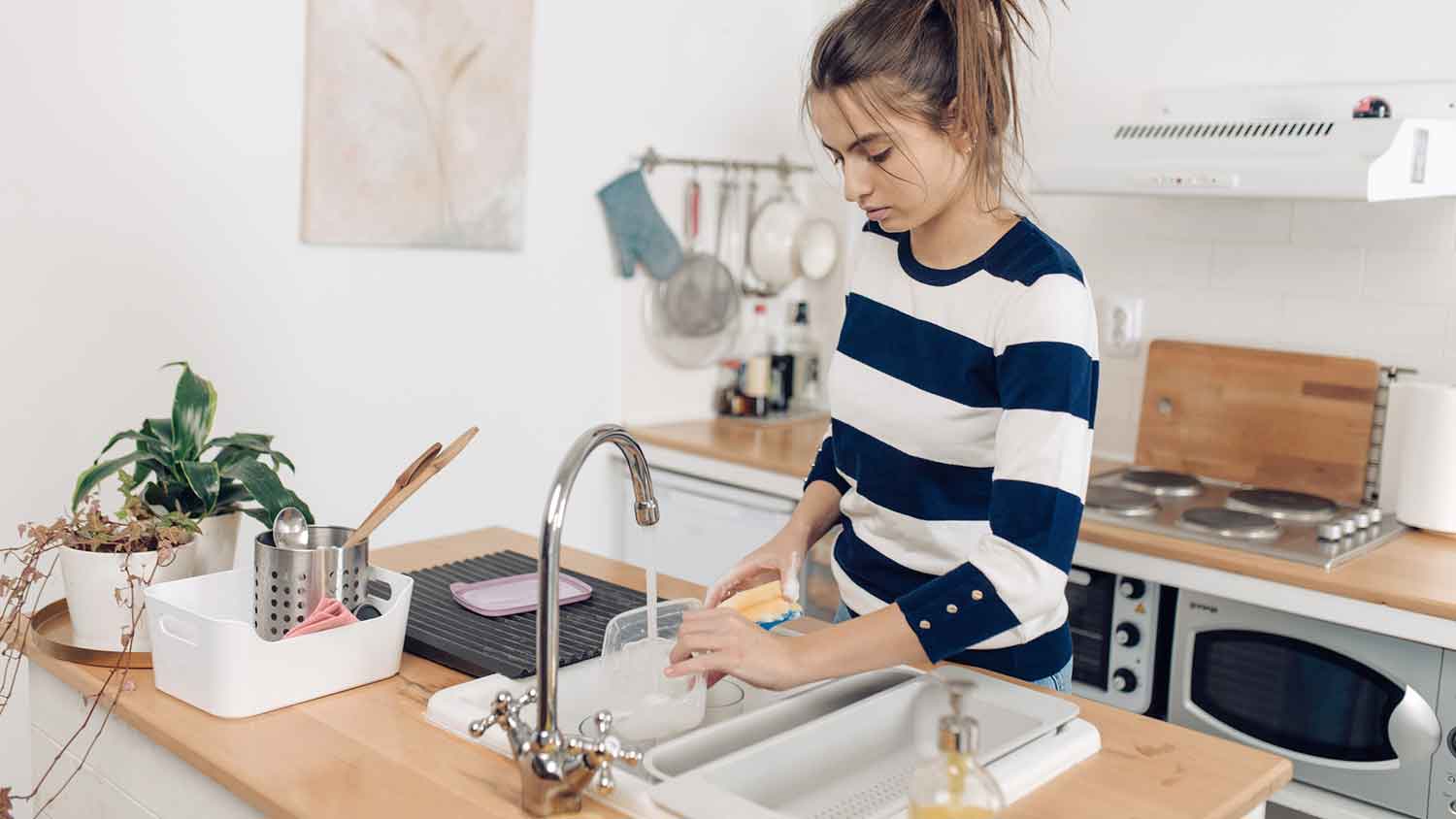
Are cesspools legal? Can you build a new one or operate an existing one within the limits of the law? Get the facts in this comprehensive homeowner’s guide.

Stay ahead of potential cesspool issues. Follow these crucial cesspool maintenance tips to keep your wastewater system running in top condition.
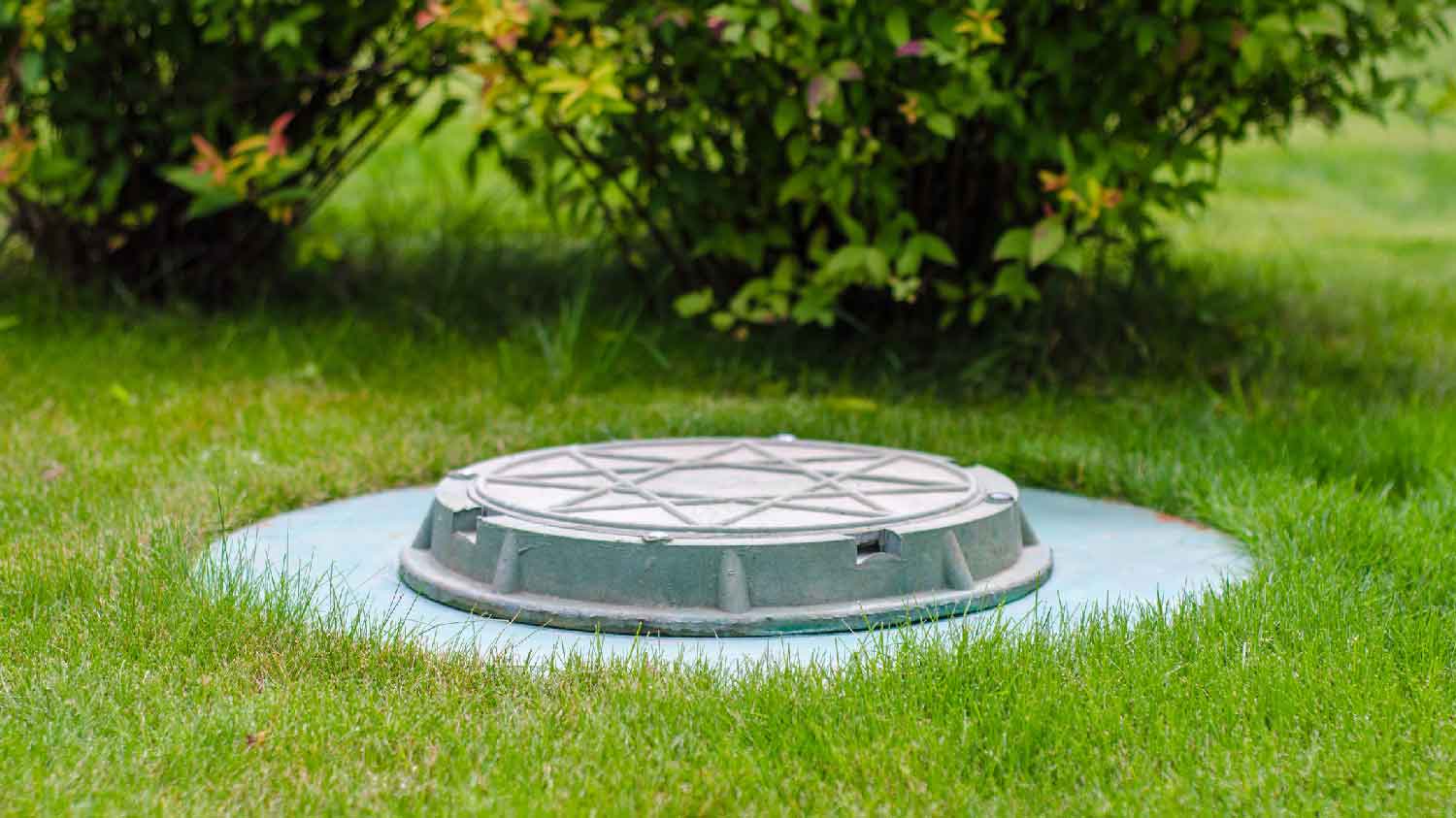
Not all cesspool messes need a total clean-out. Learn how to clean a cesspool so you know whether you can tackle it yourself and when to call in a pro.
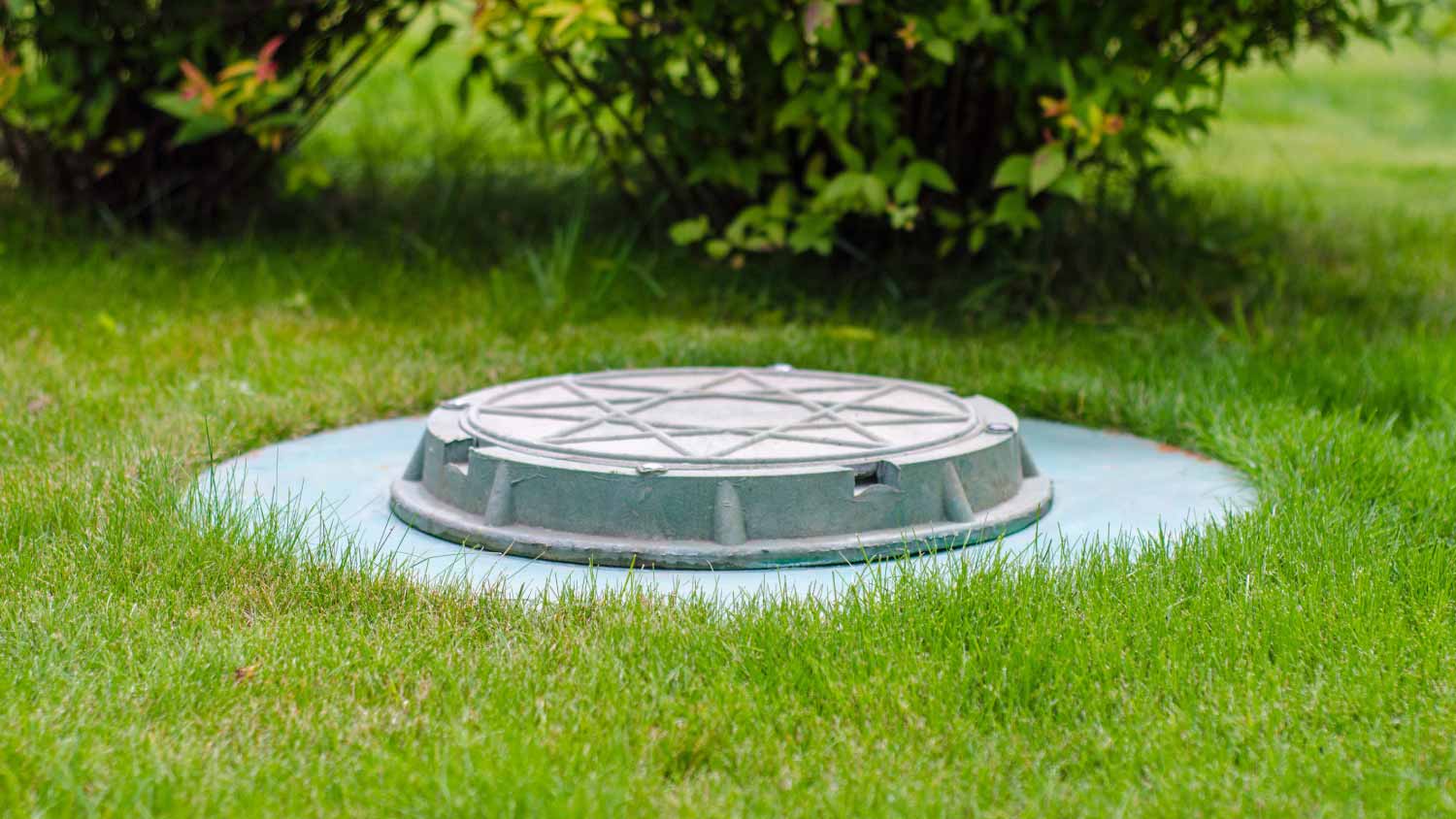
When it comes to cesspools versus septic tanks, cesspools are less expensive but require more maintenance. Septic tanks are more eco-friendly.

You may know what to do when buying a home, but what shouldn't you do? Use this guide to learn what to avoid during the home-buying process.