
The cost of converting a cesspool to a septic system depends on factors like labor, complexity, and materials. Use our guide to estimate your budget.
Get the hard facts on cesspools for waste storage

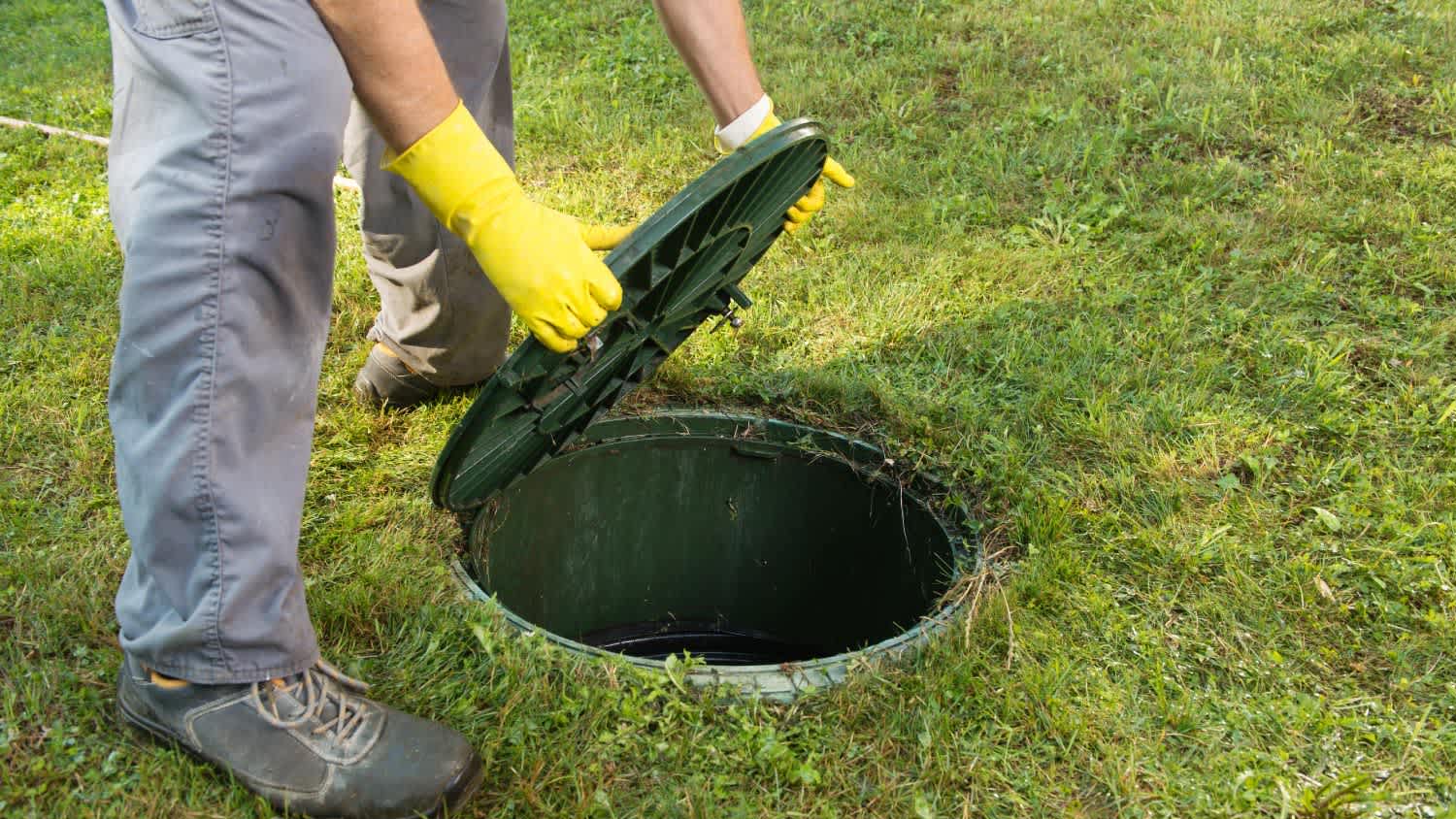
A cesspool is an underground pit with porous walls that stores your sewage and wastewater until it slowly seeps into the surrounding soil.
Cesspool pumping costs $250 to $600, with average costs around $400, and you need this service every three to five years to prevent clogs.
You can extend your cesspool's 40 to 90 year life span by scheduling regular pumping and avoiding harmful chemicals or non-biodegradable items in the system.
Hiring a local septic tank company provides reliable support for cesspool pumping, system inspections, and converting to a safer septic tank when needed.
Cesspools are essential elements of waste management even though they’re far less common these days. But what exactly is a cesspool, and how does it differ from more modern systems?
We’re taking you on a journey underground to explore the depths of these waste storage systems. Learn more about cesspools, how they differ from septic tanks and wells, and their purpose and maintenance.
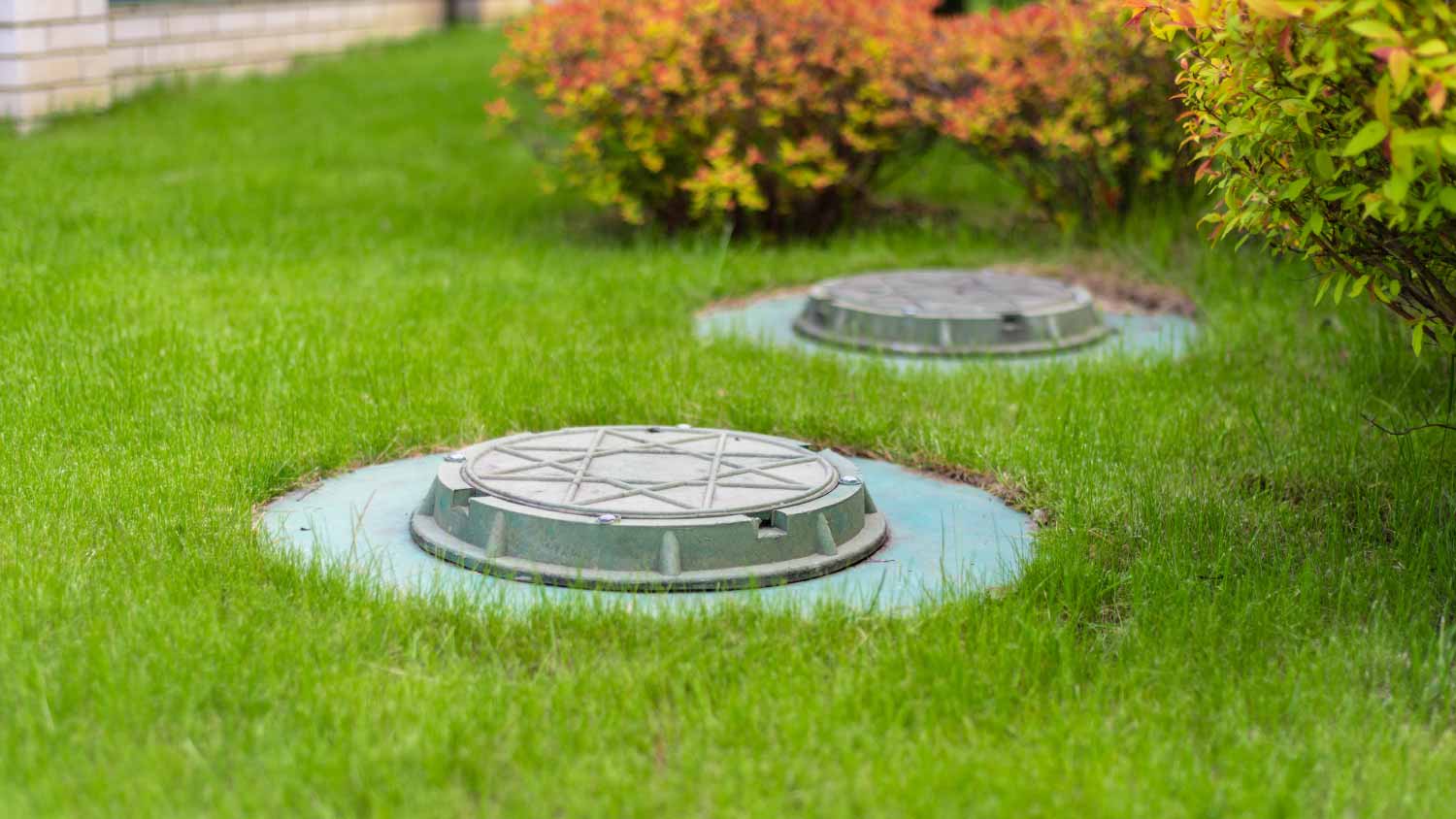
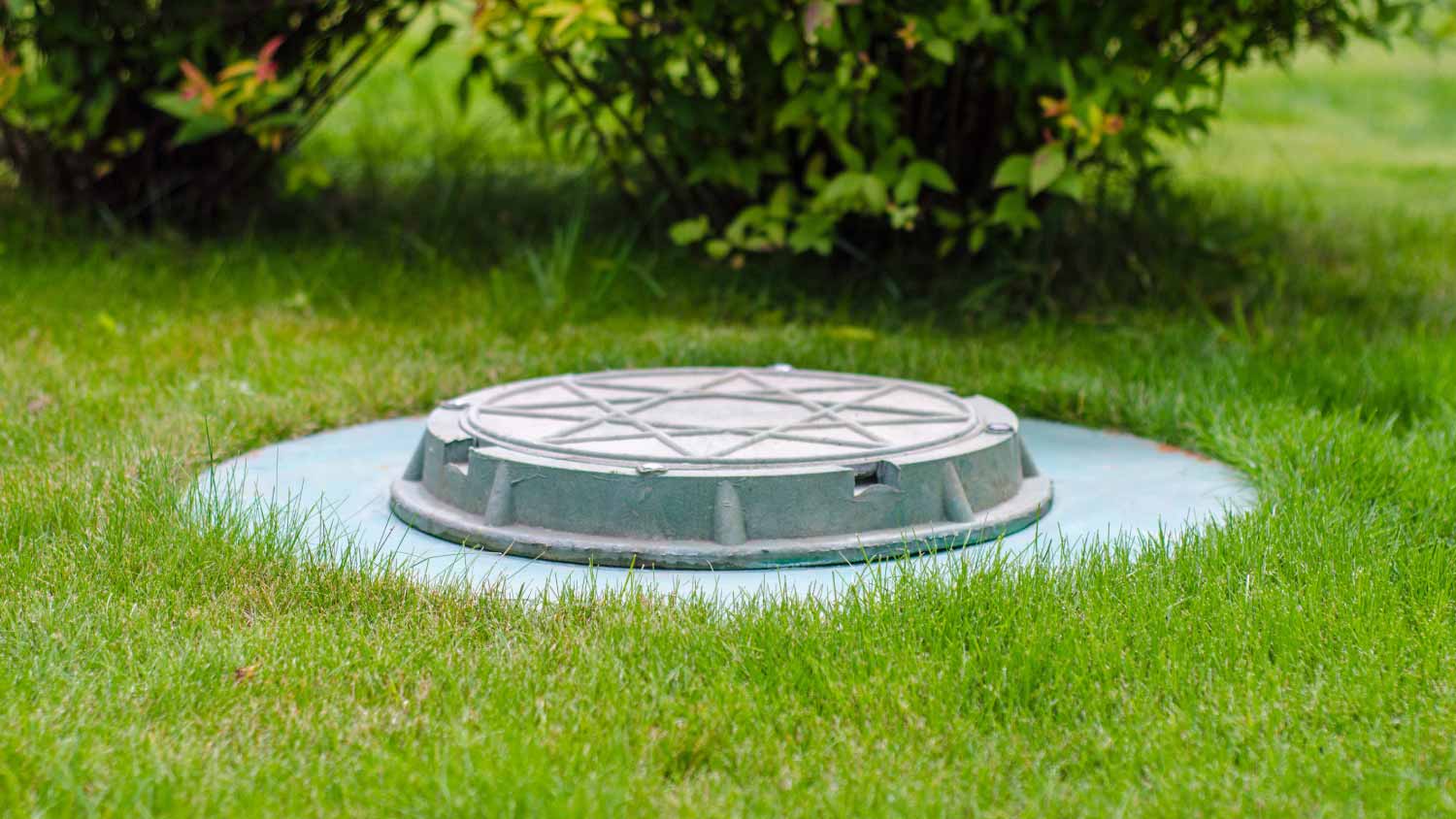
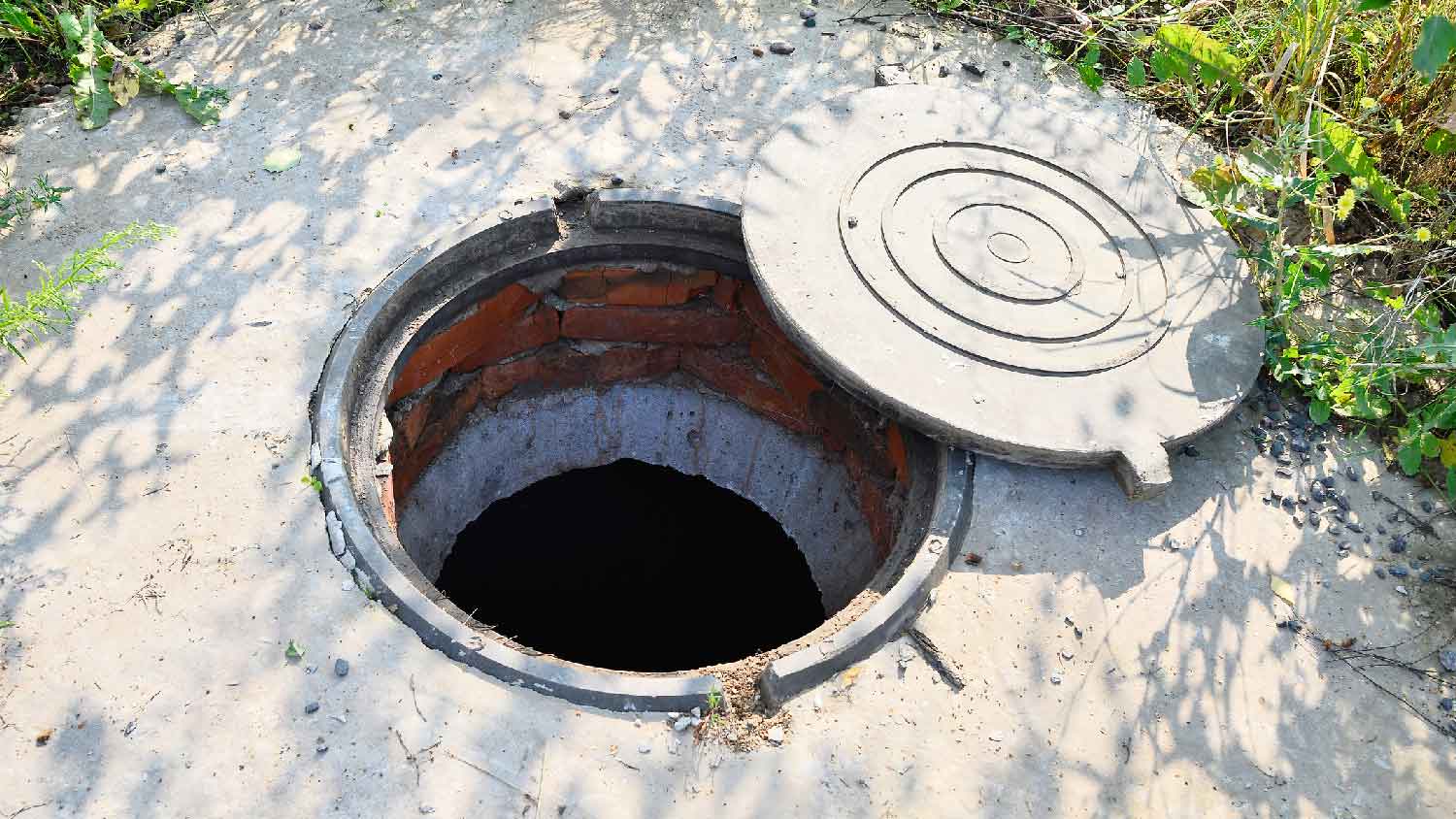
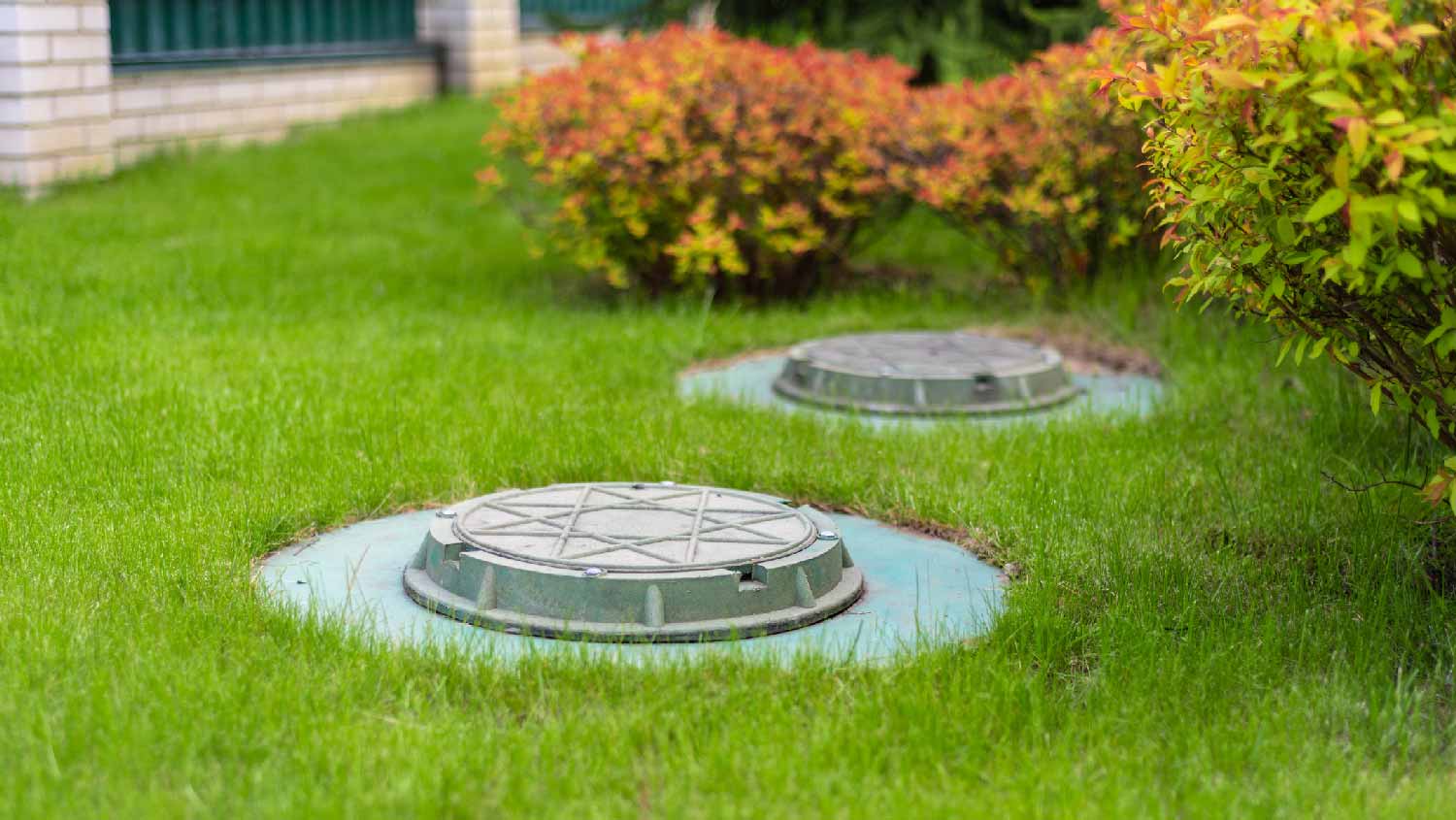
A cesspool or cesspit is an underground pit that temporarily stores sewage or wastewater from a home. These structures are constructed with porous walls to allow the waste to seep into the surrounding soil. Cesspools are often found in rural areas with less dense populations, rather than more populated urban centers.
To maintain a cesspool, regular pumping is necessary to prevent clogging which helps with continuous functioning. In cases where the surrounding soil becomes saturated, and waste starts pooling at the surface, you may need to relocate the cesspool.
The size of your cesspool should be determined by the number of individuals living on your property. For a household with two people, a capacity of approximately 4,800 gallons is best.
As the number of residents in the household increases, the cesspool's capacity should also grow by roughly 1,800 gallons for each additional user—to be on the safe side. For instance, a standard family consisting of two adults and two children should ideally have a cesspool with a capacity of around 8,400 gallons.
Cesspools were commonly used in the past, particularly in areas lacking modern sewage systems. However, they have become less common in recent years due to environmental and health concerns.
Untreated waste from cesspools can contaminate groundwater, spread diseases, and contribute to pollution. As a result, many regions have implemented regulations restricting or banning cesspools and encouraging the use of more advanced and eco-friendly septic systems, making them a less common choice for waste disposal and sewage management today.
Cesspools and septic tanks are both systems for managing wastewater, but they differ in design, function, and environmental impact.
| Cesspools | Septic Tanks |
|---|---|
| Single chamber | Two chambers |
| High maintenance | Low maintenance |
| Greater safety risks | Fewer safety risks |
| Less common | More common |
As mentioned above, a cesspool is a simple, underground pit or container with porous walls that allow liquid waste, such as sewage and gray water, to slowly seep into the surrounding soil. Cesspools store waste temporarily, but they don't treat it. Over time, they may become clogged and require frequent pumping.
A septic tank is safer and more efficient than a cesspool. Learn about the pros to make your decision.
| Cesspools | Septic Tanks |
|---|---|
| Smaller than septic tanks, suitable for tight spaces | Few environmental and health risks |
| Less expensive than septic tanks | Advanced wastewater treatment system |
| Requires little maintenance |
Cesspools have plenty of drawbacks, too. Compare the cons of cesspools and septic tanks.
| Cesspools | Septic Tanks |
|---|---|
| Pose environmental and health risks | More expensive than cesspools |
| Don’t provide wastewater treatment | Require dedicated space |
| Require regular pumping | |
| Only suitable in certain rural areas |
Due to their limited treatment capabilities, cesspools can pose environmental and health risks when they leak or overflow, potentially contaminating groundwater and causing foul odors.
Septic tanks are more advanced wastewater treatment systems with two chambers. In these tanks, bacteria break down solid waste while the liquid waste is separated and discharged into a drain field for further filtration into the soil.
Septic tanks are more efficient in waste treatment and require less maintenance compared to cesspools. They pose fewer environmental and health risks when adequately maintained. As a result, septic tanks are the preferred choice for wastewater management in many areas. If you are thinking of getting a septic tank, you’ll want to find a reliable septic tank installation company near you.

Cesspool pumping is a form of maintenance that helps keep your cesspool functioning. Over time, as liquid waste accumulates in the cesspool, solids settle at the bottom, and the sludge layer thickens. Periodic pumping by professional services removes the accumulated waste and prevents clogs, backups, or overflows.
Consider using Energy Star appliances because they use less water. Less water running through the appliances means less water entering your cesspool, increasing the amount of time spent before you need to empty the system.

Regular pumping:
Prevents system failure
Promotes safe waste disposal
Minimizes potential environmental contamination
The frequency of cesspool pumping depends on factors like size, household usage, and local regulations. Contact a local septic tank company to schedule your pumping.
The cost of cesspool pumping typically falls within a range of $250 to $600, with an average of approximately $400 among homeowners. The overall price of having a company come to pump your cesspool is subject to fluctuation due to many variables, including additional services and the size of the tank.
Dry wells and cesspools are separate components of a wastewater management system, and each has a unique purpose and function. Dry wells manage excess water, like rainwater, but cesspools store sewage and wastewater from your home.
| Cesspool | Dry Well |
|---|---|
| Underground container with porous walls | Hole dug in the ground |
| Stores wastewater and sewage | Handles rainwater, stormwater, and surface runoff |
| Allows wastewater to seep into ground slowly | Allows excess water to seep into surrounding soil slowly |
| Receives wastewater from toilets, sinks, and showers | Contains gravel, rock, brick, or concrete to filter water |
| Located in the backyard near the main sewer stack | Used to prevent water-related issues |
| Requires manual pumping | Installed at the lowest point on a property |
Dry wells temporarily store these liquids and allow them to gradually seep into the surrounding soil, aiding in water drainage and infiltration. It does not treat water but helps manage excess water from surfaces that don’t allow water to pass through.
Cesspools and dry wells work together to manage waste and water on your property. Here are the pros and cons of these important systems.
| Cesspools | Dry Wells |
|---|---|
| Suitable for small, rural properties | More affordable than drainage systems |
| Less expensive than septic tanks | Reduce strain on the sewage system |
| Manage large amounts of water from runoff and storms | |
| Easy to install |
Consider the cons of cesspools and wells when making your decision.
| Cesspools | Dry Wells |
|---|---|
| Don’t provide wastewater treatment | Require maintenance to prevent sediment buildup |
| Pose environmental and health risks | Can encounter issues in high-clay-content soil |
| Require regular pumping | |
| Only suitable in certain rural areas |
I recently moved to another state and chose United Trust Van Lines after comparing several companies. Their team was punctual, professional, and extremely careful with my belongings. I was especially impressed with how they handled my home office setup and fragile items. Everything arrived on...
 United Trust Van Lines, LLC
Positive experience. As previously stated, the replacement/repair could not be completed (no fault of the plumbing tech) b/c misinformation was rec?d by property management maintenance. Thanks to the plumbing tech for your efforts. Appreciate you!
 The Waterworks
As usual with ECO, tech Jordan was outstanding, very professional, very knowledgeable, and very thorough with repairs made to tankless water heaters. Very highly recommend ECO!!!
 Eco Plumbers, Electricians, and HVAC Technicians
I would recommend this company to anyone! He showed up on time, was friendly, completed a very difficult repair on our dryer vent cover, was responsive, and pricing was extremely fair and competitive. I would have him back to do any of our repairs or cleanings without hesitation!
 U.S.A. Dryer Vent, LLC
Best cleaning I've had at my property
I'm a repeat customer of All Star Paving & Sealing and I appreciate the service that all start paving has done for me in the past. I just recently had them out for an estimate and things couldn't have gone better. The staff that they send out to do the estimates are very knowledgeable. The...
 All Star Paving and Sealing
Supreme Brick & Chimney is one of the best service providers I’ve interacted with. Extremely efficient, knowledgeable, and thorough. They took the time to walk me through their detailed full-service inspection and were extremely professional. Not to mention their turnaround time was...
 Supreme brick & chimney
They were great! They were thorough and efficient and paid attention to the details. Definitely recommend. I'm definitely going back!
 FIFI'S EARTH FRIENDLY CLEANING
Storms Mobile Welding was great to work with. They were prompt, professional and did an overall excellent job on the project. I highly recommend.
Great experience all together. Dog friendly, courteous, great results and honest with recommendations. Will certainly be using Cardinal in the future for any carpet repairs
 Cardinal Carpet Care & Repair
From average costs to expert advice, get all the answers you need to get your job done.
The cost of converting a cesspool to a septic system depends on factors like labor, complexity, and materials. Use our guide to estimate your budget.

Are cesspools legal? Can you build a new one or operate an existing one within the limits of the law? Get the facts in this comprehensive homeowner’s guide.
What are the differences between cesspool aeration vs. pumping, and when might you need one over the other? Learn more in this comprehensive guide.
When it comes to cesspools versus septic tanks, cesspools are less expensive but require more maintenance. Septic tanks are more eco-friendly.
Learn about the key differences between cesspits vs. cesspools including design, materials, hazards, and more to better understand your sewage system needs.
Know the signs of cesspool problems so you can avoid costly repairs, prevent contamination, and be ready to take action if you suspect an issue.