
The cost of converting a cesspool to a septic system depends on factors like labor, complexity, and materials. Use our guide to estimate your budget.
Get your cesspool flowing with a deep clean

Proper cesspool maintenance includes pumping every 2 to 4 years to prevent clogs, overflows, and drainage issues that affect your home's wastewater system.
Cesspool cleaning methods include pumping for full emptying, aeration to break up solids, and hydro-jetting to clear blockages using high-pressure water.
You can reduce clogs between cleanings by limiting toilet paper use, avoiding grease and food scraps in drains, and keeping household chemicals out.
Hiring a local septic tank cleaning professional provides safe pumping and hydro-jetting services, protecting you from sewage exposure and ensuring thorough system care.
Your cesspool holds all the wastewater from your home, so keeping it clean is key to comfortable living. Most cesspools need to be cleaned every 2–4 years, but sometimes a clogged or full cesspool can take you by surprise a bit earlier. Dive deep into cesspool cleaning tips and learn the signs that tell you it’s ready for its next clean.
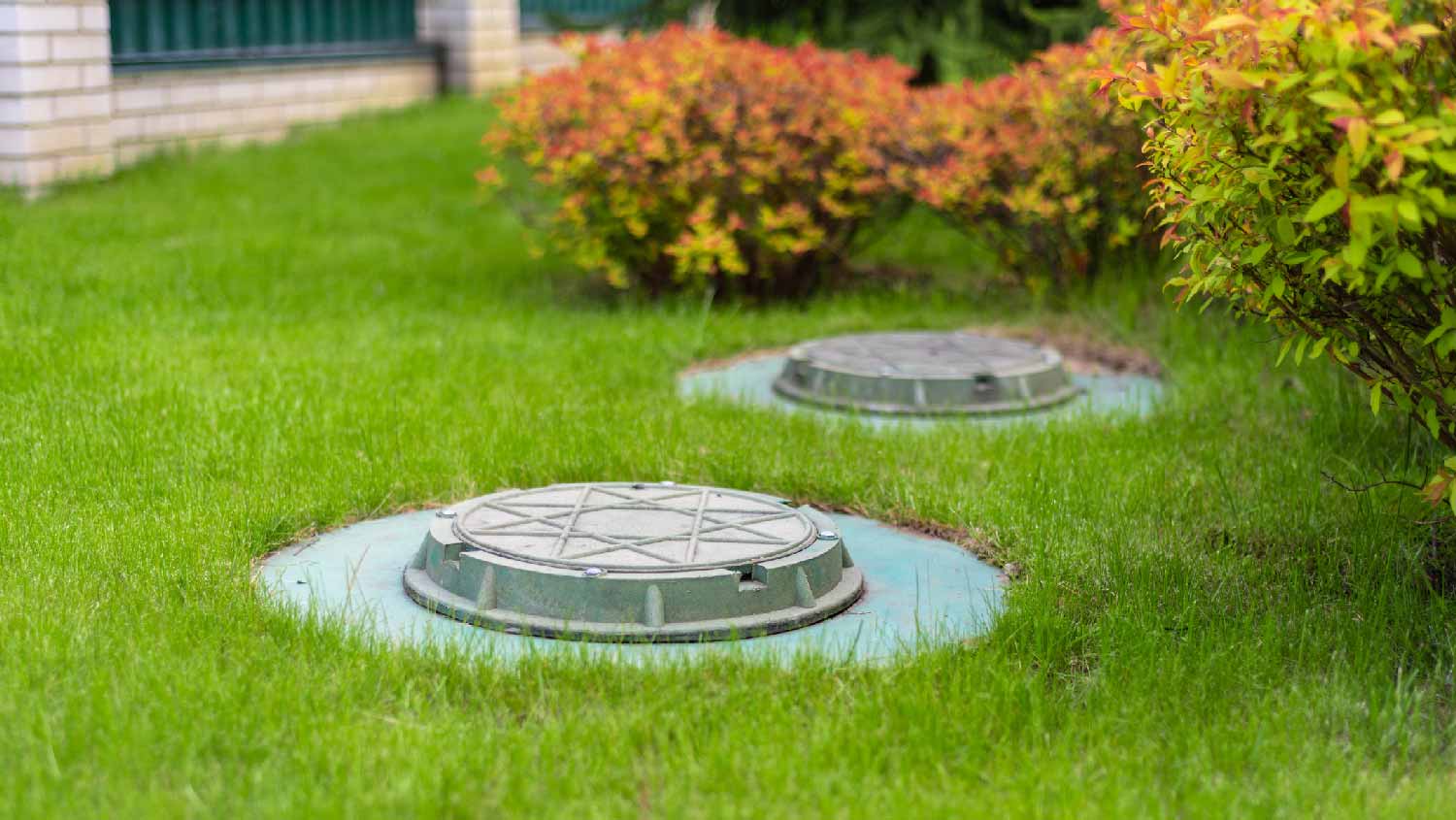
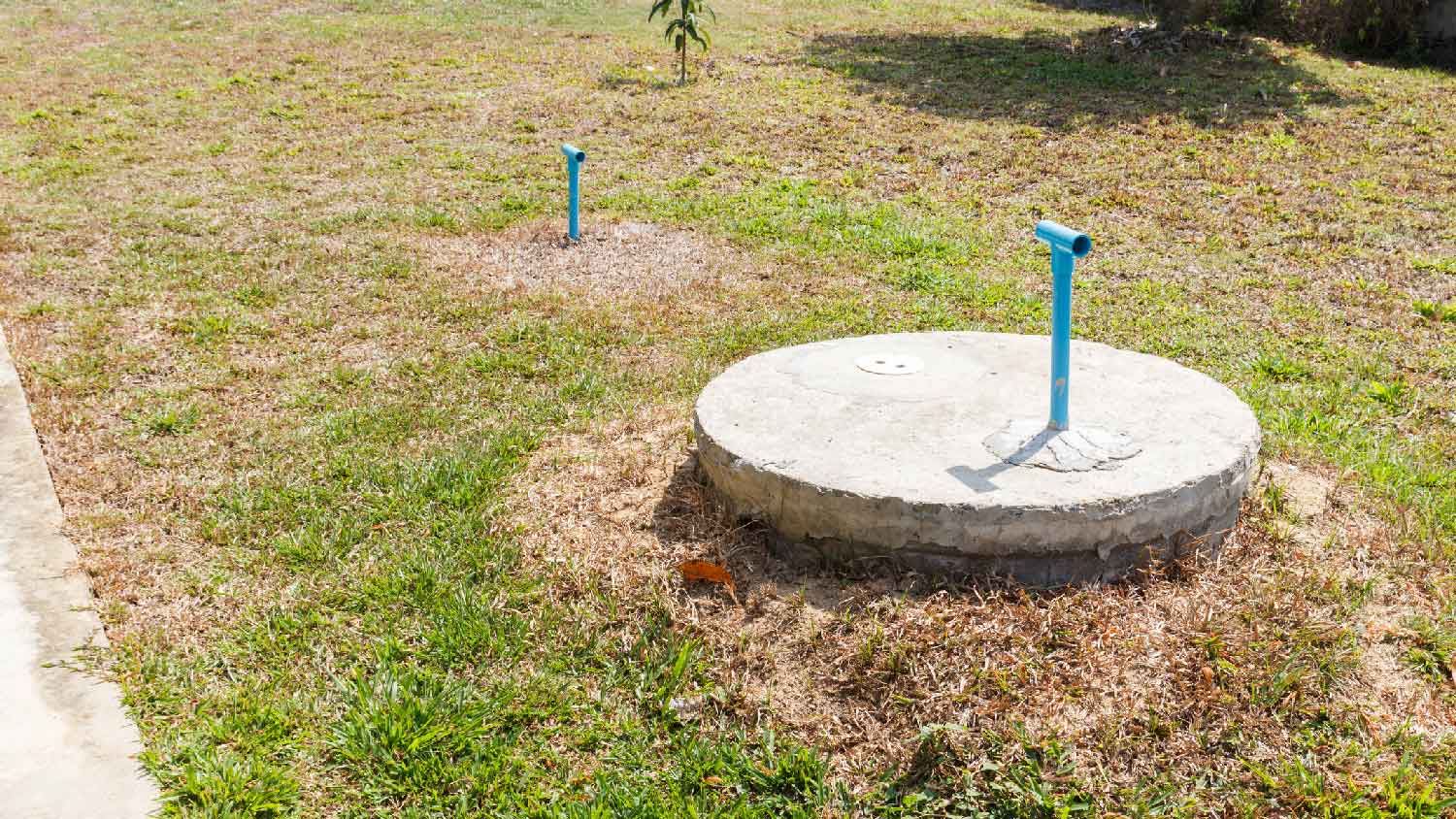
A cesspool is a large underground tank that holds wastewater and allows it to drain gradually into the surrounding soil through small holes in the base and sides of the tank. Inside the tank, anaerobic bacteria digest the wastewater and help it to break down for easier outflow.
Unlike septic tanks which filter waste through an outer pipe, cesspools don’t have any compartments or filtering systems. This means that they tend to fill up more quickly than modern septic tanks and have a higher risk of clogs.
They also pose a greater risk to the environment, which is why they’re no longer built for new homes and are even illegal in some areas. If you’re buying a house with a cesspool, you may want to factor in the cost of eventually converting the cesspool to a septic tank.
Most cesspools need to be pumped out every 2 to 4 years, or every 3 to 5 years for infrequently-used cesspools at vacation homes and cottages. However, there are a few signs of cesspool problems that may alert you that it needs some attention before those years are up.
If you’ve noticed that your drains are a little sluggish or completely blocked, it can indicate a clog or a full cesspool. Toilets that are slow to flush, water pooling around the shower drain, and sinks that don’t drain are all signs that your cesspool might need to be emptied and cleaned.
Clogged cesspools can often leave a smell like sewage or rotten eggs. These smells are usually strongest around plumbing and drains, but you might also notice a smell outside near the opening of your cesspool.
Puddles near your cesspool can mean it’s on the verge of overflowing. These can start out as damp patches, which may attract insects or cause a bloom in plant life. If you’ve noticed a sudden growth of grass or weeds in the area around your cesspool, take a closer look to see if there’s more obvious moisture nearby.
There are three basic methods for cleaning a cesspool: pumping, aeration, and hydro-jetting. We’ll take a quick look at the steps for each.

Cesspool pumping is the most common cesspool cleaning method and involves fully emptying the tank of solids, liquids, and sludge (partially dissolved solids). This is typically done every 2–4 years as part of standard cesspool maintenance.
To pump your cesspool:
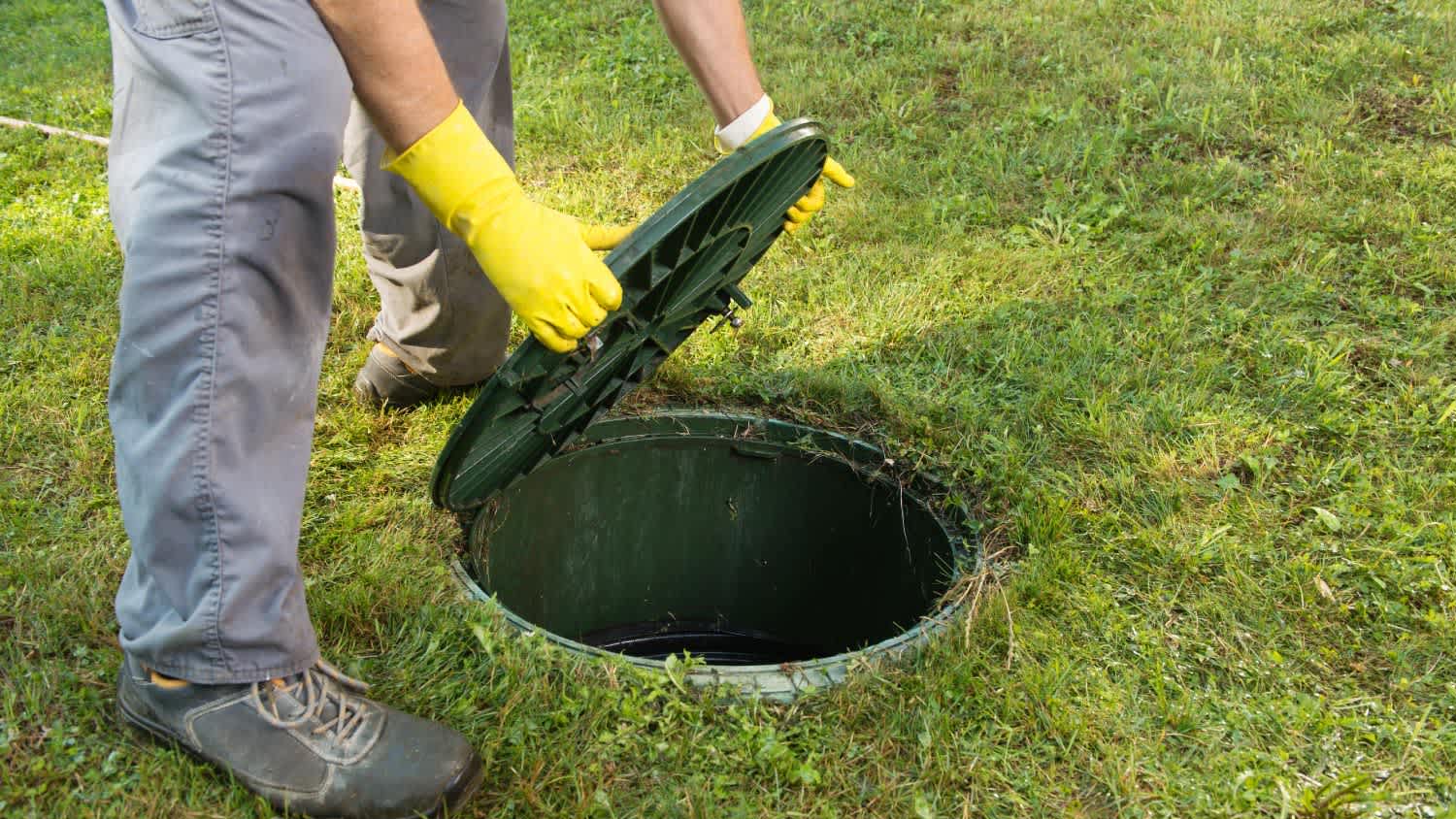
Uncover the cesspool: Cesspools have an opening at the top, which is typically covered by a layer of ground. Before the cesspool can be pumped, you’ll need to remove the soil to access the manhole cover.
Pump the cesspool: You’ll typically need professionals to do this (in many states, it’s illegal to do it without a license). A septic company will bring in a large truck, pump out the tank, and remove all the waste.
Cover the ground: Replace the cesspool cover and any soil that previously covered the area.
Unlike pumping, aeration is a process you can usually do yourself. You’ll need an aerator machine and sulfuric acid as well as basic safety gear like goggles and gloves.
To aerate your cesspool:
Uncover the cesspool: Cesspools have an opening at the top, which is typically covered by a layer of ground. Remove the soil to access the manhole cover.
Attach the aerator: An aerator is a machine that uses pressurized air to break up the solids inside your cesspool. Following the instructions on the machine, attach the aerator to the cesspool opening and turn it on.
Add the sulfuric acid: This helps dissolve the solids inside the cesspool so it can drain properly. The amount of acid will depend on the size of your cesspool. Only add a small bit of acid as too much can damage your septic system.
Cover the ground: Replace the cesspool cover and any soil that previously covered the area.
Aeration is a good way to tackle an issue like a clogged cesspool, but it shouldn’t be the default for cleaning. Overuse of sulfuric acid can harm the bacteria that make your cesspool work, so it’s still best to stick to pumping for regular maintenance. Only aerate when you need to fix an unexpected issue.
Hydro-jetting is a good alternative to pumping, but it’s tough to manage yourself. This is mainly because it requires heavy-duty hydro-jetting equipment that’s hard to use and even harder to purchase for non-commercial use.
To hydro-jet your cesspool:
Uncover the cesspool: Cesspools have an opening at the top, which is typically covered by a layer of ground. Remove the soil to access the manhole cover.
Jet the cesspool: The septic cleaning company will attach the hydro-jet equipment to the cesspool opening and use high-pressure water to break apart solids inside the tank. The water and broken solids then flow out through the cesspool holes.
Cover the ground: Replace the cesspool cover and any soil that previously covered the area.
By design, cesspools require more maintenance than modern septic tanks. However, taking good care of your cesspool can help you avoid serious problems and reduce the frequency of pumping.

There’s no delicate way to put this—too much TP can clog the cesspool. When wastewater flows into the cesspool, solids sink to the bottom and liquids flow out through the holes in the side. If solid levels rise too quickly (before the bacteria can process everything), it can clog the outflow holes.
There’s no reason to stress about normal toilet paper use, but it’s a good idea to try and avoid flushing tissue or wet wipes down the toilet that might contribute to a high solid waste level.
Some other culprits for cesspool clogs include kitchen grease and food scraps. Grease and plumbing don’t mix in general, but grease can be especially risky for the drainage holes in your cesspool.
Avoid pouring any grease down the drain, and try to catch food scraps with the sink guard rather than letting them flow into your plumbing system.
While clogs are one of the most common cesspool issues, your sewage system is also vulnerable to contamination. Any hazardous waste that makes its way into the cesspool can pose a serious health hazard, as it all drains into the surrounding environment. Avoid letting any chemicals or non-natural waste find their way into your cesspool.
There are parts of cesspool cleaning that are relatively easy to do yourself. Uncovering the cesspool and recovering the ground area around the opening doesn’t require any specialized tools and can save you money on labor. You can also aerate yourself, but it’s best not to rely on this for regular maintenance.
When it comes to pumping the cesspool or using a hydro-jet, it’s best to leave it to the pros. Both methods require specialized equipment that typically requires a license to operate. Since a well-maintained cesspool only needs to be pumped out every 2 to 4 years, it’s worth it to bring in a local septic tank cleaning company near you to keep your system flowing smoothly.
I recently moved to another state and chose United Trust Van Lines after comparing several companies. Their team was punctual, professional, and extremely careful with my belongings. I was especially impressed with how they handled my home office setup and fragile items. Everything arrived on...
 United Trust Van Lines, LLC
Positive experience. As previously stated, the replacement/repair could not be completed (no fault of the plumbing tech) b/c misinformation was rec?d by property management maintenance. Thanks to the plumbing tech for your efforts. Appreciate you!
 The Waterworks
As usual with ECO, tech Jordan was outstanding, very professional, very knowledgeable, and very thorough with repairs made to tankless water heaters. Very highly recommend ECO!!!
 Eco Plumbers, Electricians, and HVAC Technicians
I would recommend this company to anyone! He showed up on time, was friendly, completed a very difficult repair on our dryer vent cover, was responsive, and pricing was extremely fair and competitive. I would have him back to do any of our repairs or cleanings without hesitation!
 U.S.A. Dryer Vent, LLC
Best cleaning I've had at my property
I'm a repeat customer of All Star Paving & Sealing and I appreciate the service that all start paving has done for me in the past. I just recently had them out for an estimate and things couldn't have gone better. The staff that they send out to do the estimates are very knowledgeable. The...
 All Star Paving and Sealing
Supreme Brick & Chimney is one of the best service providers I’ve interacted with. Extremely efficient, knowledgeable, and thorough. They took the time to walk me through their detailed full-service inspection and were extremely professional. Not to mention their turnaround time was...
 Supreme brick & chimney
They were great! They were thorough and efficient and paid attention to the details. Definitely recommend. I'm definitely going back!
 FIFI'S EARTH FRIENDLY CLEANING
Storms Mobile Welding was great to work with. They were prompt, professional and did an overall excellent job on the project. I highly recommend.
Great experience all together. Dog friendly, courteous, great results and honest with recommendations. Will certainly be using Cardinal in the future for any carpet repairs
 Cardinal Carpet Care & Repair
From average costs to expert advice, get all the answers you need to get your job done.
The cost of converting a cesspool to a septic system depends on factors like labor, complexity, and materials. Use our guide to estimate your budget.
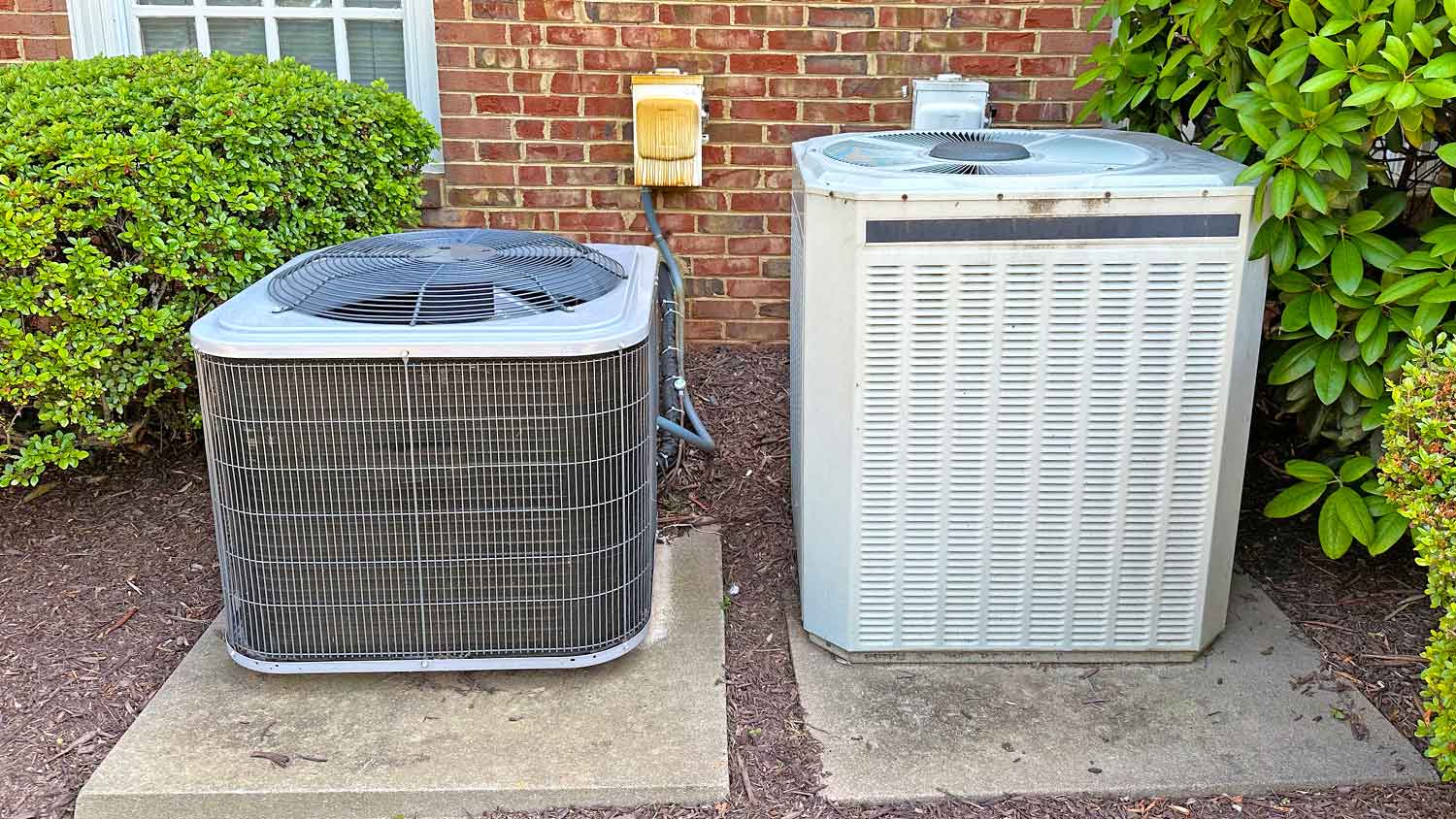
When determining your AC coil cleaning cost, you’ll need to factor in the type, cleaning method, and more. Our cost guide will show you what to expect.
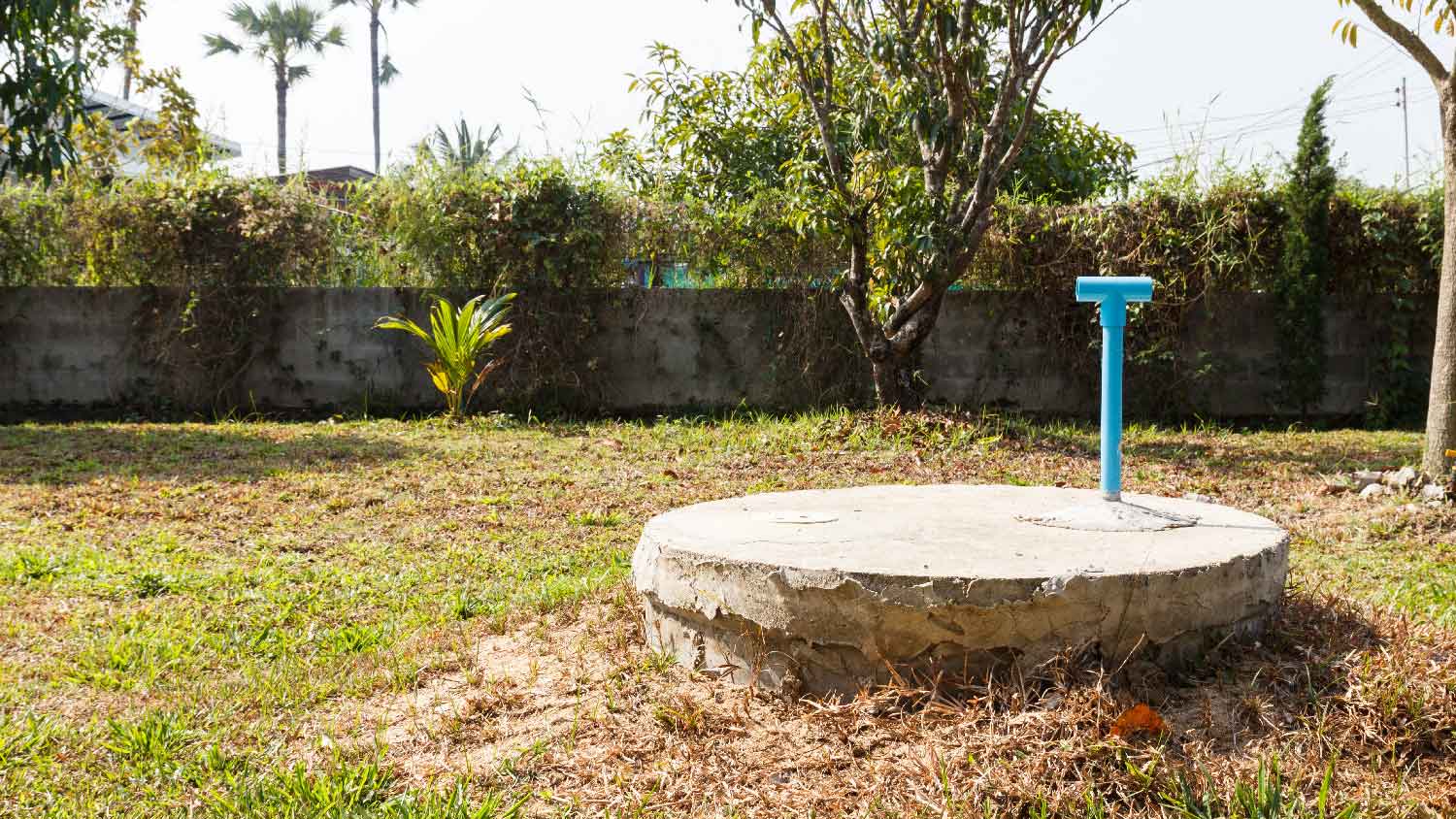
Follow this guide to learn how to get rid of a cesspool to save some money and transform your home into a more eco-friendly space.
Know the signs of cesspool problems so you can avoid costly repairs, prevent contamination, and be ready to take action if you suspect an issue.
If you’re unsure how to fill in a cesspool, we’re here to teach you the ropes, explain the tools, and help you hire a pro if needed.

Stay ahead of potential cesspool issues. Follow these crucial cesspool maintenance tips to keep your wastewater system running in top condition.