
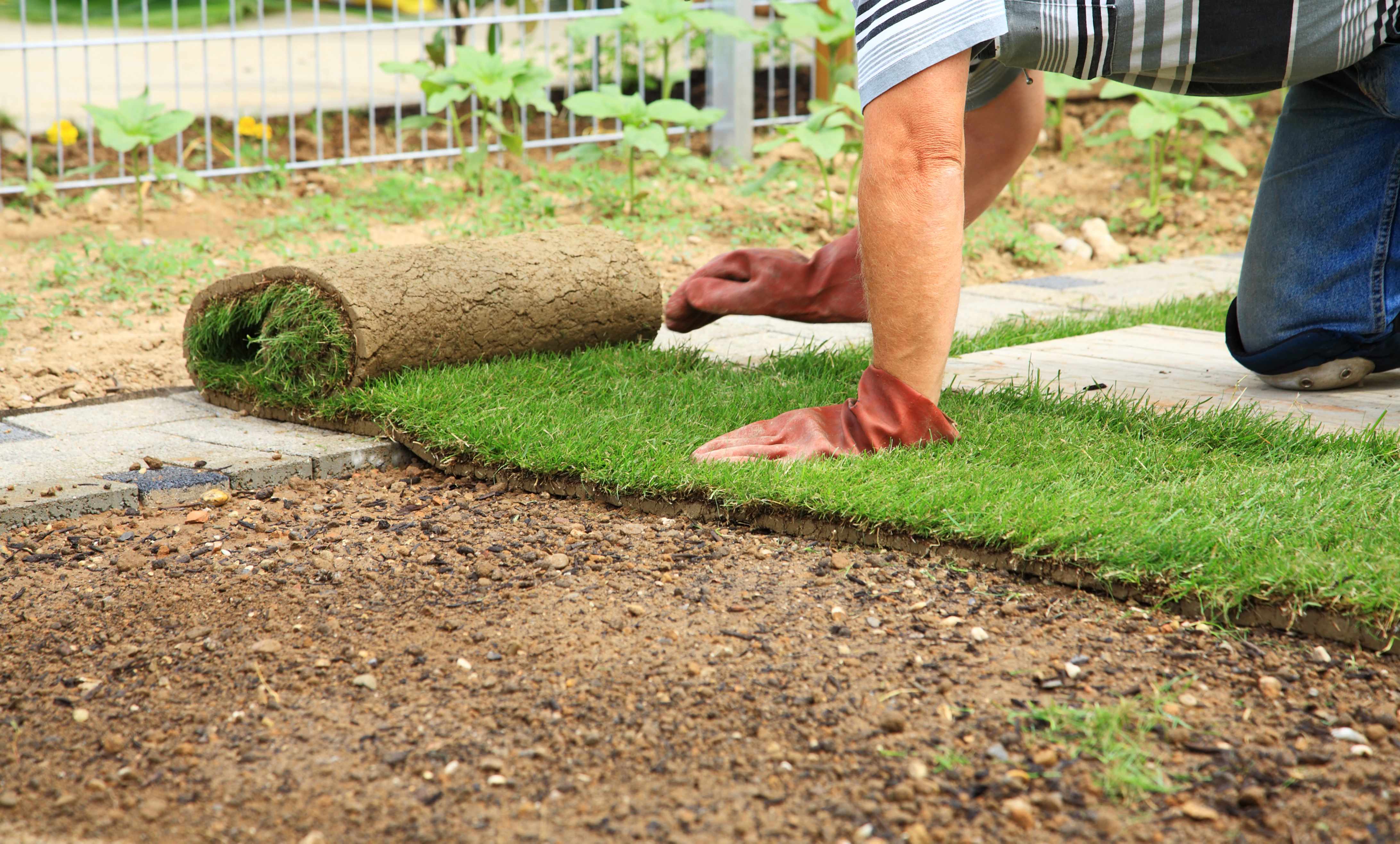
These practical tips for laying sod will help you achieve a thriving, verdant lawn rather than one that is weed-filled, yellowing, and a waste of money.
Discover the best season to lay sod

The best time to lay sod is during fall or spring when cooler weather and natural rainfall support your new grass growth.
Professional sod installation costs $1,070 to $3,000, and quotes help you plan your budget before starting your lawn project.
You should consider your grass type when scheduling installation, as cool-season grasses thrive in fall while warm-season varieties grow best in spring.
Hiring a local sod service professional takes the guesswork out of timing and grass selection, helping your lawn establish strong roots quickly.
Sure, you can lay sod any time of the year. But, is there a best time to lay sod? Choosing the ideal time to lay sod can help make the installation process easier and provide optimal results. Let’s review the best (and worst) time to lay sod, and the cost involved in hiring a sod service.
It’s possible to lay sod successfully any time of the year with the right methods. However, fall and spring are often the best times. Fall brings much cooler temperatures and rainfall which can help your grass grow. Spring is a close runner-up with its mild temperatures and plentiful rain that keeps the soil moist and favorable for growth.
The best time to lay sod will depend on where you live and what type of grass you’re growing. Cool-season grasses grow best when planted during early fall or early spring. You should lay sod made of warm-season grasses during mid-late spring for optimal results.

There are several factors to consider when choosing the best time to lay sod, including weather, grass type, and rainfall. Let’s take a closer look at each one.
One of the most important factors to consider when determining the best time to lay sod is weather. If the temperature is too hot or too cold, it can negatively affect the sod’s ability to take root. The spring and fall months often have ideal temperatures and the precipitation needed to create the most favorable conditions for sod growth.
Different species of grass grow best at different times of the year. Cool-season grasses like Kentucky bluegrass and tall fescue usually grow best in the fall. On the other hand, warm-season grasses such as Zoysia and Bermuda grass grow best in the springtime. It’s vital to choose the right type of grass for your climate and soil type. Consult a local sod service about the best type of grass to install in your yard.
You should be mindful of how rain can impact the best time to lay sod. Not enough rainfall can make your sod dry out while too much moisture can cause it to rot. Choose a time of year with moderate amounts of rainfall, but wait for a dry day to lay the sod.
The worst time to lay sod is during the winter and summer when weather conditions are more extreme. In the summer heat, newly laid sod can die within a few hours if the soil isn’t kept wet. During the winter, cold weather can dry out the roots. If you decide to lay sod during these times, it’s important to take extra measures to keep your lawn moist and fertile. Be sure to hire a professional sod installation service if you need to lay sod during these off-season months.
The cost to lay sod will vary based on several factors, such as the type of sod, location, yard size, labor, and materials. On average, you can expect to pay between $1,070 and $3,000. For example, a 1,000-square-foot lawn will cost around $1,500, whereas a 2,000-square-foot lawn will cost around $3,000.
Additionally, you’ll spend anywhere from $0.35 to $0.85 per square foot on materials and $1 to $2 per square foot on installation. Get price quotes from at least three different sod installation services in your area to find the best price for your project.
The cost to lay sod on your own depends on the size of your yard, the type of grass, and any equipment you may need. You can expect to pay about $2,000 and spend 40 hours of your time on this DIY job. This can be a time-consuming and laborious project, but the results can be worth it.
However, for around the same price, you can hire a local sod company to do the hard work for you. A sod installation pro knows the best time to lay sod for your specific climate and grass type. With their expertise, you can sit back and relax knowing you’ll have a gorgeous lawn once the job is done.
D1 Roofing delivers outstanding service from beginning to end, backed by a strong warranty and expert teams. I highly recommend them for their excellence in meeting and surpassing expectations with unmatched communication. Choosing D1 Roofing was flawless decision
 Division 1 Roofing LLC
We had our houses windows and back door replace this summer by Window Depot USA of Central. He gave us grate advise and saved my family lots money. The team did a fantastic job with installation. If you need help, they sure get job done right!
 Window Depot USA of Central Ohio
Wonderful. I am going to have them remove and replace my driveway in the spring.
 All Star Paving and Sealing
We were having 2”x 2” tile installed . There was a small installation error and the new additional replacement tile was from a different lot and the colors didn’t match. Joe assured us that he would rectify everything , which he did without hesitation. We decided to go with the 18” x 36” tile...
 CarifaTile
We had a 20+ year old landscape lighting system that needed replacement. Midwest Lightscapes worked with us to design a much improved lighting system, lighting the exterior of the house and the back yard. Installation of the 45 light system took one and one-half days, and went very smoothly....
 Midwest Lightscapes
Did an amazing job transforming my yard. Also installed sod in places, would recommend to everyone.
 Cardinal Landscaping & Construction LLC
They show up and they did take us on as a client which seems to be a problem with other lawn care providers. We have multiple properties and this one was located close to downtown and no one really wants to mess with it.
The worker came out when he was supposed to come. He informed me he would honor the Angie's List deal, but would not do any more work for me since my son in law owns lawn care company as well, even though they do not do the same type of work. He said he did not feel comfortable giving me...
 Bello Giardino LLC
E & L Lawn Care was super. They were very responsive before and after service. They were efficient and were able to complete the job within 1 day. I have had concern about one section of sod - the owner was pro-active and did a visit to evaluate. I have no doubt they will stand behind...
 E&L lawn care
From average costs to expert advice, get all the answers you need to get your job done.
These practical tips for laying sod will help you achieve a thriving, verdant lawn rather than one that is weed-filled, yellowing, and a waste of money.

Want a healthy, green lawn fast? Learn how to lay sod in just one day so that its grass grows into a robust lawn you’ll enjoy for many seasons to come.
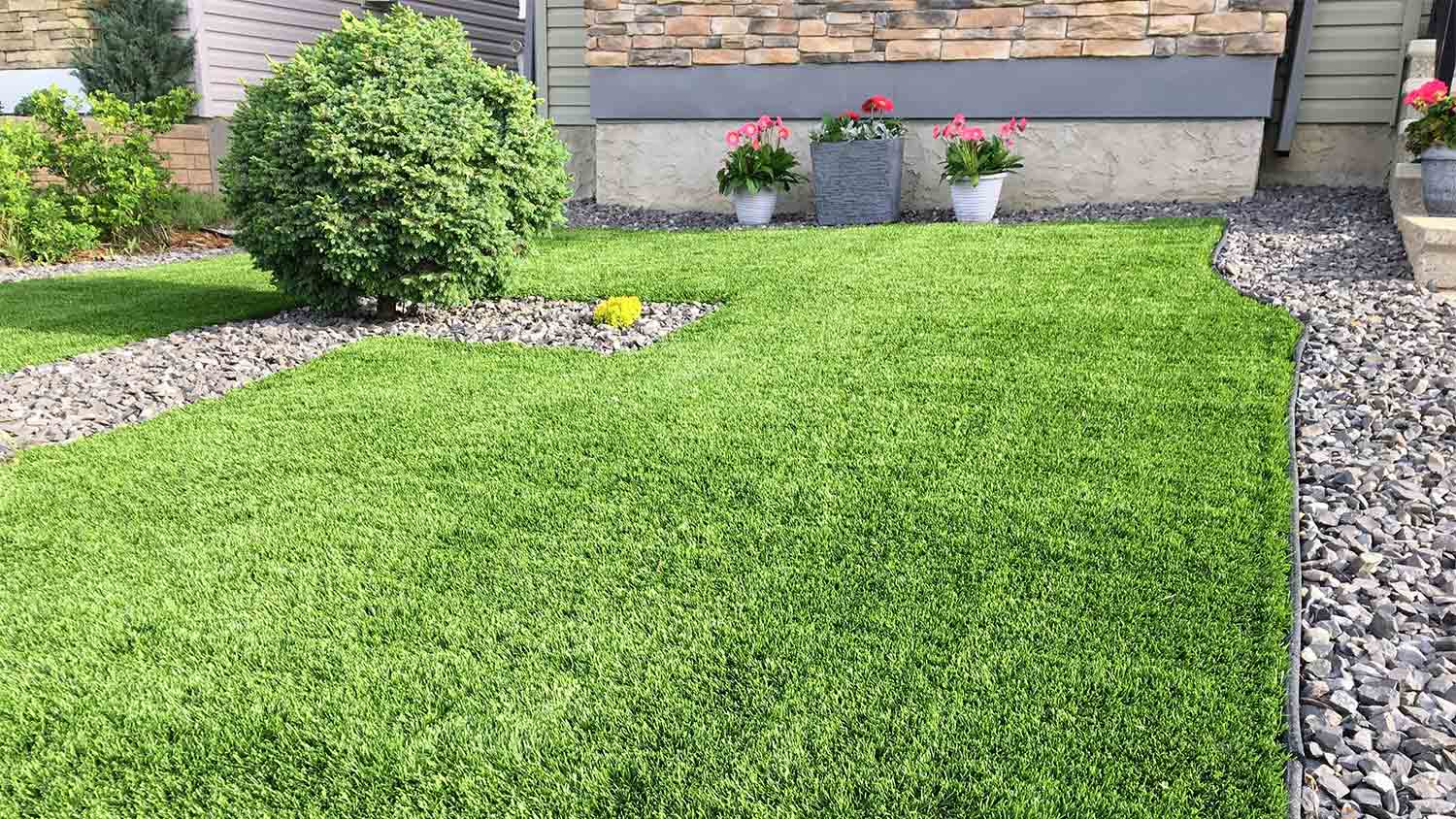
Learn tips and tricks for installing sod and discover what to do instead of laying sod over your existing grass to repair bare spots or replace your lawn.
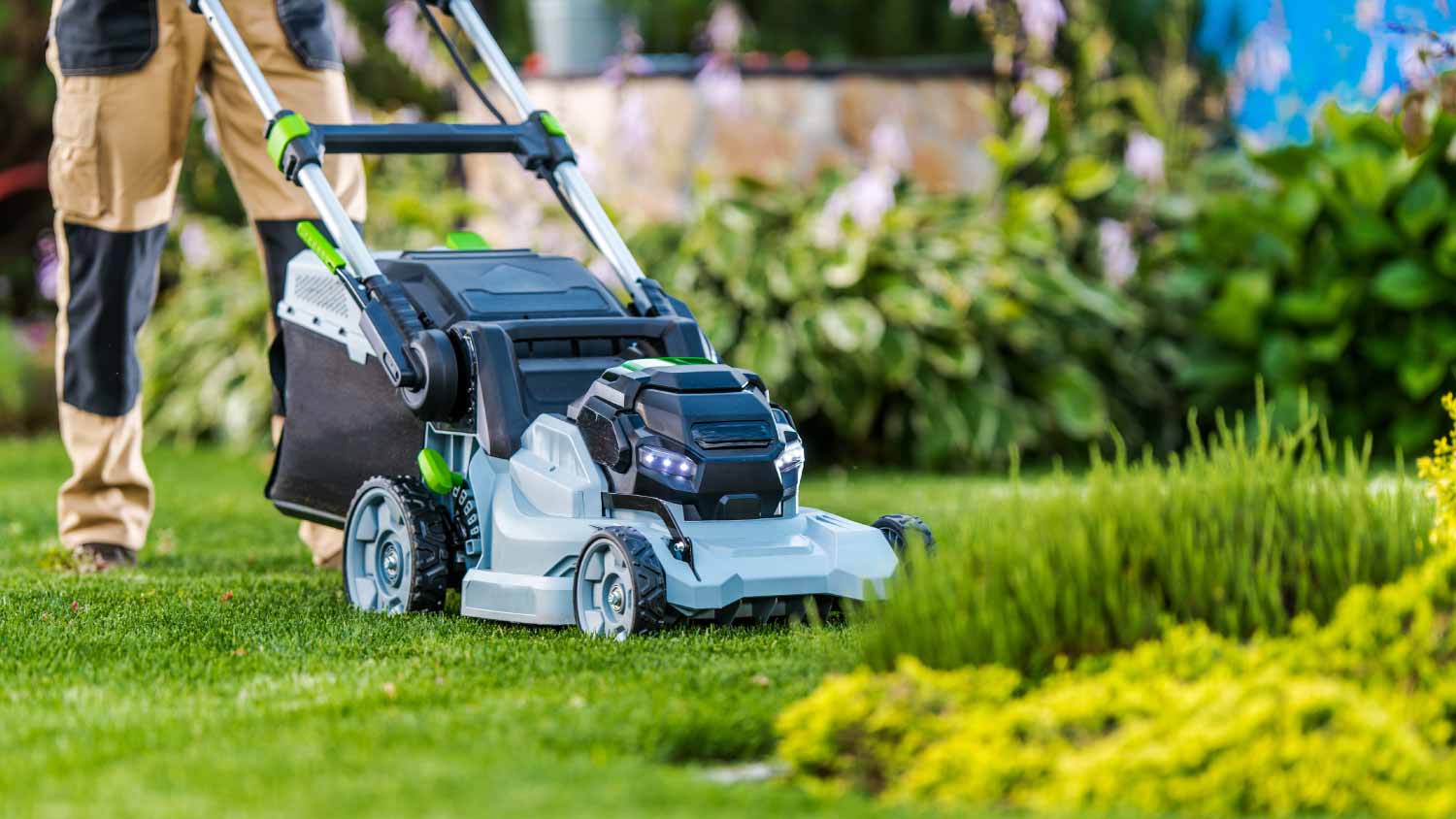
Knowing when to mow new sod is an essential guideline for grass health. Use this guide to know when it's time to mow to promote healthy new lawn growth.
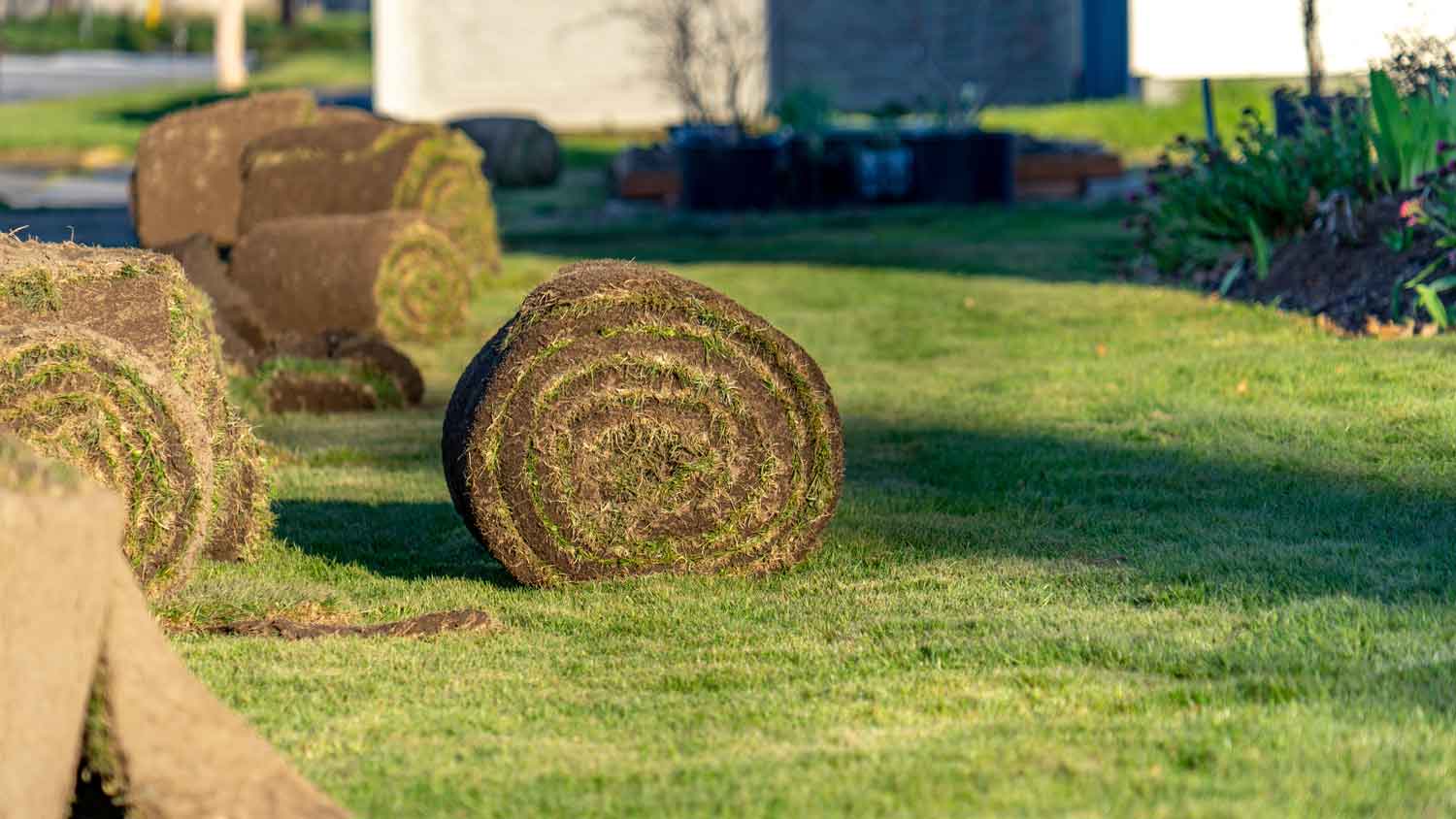
Sod offers you a quick way to turn your yard into a green oasis. Keep reading to learn what sod is and how to use it for your lawn.
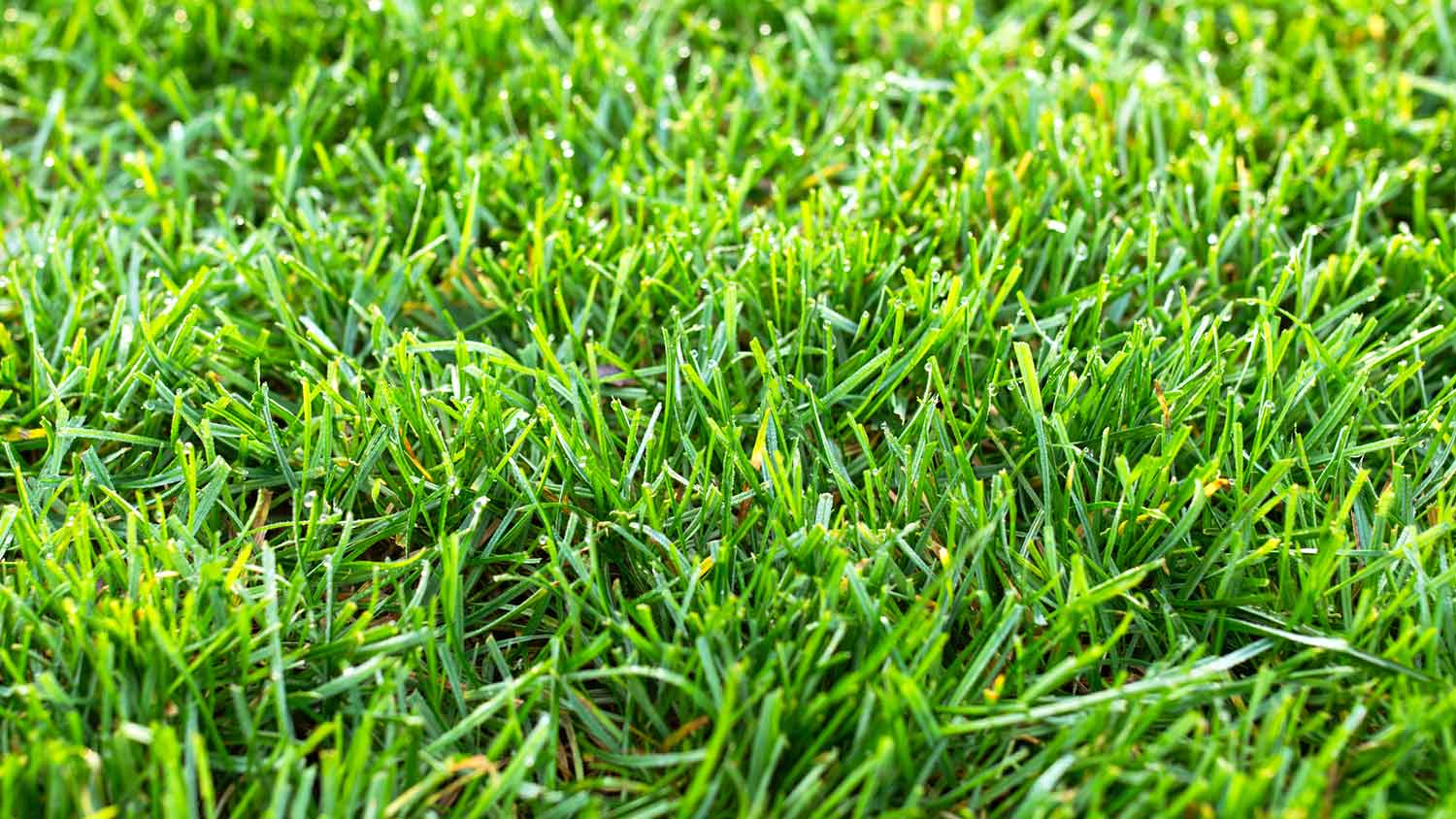
Dreaming of a lush lawn but don’t want to wait for seed to grow? Use these sod questions to prep yourself for an easy and stress-free installation.