
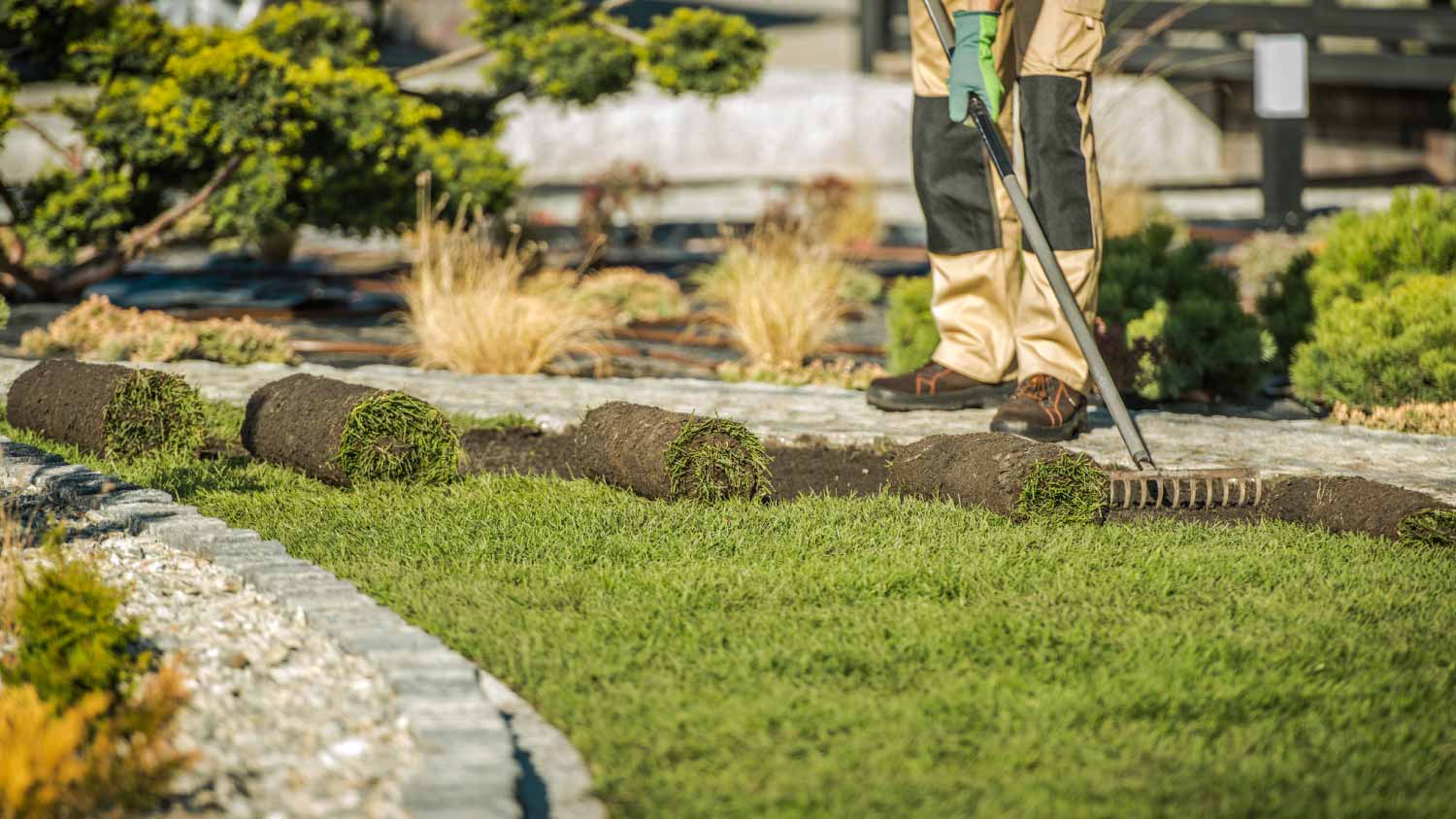
What are average sod installation prices? Learn how much sod costs based on factors like square footage, land prep, land condition, and more.
It’s your shortcut to a lush, green lawn

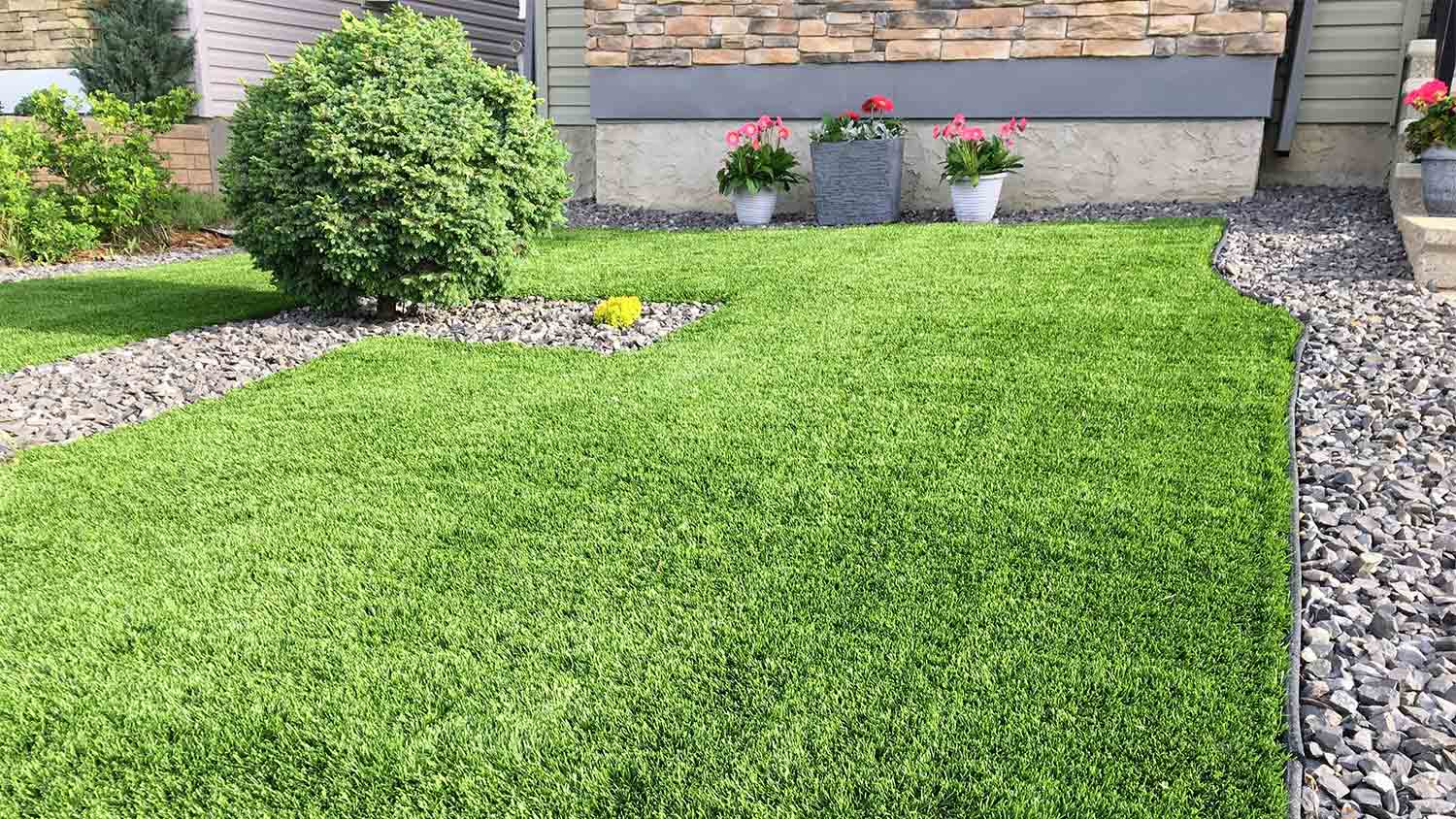
Sod is ready-made grass with roots and soil that you can lay directly onto your lawn for instant greenery and curb appeal.
Typical sod installation costs range from $1 to $2 per square foot, with different project sizes affecting your total investment.
Your sod needs consistent watering for the first four weeks after installation to help the roots establish properly in your lawn.
Hiring a local sod service professional provides reliable guidance on grass type selection and proper installation to ensure your new lawn takes root.
If a patchy, barren lawn is holding you back from hosting a backyard get-together, you might want to upgrade your landscaping with sod. But first: You’ll need to learn what is sod, what is it used for, and how sod grass is made.
This guide covers everything you need to know about sod, including how you can best use it for your lawn, types of sod, and the ins and outs of the installation process. Gone are the days of waiting for grass seeds to germinate and grow.
Sod grass comes ready-made for a quick, green landscape. Unlike seeding or overseeding your lawn—which involves planting grass seed straight into your old turf or soil—sod grass comes in rolls or slabs of soil, grass, and a root system that you can lay directly onto the ground.
Sod is a fast way of achieving a healthy, vibrant lawn. Most homeowners use sod to quickly restore an unkempt, dead yard to boost curb appeal and enhance their yard’s appearance. Sod can also create beautiful outdoor spaces for businesses, schools, government properties, and parks. Golf courses and sports stadiums often opt for sod, as it’s easier to establish than grass seed.
Like planting grass seed and hydroseeding, there are benefits and drawbacks to using sod. It's quick to install and prevents soil erosion, but it costs more than seed.
Establishes quickly, usually roots within two to three weeks
Prevents soil erosion, keeping grass and soil in place even with heavy rainfall
Provides thick, even coverage
Likely to establish better and more reliably than seeds that might blow or wash away, dry out, or not germinate
Flexible planting period, as long as the ground isn't frozen
Requires less water than seed and hydroseed
Experiences few to no weeds
Higher cost than grass seed or hydroseeding
Professional installation is required for the best results (includes soil preparation and ensuring there are no visible seams)
Fewer grass varieties
If a patch doesn’t root, you may need to replace it with sod so the lawn looks cohesive
Difficulty growing in a shady lawn
Need to install within 24 hours of being cut
Sod is grown in sod farms, where farmers plant, cultivate, fertilize, water, and maintain high-quality grass seeds in turf until it’s mature enough for selling. This process can take anywhere from 10 months to two years. Once the sod matures, tractors cut the grass, soil, and roots to specific dimensions, and it’s stacked or rolled into the final product.
Most sod on the market comes from local sources, as sod is a regional investment that does best in environments designed for that particular grass species. Sod farmers either distribute mature sod on-site or through local plant nurseries to prevent the grass from drying up during transportation.

Sod grass comes in various sizes. When deciding on sod grass, you’ll want to measure the square footage of your space and then choose the right size of sod grass for your lawn.
| Sod Size | Dimensions | Coverage |
|---|---|---|
| Slab | 16-by-24 in. | 2.66 sq. ft. |
| Small roll | 40-by-18 in. | 5 sq. ft. |
| Large roll | 60-by-24 in. or 80-by-18 in. | 10 sq. ft. |
There are many types of sod grass available on the market. However, that doesn’t mean you can choose any type blindly. The right type of sod grass for your lawn depends on where you live, the availability, and your lawn’s microenvironment.
When choosing the right type of grass, the biggest factors include your climate and hardiness zone, which you can check using the map from the U.S. Department of Agriculture.
Here are the most popular types of sod grass:
| Cold Season | Hardiness |
|---|---|
| Kentucky Bluegrass | Zone 3, 4, 5, 6, 7 |
| Perennial ryegrass | Zone 3, 4, 5, 6, 7 |
| Fine fescue | Zone 3 |
| Tall fescue | Zone 4, 5, 6, 7 |
| Creeping red fescue | Zone 3 |
| Buffalograss | Zone 5 |
| Warm Season | Hardiness |
|---|---|
| St Augustine | Zone 8, 9, 10 |
| Bermuda | Zone 9, 10 |
| Zoysia | Zone 6, 7, 9, 10 |
Sod species are divided into general climate zones, including warm-season, cold-season, and transitional-season. Choose a sod species that will thrive in your climate to avoid dead grass come winter or summer.


Your plant hardiness zone will also shape the availability of sod species in your region. The most common types of sod grass by hardiness zone are as follows:
| Hardiness Zone | Type of Sod | Climate or Region |
|---|---|---|
| Zone 3 | Fine fescue, Kentucky bluegrass, creeping red fescue, perennial ryegrass | Cool season, North U.S. |
| Zone 4 | Kentucky bluegrass, rough bluegrass, tall fescue, red fescue | Cool season, Central to Southwestern U.S. |
| Zone 5 | Kentucky bluegrass, blue grama grass, tall fescue, Buffalograss, perennial ryegrass | Cool season, Southeast U.S., sandy soil |
| Zone 6 | Zoysia, Kentucky bluegrass, blue grama grass, tall fescue, Buffalograss, perennial ryegrass | Transitional zone, warm and cool season, Pacific Northwest, Northeast to Central U.S. |
| Zone 7 | Buffalograss, Kentucky bluegrass, perennial ryegrass, Zoysia, centipede grass, Bermuda grass, tall fescue | Transitional zone, warm and cool season, Central U.S. |
| Zone 8 | St. Augustine grass, Bahiagrass, Ryegrass, buffalo grass, centipedegrass, Timothy grass, bluegrass | Warm season, Southwest to Pacific Northwest, dry summers |
| Zone 9 | Bermuda grass, bahiagrass, St. Augustine grass, Zoysia grass, bluegrass | Warm season, Southern U.S. to West Coast |
| Zone 10 | Bermuda grass, bahiagrass, St. Augustine grass, Zoysia grass | Warm season, Southern Florida and parts of Southern California and Nevada |
Beyond your climate, sunlight, and maintenance demands, the cost of sod may also affect which type you install. Sod costs between $1 and $2 per square foot to install, depending on the type and whether you DIY it or have it professionally installed. Alone, sod costs roughly $0.35 to $0.85 per square foot, so if you want to save money on your installation, consider DIYing it.
Here is a breakdown of common sod installation projects and their respective costs:
Average landscaping project: $2,000
2,000 square foot front yard: $3,000
6,000 square foot backyard: $9,000
Football field (48,000 square feet): $72,000
The type of sod you select for your lawn depends on a number of factors, including what region of the U.S. you live in, what type of soil you have, the amount of sunlight your yard gets, your budget, the amount of maintenance it requires, and how much traffic your lawn might get. Once you’ve identified these factors, it will help you narrow down the best type of sod for your yard. If you’re done your research but are still unsure which type of sod to install, you can always consult a local sod installation service for recommendations.

If you purchase sod in slabs, you can install sod yourself. But if you purchase large rolls of sod, you’ll need to hire a lawn care company near you to lay the sod.
To ensure a smooth sod installation, make sure your land is free from existing grass, weeds, roots, rocks, and other debris before starting. Till your soil or utilize a rototilling service to quickly till your yard and prepare it ahead of time for the best results. Once your property is ready, unroll and lay the sod row-by-row, pat it down, and then water it.
You’ll want to continue watering your sod every other day for the first week and then twice weekly after that. Avoid walking on new sod for two to four weeks to allow it to set and take root.
Growing sod doesn’t happen without a little TLC after installation. The tips below can help your sod establish healthy roots for a lawn that’s lush for years to come.
The first couple of weeks after installation are key to ensuring your sod grows successfully. You’ll want to water the sod right after it’s installed and keep the soil beneath the sod consistently moist for the first 4 weeks. Morning is typically the best time to water your yard, since doing so at night can encourage fungus growth. It’s also important to make sure you don’t overwater the sod, since overwatering can lead to shallow soil development.
Before you add fertilization into the mix, you’ll want to make sure the roots are established for a few weeks first. After those few weeks, you can start to add the correct mixture and amount of fertilizer to your sod to help it grow.
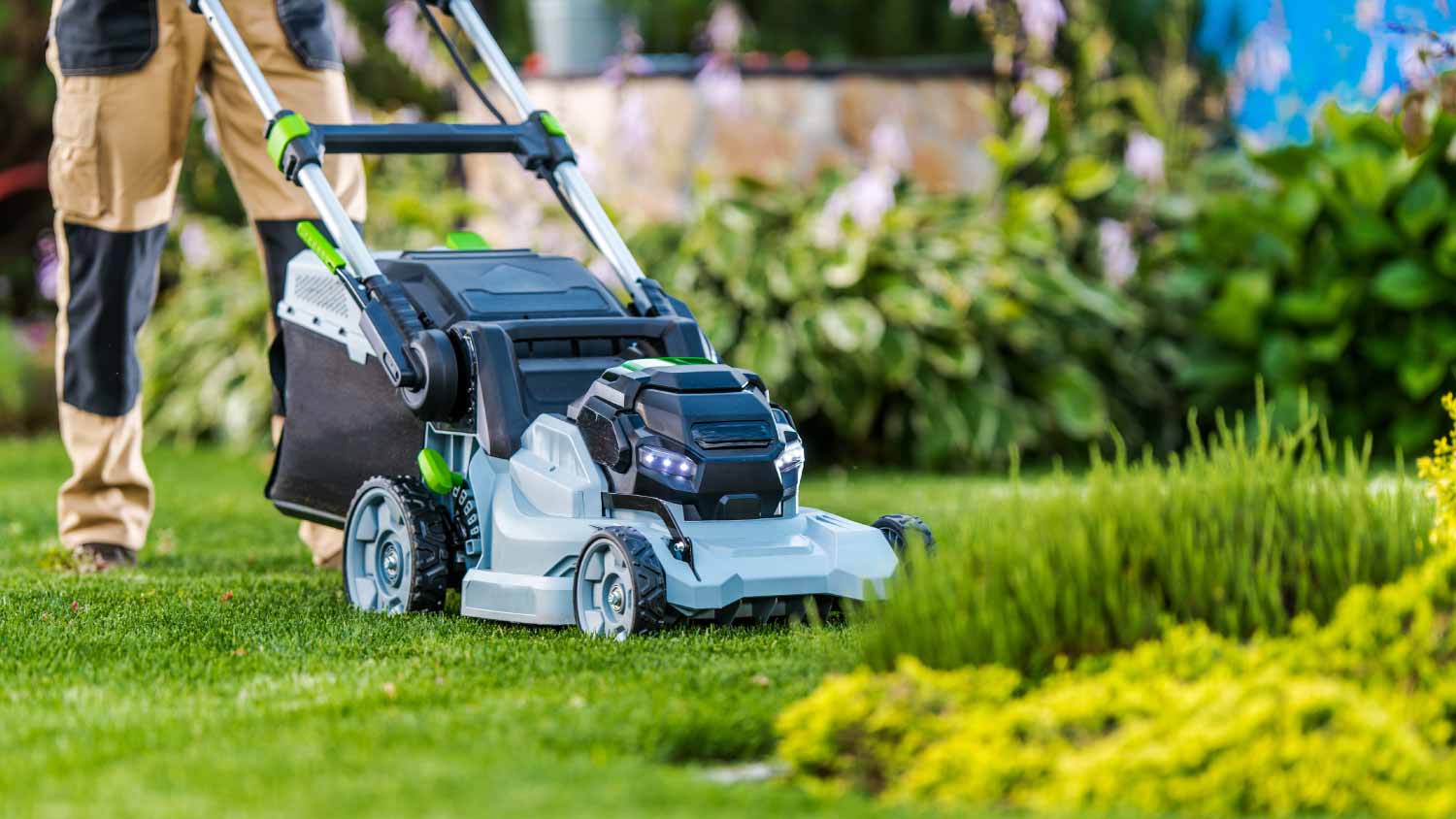
Wait 2 to 3 weeks after installation to mow your sod. Once a few weeks have passed, make sure you set the proper mower height so that you don’t cut the new grass too low. Refrain from cutting more than ⅓ of the grass height at a time.
Jenna Jonaitis contributed to this piece.
D1 Roofing delivers outstanding service from beginning to end, backed by a strong warranty and expert teams. I highly recommend them for their excellence in meeting and surpassing expectations with unmatched communication. Choosing D1 Roofing was flawless decision
 Division 1 Roofing LLC
We had our houses windows and back door replace this summer by Window Depot USA of Central. He gave us grate advise and saved my family lots money. The team did a fantastic job with installation. If you need help, they sure get job done right!
 Window Depot USA of Central Ohio
Wonderful. I am going to have them remove and replace my driveway in the spring.
 All Star Paving and Sealing
We were having 2”x 2” tile installed . There was a small installation error and the new additional replacement tile was from a different lot and the colors didn’t match. Joe assured us that he would rectify everything , which he did without hesitation. We decided to go with the 18” x 36” tile...
 CarifaTile
We had a 20+ year old landscape lighting system that needed replacement. Midwest Lightscapes worked with us to design a much improved lighting system, lighting the exterior of the house and the back yard. Installation of the 45 light system took one and one-half days, and went very smoothly....
 Midwest Lightscapes
Did an amazing job transforming my yard. Also installed sod in places, would recommend to everyone.
 Cardinal Landscaping & Construction LLC
They show up and they did take us on as a client which seems to be a problem with other lawn care providers. We have multiple properties and this one was located close to downtown and no one really wants to mess with it.
The worker came out when he was supposed to come. He informed me he would honor the Angie's List deal, but would not do any more work for me since my son in law owns lawn care company as well, even though they do not do the same type of work. He said he did not feel comfortable giving me...
 Bello Giardino LLC
E & L Lawn Care was super. They were very responsive before and after service. They were efficient and were able to complete the job within 1 day. I have had concern about one section of sod - the owner was pro-active and did a visit to evaluate. I have no doubt they will stand behind...
 E&L lawn care
From average costs to expert advice, get all the answers you need to get your job done.
What are average sod installation prices? Learn how much sod costs based on factors like square footage, land prep, land condition, and more.
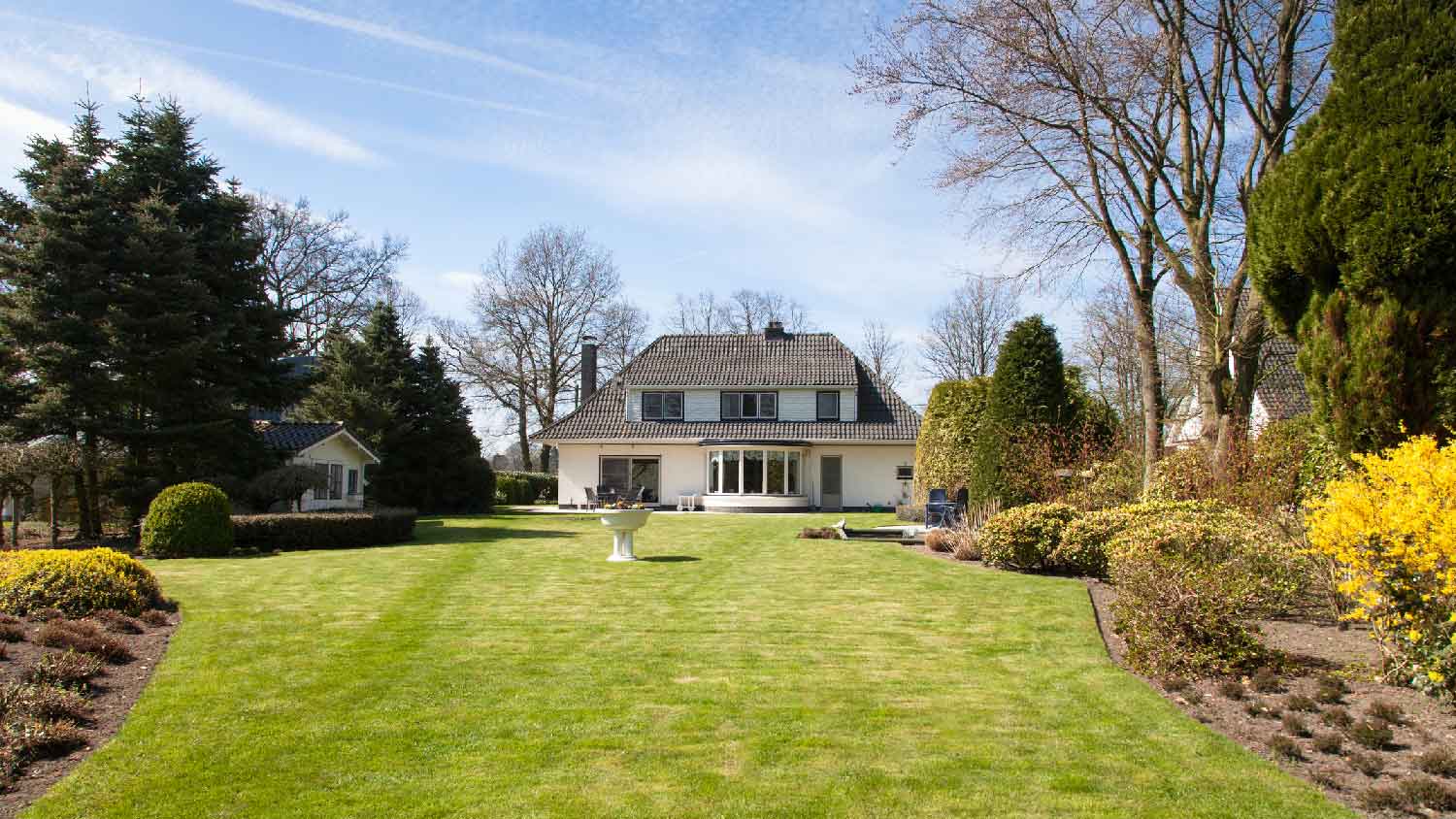
Removing an old lawn is often necessary to plant new grass or build a new outdoor structure. Find out what to budget for your lawn removal cost.

Want a healthy, green lawn fast? Learn how to lay sod in just one day so that its grass grows into a robust lawn you’ll enjoy for many seasons to come.

When it comes to weighing the pros and cons of sod vs. seed, there’s a lot to consider. See how they stack up and which is the best choice for your yard.
Learn tips and tricks for installing sod and discover what to do instead of laying sod over your existing grass to repair bare spots or replace your lawn.
Knowing when to mow new sod is an essential guideline for grass health. Use this guide to know when it's time to mow to promote healthy new lawn growth.