


If you're ready to get rid of that pool once and for all, use this guide to learn aboveground pool removal cost based on factors like size, type, and features.
Pool construction and installation costs depend on your project and location. Check with a local pro for your specific job.

Professional pool removal ranges from $5,000 to $8,000 for a partial fill-in or $300 to $15,000 for your full removal project.
Pool material affects your removal costs, with concrete and gunite requiring more demolition work than vinyl or fiberglass pools.
Account for disposal fees, permits, deck removal, and fill materials when budgeting for your pool removal project.
Hiring a local pool removal professional keeps you safe and ensures proper backfilling to avoid drainage and settling issues.
In 2026, the national average cost for pool removal is $6,000, with most homeowners spending between $5,000 and $8,000 depending on the pool type, size, and removal method. Aboveground pool removal can cost as little as $300, while full in-ground pool removal can reach up to $15,000. Key cost drivers include the pool's material, whether you choose a partial fill-in or complete removal, and local disposal and permitting fees.
The method you choose for removing or filling a swimming pool is the primary driver of cost, with full removal running $4,000 to $16,000 and partial fill-in costing $2,500 to $10,000.
See how the type of pool demolition affects your total cost in the breakdown below:
| Type of Pool Demolition | Average Cost Range in 2026 | Pros and Cons |
|---|---|---|
| Full | $4,000–$16,000 | Takes longer, increases property value more, and the area is backfilled and prepared for new construction |
| Partial | $2,500–$10,000 | Illegal in some regions, can decrease property value, leaves a part of the pool in the ground, not suitable for new buildings due to settling and drainage issues, and must disclose partial removal to buyers |
Pool removal generally costs around $13.50 per square foot, though a smaller pool with a complex design can cost more to demo than a larger pool with a simple shape. Built-in steps, spas, waterfalls, and large decks all add to the total.
Costs vary significantly by pool dimensions, as the following table shows:
| Pool Dimensions (Feet) | Average Removal Cost in 2026 |
|---|---|
| 6x8 | $650 |
| 8x10 | $1,300 |
| 8x12 | $2,200 |
| 8x20 | $1,100 |
| 12x20 | $3,200 |
| 16x32 | $6,900 |
| 18x36 | $8,700 |
| 20x40 | $10,800 |
Whether your pool is aboveground or in-ground is one of the biggest factors in removal cost, with aboveground removal ranging from $300 to $800 and in-ground removal ranging from $2,500 to $16,000 depending on scope.
Here's how the pool type affects your total cost:
Aboveground pool: Much like the cost to install an aboveground pool, removing an aboveground pool is less expensive ($300–$800) and faster (less than four hours) than removing an in-ground pool. Excavating base sand costs more, but you might get a discount if your metal pool frame is recyclable.
In-ground pool: Expect to pay $2,500–$10,000 for a partial fill-in of an in-ground pool or $4,000–$16,000 for a full removal. Removing an in-ground pool requires heavy machinery, soil for backfilling, and engineering expertise to make the land safe for reuse.
In-ground pool removal costs are higher than aboveground pool removal costs. This table shows what to expect based on the size of your in-ground pool and whether you partially fill it in or fully remove it:
| In-Ground Pool Size (Feet) | Partial Fill-In (Average Cost in 2026) | Full Removal (Average Cost in 2026) |
|---|---|---|
| 10x20 | $2,000–$6,200 | $4,300–$10,800 |
| 12x24 | $2,300–$7,700 | $4,600–$11,600 |
| 14x28 | $2,300–$7,700 | $4,900–$12,900 |
| 15x30 | $2,500–$8,100 | $4,100–$13,400 |
| 18x36 | $2,800–$9,300 | $5,600–$15,100 |
| 20x40 | $3,000–$10,300 | $6,100–$16,400 |
| 30x50 | $4,100–$14,700 | $8,000–$22,500 |
Pool material is a major cost factor in removal, with prices ranging from $3,000 to $10,000 for vinyl up to $5,000 to $15,000 for fiberglass, while concrete and gunite each fall in the $3,000 to $15,000 range. Costs vary by material because harder materials like concrete and gunite require additional demolition and disposal steps.
Pool material is a key driver of overall cost, as the table below shows:
| Pool Material | Average Removal Cost Range in 2026 |
|---|---|
| Concrete | $3,000–$15,000 |
| Fiberglass | $5,000–$15,000 |
| Gunite | $3,000–$15,000 |
| Vinyl | $3,000–$10,000 |
Keep these considerations in mind based on the type of pool material:
Vinyl: Full removal of a vinyl pool is required because a partial fill-in won't work in this scenario. Before demolition, an engineer must inspect the vinyl liner's backing and determine that it is safe for removal.
Fiberglass: Fiberglass pools require full removal since fiberglass pieces cannot be left in the ground, unlike concrete. However, the fiberglass shell may come out in one piece, making removal less expensive. If the shell comes out in sections, the removal cost increases.
Concrete: Concrete pools are the most expensive to remove in full, so they're typically partially removed. In most cases, a pool removal contractor will break apart the concrete and combine it with dirt to fill the pool cavity.
Gunite: Gunite is a type of sprayable concrete, and removing a gunite pool involves several steps.
Pool removal labor averages $1,000 to $3,000, with rates driven by project complexity, material type, and whether you choose a full demolition or partial fill-in. Local building codes may also require a structural engineer to oversee the removal and backfilling process, adding $100 to $200 per hour to your budget. An engineer confirms that the area will have proper drainage, won't sink or swell, and will be safe for future construction.
Pool removal costs vary by location, with costs from $3,000 to $8,000, with labor running higher in areas with a greater cost of living.
The average removal costs by state are:
| State | Average Removal Costs in 2026 |
|---|---|
| Arizona | $3,000–$7,000 |
| California | $3,500–$8,000 |
| Colorado | $7,000 |
| Connecticut | $5,000 |
| Florida | $3,900–$4,200 |
| Georgia | $3,200–$6,000 |
| Illinois | $6,000 |
| Indiana | $4,800 |
| Kentucky | $5,000 |
| Maryland | $4,200 |
| Massachusetts | $4,500–$6,000 |
| Michigan | $3,000–$9,000 |
| Minnesota | $6,000 |
Beyond the base removal cost, several additional expenses can affect your total budget, so talk to your local pool removal specialist before work begins to understand which apply to your project.

Before pool removal begins, you'll need to close your pool and drain the water, a process that takes about 24 hours and costs as much as $175 depending on pool size. You can reduce that cost by renting a small pump from a home improvement store for $40 to $70 and draining it yourself, provided local regulations allow it. Check with a local pool removal company or your municipality for drainage rules, since some areas require a permit and make professional handling the safer choice.
The fill material you choose for the cost to fill in your pool affects both your budget and what you can do with the space afterward, with costs ranging from $5 to $8 per cubic yard for gravel up to $8 to $12 per cubic yard for dirt. A structural engineer should oversee the filling process to ensure proper drainage and prevent settling issues.
Different fill materials include:
Gravel: This is the least expensive fill material at $5–$8 per cubic yard. However, it doesn't compact easily and can form sinkholes. It also isn't good for support, so you won't be able to build over it. Some homeowners use it as a base material to save on the cost of dirt.
Dirt: Dirt costs $8–$12 per cubic yard. You can opt to fill your pool with dirt alone, but it's often mixed with a gravel base. Leave space on top of the dirt fill for landscaping topsoil.
Concrete: This isn't a common fill material due to its high cost. However, you can use broken-up concrete from a partial pool removal to help fill the space along with dirt.
Pool removal requires heavy machinery like excavators, and limited access to your pool or property can increase both removal time and overall costs. To keep expenses down, remove or temporarily relocate obstacles such as fencing, pool enclosures, and outdoor playsets before work begins.
Permits and inspections for pool removal can cost about $200, and most pool removal contractors bundle these fees into their flat project rate. It's still worth contacting your local building department directly so you know which permits are required and can confirm your pro hasn't missed any legal steps.
If your in-ground pool has a surrounding deck, budget $2 to $5 per square foot for deck removal, with concrete and paver decks typically falling on the higher end compared to wood.

Removing a pool fence or enclosure typically costs $800 to $2,000, with larger structures and harder materials like steel or structural aluminum landing at the higher end. For a large pool cage or full glass enclosure, expect to pay $5,000 or more.
Disposal fees for a pool removal project typically run $150 to $500, depending on the size and weight of the debris and the number of haul-away trips required. Check your project quote to confirm whether disposal is included, and consider paying the cost of a dumpster rental yourself as a way to reduce this expense.
Removing a pool is a big endeavor, and homeowners often choose to have additional work done at the same time. Below are some pool removal add-ons that you might want to consider. Your pool removal contractor can also give you suggestions for ways to get the most out of the project.
Some common pool removal add-ons to consider include:
Wooden deck removal: $1,000–$2,000, depending on the size
Electrical component removal: $75–$150 per hour to hire a pool electrician to remove any pool lighting or in-ground pumps
Paver or concrete patio removal: $1,000–$2,000 or more, depending on the size
Soil compaction: $250–$1,000
Seeding: $0.10–$0.20 per square foot
Sod installation: $1.50–$3.00 per square foot
Professional landscaping: $100–$200 per hour
If you have an older pool, you might consider whether to remove or remodel it. Know that each approach has its advantages, disadvantages, and associated costs.
Removing a pool involves demolishing and extracting the existing structure, followed by filling and landscaping the area. Depending on your needs, you can do a full or partial removal.
Pool removal eliminates ongoing expenses related to upkeep, such as maintenance, chemicals, filtration, and repairs. It also gives you back usable outdoor space for other purposes, like gardening, a bigger patio, or a play area.
On the other hand, pool removal can be expensive, with full removal costing double the average cost of a partial removal. The process is also time-consuming and can take several days to complete, depending on the pool size and the complexity of the job. Removing a pool can decrease the value of your property in some circumstances, such as when the pool you're removing is in good condition or pools are common in your neighborhood.
| Pros | Cons |
|---|---|
| Reduced maintenance and costs | Time-consuming process |
| Reclaimed yard space | Can lower home value in some cases |
Pool remodeling involves updating your current pool to improve its appearance, functionality, or safety. This can include resurfacing, updating or repairing tiles, adding modern features, and improving energy efficiency.
The most obvious perk of pool remodeling is having a modern pool that looks great and can boost property values. However, if you opt for extensive pool renovations, the costs will be higher and the project can take several weeks. You'll have to weigh the pool renovations you want against your budget and timeline to know if it's the right choice for you.
| Pros | Cons |
|---|---|
| Better aesthetics and functionality | High initial cost |
| Can boost property value | Time-consuming process |

While it may be physically possible to save between $1,000 and $3,000 in labor costs by removing a pool yourself, several factors keep it from being a realistic goal. Local building codes will still require you to pay for the input of a structural engineer to remove an inground pool, and you'll still need to pay for disposal. However, the most significant factor is your safety. Local pool contractors have the equipment and knowledge to safely handle the work.
Pool demolition and backfilling are complex and potentially dangerous tasks, so here's why hiring a pro makes sense:
Hiring a professional keeps you safe and the job legal.
Professional pool contractors obtain the correct and necessary permits and manage the subsequent inspections.
They can confirm underground utility structures and protect them, as well as your home, during the process.
Experienced pros can determine and execute the proper demolition and removal method.
Pool companies have access to the heavy equipment often necessary for the job.
Pros have the necessary experience to backfill correctly to avoid future and costly drainage and settling issues.
Experts can complete the job in a fraction of the time a DIYer can.
DIY is only suitable for some aboveground pools, but your safety is still a primary concern. If you want to be a part of your aboveground pool removal, here are some ways you can be involved:
Drain the pool following local rules
Shut off power to the pool pump and any lighting or other fixtures
If necessary, clear any furniture or debris from around the pool
Plan your landscaping design after the pool removal
Removing a pool can get expensive, and while DIY removal might not be in the cards for safety reasons, there are some other ways to save.
DIY as much of the project as you can: Removing fences or lightweight enclosures ahead of time can save $1,000 or more, depending on the size and material of the enclosure you're removing.
Couple your project with add-ons: If you know you're going to finish the space in the future, like converting your pool to a deck, consider coupling the prep work with the removal. Most companies offer discounts if you also hire them to do landscaping, add a fire pit, install a new deck, or otherwise complete the area to your specifications.
Rent a dumpster: You may save on dumping fees by renting a dumpster rather than paying your pool removal company to haul away the material.
Drain your pool yourself: If local laws allow, you could save around $100 or more by draining your pool yourself.
Choose your fill material carefully: You'll pay more to fill the excavated area with straight soil than a mix of concrete and soil or gravel and soil. If you don't plan on building over the area, consider a less expensive fill option.
Compare multiple contractors: Get quotes from multiple contractors so you can compare their rates.
Be ready to describe to your contractor your pool's details, such as whether it's above-ground or in-ground and the structures nearby or attached.
Discuss the project's scope and your options, including whether a full or partial removal is necessary or possible.
Confirm the details of the pricing estimate with your professional. Look for inclusions like disposal or recycling costs.
Talk with your contractor about your landscaping needs after the job is complete.
Home is the most important place on earth, which is why Angi has helped more than 150 million homeowners transform their houses into homes they adore. To help homeowners with their next project, Angi provides readers with the most accurate cost data and upholds strict editorial standards. We extensively research project costs to develop the pricing data you see, so you can make the best decisions for you and your home. We rely on reputable sources, including the U.S. Bureau of Labor Statistics, academic journals, market studies, and interviews with industry experts—all to ensure our prices reflect real-world projects.
Want to help us improve our cost data? Send us a recent project quote to [email protected]. Quotes and personal information will not be shared publicly.
If you’re good people wanting to do business with good people, hire Matt. He is a consummate professional and utterly competent. He installed a water heater in my home at a price that beat competitors by hundreds of dollars with a promise to support the unit for its life (even after its 6 yr...
 Greene's Plumbing Services
Joseph did a great job with the staircase and trim. Timely and efficient, clear communication about the work, very fair pricing. For the stairs in particular, done very skillfully in an old house (1893) in a tight spiral, and very creative with how to do the handrail. Did a nice job with...
 Vouis Trim Carpentry L.L.C.
This company does it right. Firstly, I want to say that Landan was a joy to work with. He was so kind, transparent, and had everything under control. His entire team showed up ready to work and they were all very respectful of the fact that we were in an office space. A little backstory – we...
 Krumlauf Floors
Professional Team, smooth to communication chain and schedule flexibility. Follows proper construction procedure and completes task on time.
 Pegasus Concrete
Very professional, knowledgeable and helpful! Completed the install on time and as expected.
 Ward's Services
Cole has been handling plumbing and general contracting for our four properties over the past three years, and he’s always done a great job. Most recently, he installed a sink and countertop in our retail store where none existed before, and it turned out exactly how we needed. He’s...
 ANB Renovations LLC
Excellent, Prompt, Courteous Service!!! They were super friendly and quite personable. I felt very comfortable with the gentlemen that did the installation. They installed it exactly where I asked them to and they did an excellent job!! I loved their service so much.
 Tether House
I hired windows depot USA of central to install new windows in house in Oshawa. Ilya was very professional from the start, not only did he offered a great price, he also made sure the installation was on time. I am very satisfied with final outcome. The windows look great and the overall...
 Window Depot USA of Central Ohio
The guys did an outstanding job and we had a great experience with CarifaTile. I appreciated that Joe reviewed the quotes with me and set expectations prior to the install. The crews showed up as scheduled and always left the areas clean upon leaving the house. We will definitely use...
 CarifaTile
Did an amazing job transforming my yard. Also installed sod in places, would recommend to everyone.
 Cardinal Landscaping & Construction LLC
From average costs to expert advice, get all the answers you need to get your job done.
If you're ready to get rid of that pool once and for all, use this guide to learn aboveground pool removal cost based on factors like size, type, and features.
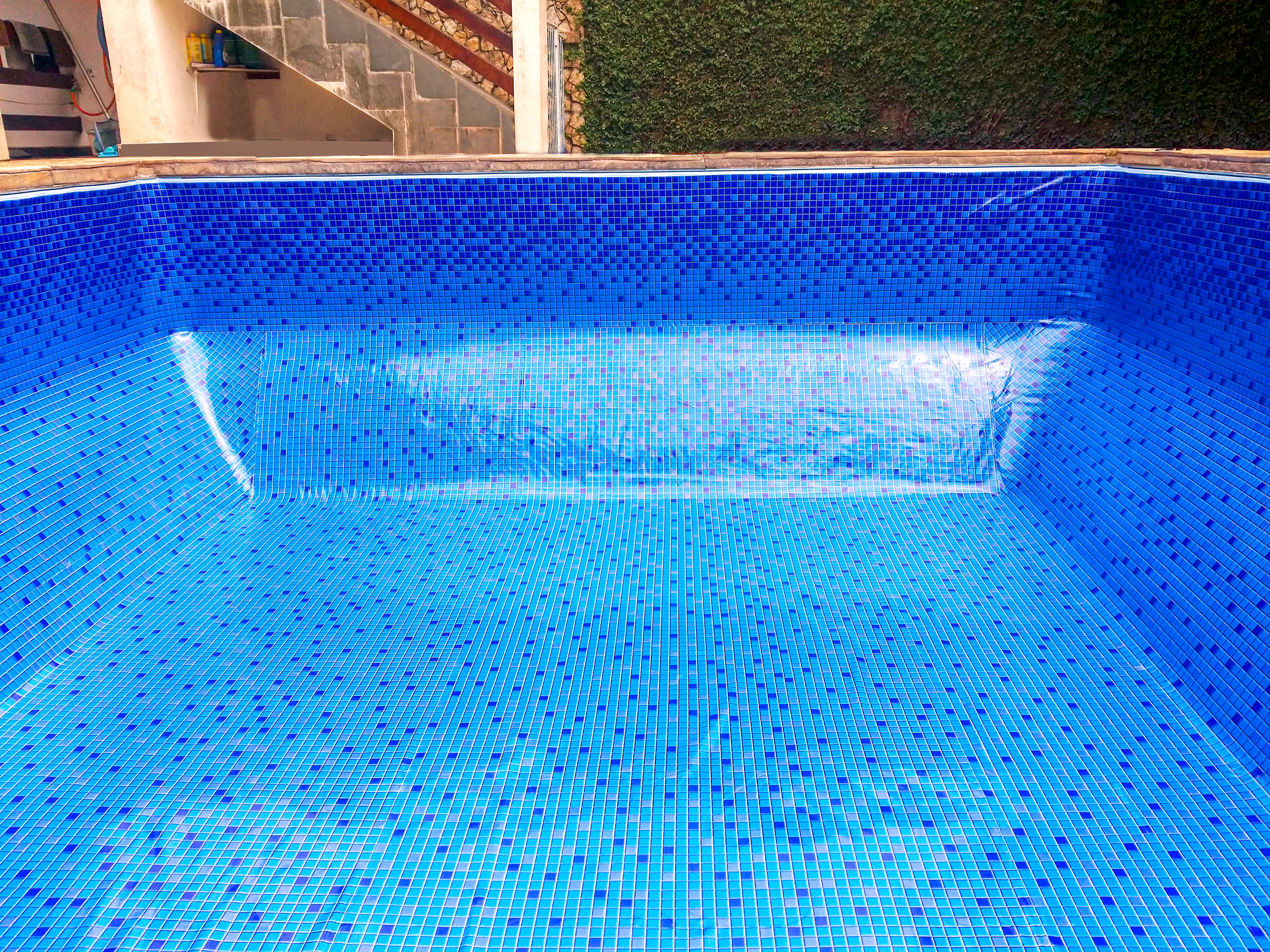
Are you thinking about filling your pool? The cost to fill a pool depends on the type of fill used and the size of your pool.

You can't have an in-ground pool without digging into the ground. How much does pool excavation cost, and can you take it on yourself? Our guide explains.
Installing a pool heater ensures that your pool gets used as much as possible, but is the pool heater cost worth it? Let’s find out.
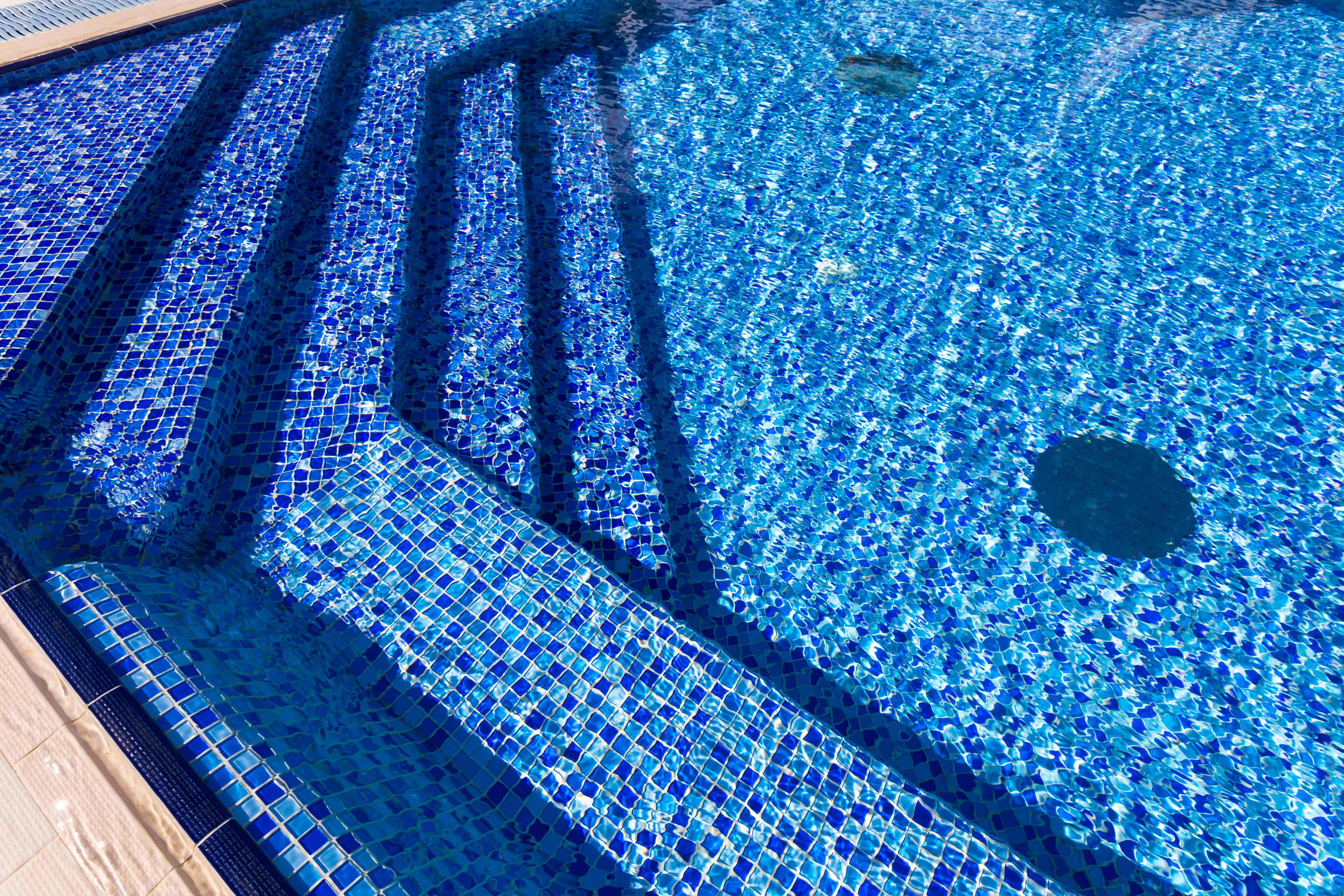
Need to update the look and feel of your pool? Use this guide on pool liner replacement cost to see how much this pool project will set you back.

If you’re looking to get your backyard summer-ready, use this guide to learn pool opening costs, budget appropriately, and how to save money.