
Tiny houses are known for creative designs and space-saving storage solutions. Whether you’re downsizing to save money, reduce waste, or live a simpler life, these tiny house ideas will help you save space and get organized in your home.
Household ammonia can repel moths, clean jewelry, and even remove stubborn stains on concrete

Ammonia is used for cleaning concrete stains, cutting grease, removing soap scum, and brightening fabrics when you dilute it properly for each surface.
Diluting ammonia before you use it protects your surfaces from damage and reduces harsh fumes, making your cleaning safer and more effective.
You should always wear protective gloves and goggles, work in a well-ventilated space, and never mix ammonia with bleach to avoid creating toxic fumes.
Hiring a local housekeeping professional provides peace of mind when tackling tough cleaning projects, especially with proper dilution and safe handling of ammonia-based solutions.
Ammonia for household use can be a powerful cleaner that cuts through even the toughest stains. It’s also capable of cleaning precious items, like jewelry, and even repelling some pests. Grab your gloves, open a window, grab some ammonia, and check out these surprising household uses for ammonia.
You can use ammonia to clean stains on your concrete driveway. Conduct a spot test in an inconspicuous spot before dousing on your floors to ensure it doesn’t harm any sealants. Diluted ammonia will work for concrete driveways, but don’t use an ammonia solution for polished or stamped concrete driveways or floors.
Grab a cleaning bucket and fill it with 1 cup of ammonia and 1 gallon of warm water.
Scrub the ammonia mixture into the stains with a mop or sponge. If you are using a sponge, wear gloves.
Let the ammonia soak into the concrete stains for 15 to 30 minutes.
Scrub the stain with a tough bristle brush.
Thoroughly hose down the area to rinse away the ammonia.
Stubborn stains on your sofa, curtains, or carpets are no match for ammonia. Ammonia can help keep carpet and upholstery looking brand new. Ammonia will work for cotton, nylon, and polyester, but never use ammonia for wool or silk fabrics. Be sure to test a small, discreet area of fabric first before applying ammonia all over your belongings, and always follow the manufacturer’s cleaning recommendations.
Mix 1 cup of ammonia and 0.5 gallons of warm water.
Sponge the stained areas with the ammonia mixture.
Let the stain soak up the mixture for 10 minutes.
Cover the stain with a clean towel.
Use an iron or steamer to steam the towel over the stain for 20 seconds.
Repeat the sponging, resting, and steaming until the stain has fully lifted.
Allow the area to dry thoroughly.
Many commercial window and glass cleaners contain ammonia. For streak-free windows that sparkle, you can use at-home materials, including diluted ammonia and a lint-free cloth.
Fill a spray bottle with 1 tablespoon ammonia and 2 cups of warm water.
Spray windows with the mixture. You can also use this spray for mirrors.
Wipe down with a clean cloth.
Ammonia is incredibly tough on grease. Note that you should only use ammonia to clean electric ovens. Avoid using ammonia to clean a gas oven. Make sure you open all windows and turn on vent fans before using ammonia to clean an electric oven.
Preheat the oven to 150°F.
Meanwhile, start boiling a small, oven-safe pot of water.
Turn the oven off.
Place an oven-safe bowl with 0.5 cups of ammonia on the top rack of the oven.
Place the pot of boiling water on the bottom rack of the oven.
Close the oven and let it sit overnight or for at least 8 hours.
Remove the ammonia and pot of water (rinse both down the sink while running hot water), and leave the oven door open for about an hour to air out the oven.
Use soap and warm water with a sponge or cleaning cloth to thoroughly wipe down the inside of the oven. Stubborn grease will be loose and easy to clean.
Soap scum can make bathroom tiles look dull and dirty, but it’s easier to remove with the help of ammonia. As always, make sure you can thoroughly ventilate the bathroom area before cleaning with ammonia.
For tile: Dilute 1/4 cup of ammonia with 1 gallon of water in a cleaning bucket.
For porcelain enamel tubs: Dilute 1 tablespoon of ammonia with 1 gallon of water in a cleaning bucket.
With gloved hands, use a sponge to apply the mixture to tiled areas.
Rinse thoroughly with water or go over the tile and tub areas with a sponge and warm water.
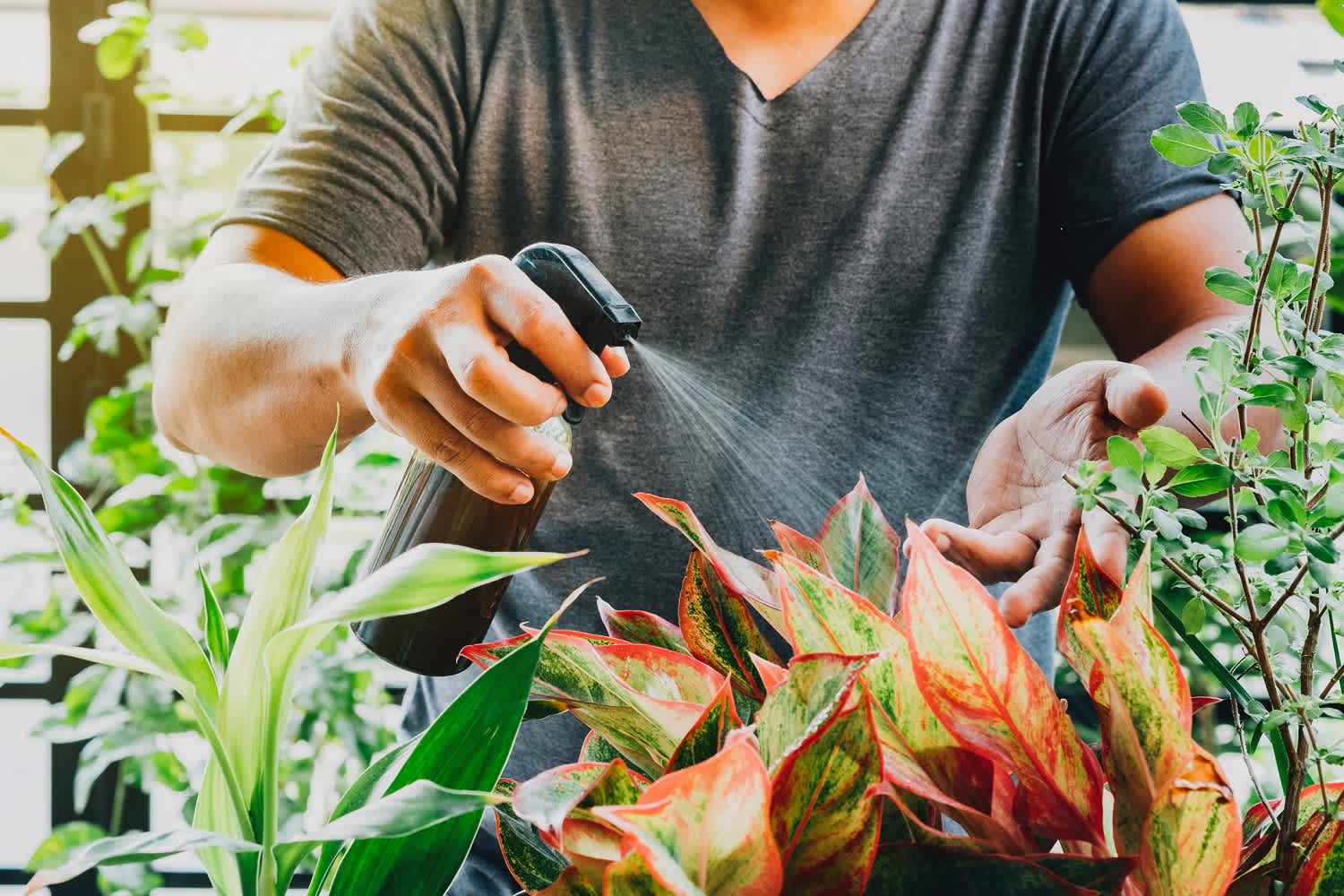
Ammonia consists of nitrogen and hydrogen, and it’s used for many fertilizers. You can use diluted ammonia as occasional plant food for both indoor and outdoor plants. Be sure to use clear ammonia, not sudsy ammonia (which contains soap), for plants. And before you put it on your plants, check the care instructions for your specific plants to be sure it’s safe.
Outdoor Plants: Dilute 0.25 cup of ammonia with one gallon of water for fertilizing the garden.
Indoor Plants: You can use ammonia to help care for indoor plants. Houseplants will thrive with a little bit of ammonia about once a month. Add just a few drops of ammonia to one quart of water for indoor plants.
Many pests can’t stand the smell of ammonia, so even just a small amount can prevent unwanted creatures from sniffing around your garbage bins. You can use a spray bottle with one part ammonia to one part water to spray the inside of your garbage, recycling, and compost bins to prevent raccoons or other pests from getting into your trash.
If your metal or diamond jewelry looks dull, ammonia may be able to help. Never use ammonia to clean pearls, and check with your jeweler to ensure it’s safe for your specific pieces before giving them the dunk.
Fill a container (one you don’t use for food) with six parts warm water to one part clear ammonia in a well-ventilated space.
Let the jewelry soak in the diluted ammonia for 5 to 10 minutes.
While wearing gloves, pull out each piece of jewelry and scrub it gently with a soft, small cleaning brush or new toothbrush. Scrub very gently to avoid loosening any diamonds.
Place the jewelry back in the container to soak for 5 to 10 more minutes.
Rinse with warm water.
Dry and polish with a soft cloth.
White sneakers are a staple in any wardrobe, but even a few specks of dirt can make them look worn out. Restore white sneakers or tennis shoes to their best by using ammonia to brighten them. Diluted ammonia will work for white athletic shoes and canvas, but don’t use it for leather shoes.
Fill a container, not used for food purposes, with one part ammonia and one part water.
Using a gloved hand, soak a cleaning cloth in the ammonia mixture.
Scrub the white shoes with the cleaning cloth.
Rinse the shoes with warm water and let them fully dry.
For fresh mosquito bites, get nearly instant relief with just one small drop of ammonia on the bite. The basic ammonia (ammonia has a pH of 11.6) breaks down compounds in the mosquito saliva that make you itch. Don’t add ammonia to bites that have been scratched open, though, or it will hurt. Use no more than one drop of ammonia for a mosquito bite.
Ammonia is a powerful and versatile cleaner, but it must be used carefully to ensure safe and effective use when cleaning.
As a chemical compound, ammonia has potential safety risks. Keep it away from children and pets, and always wear protective gear during cleaning. This includes gloves, goggles, and a face mask.
Even when wearing a mask, make sure your workspace is well-ventilated before you begin.
To limit your exposure, avoid staying in the area for too long. Step away periodically to get some fresh air before continuing. If you start to feel dizzy or lightheaded, stop immediately and leave the area.
If ammonia comes into contact with your eyes or skin, it can cause a burning sensation and may lead to a rash. To avoid accidents, always mix ammonia slowly and carefully. While using it, keep your safety gear nearby so you can respond quickly in case of a spill or leak. If a leak does occur, put on a mask and evacuate the area immediately. Also, make sure to keep your hands away from your face.
If you use ammonia at full strength, you might accidentally damage the surface of whatever you’re cleaning. Plus, the fumes can be harsh and irritating. By diluting it, you make it safer to use and easier to handle, while still getting your cleaning done. Also, never mix ammonia with bleach, as this can create toxic chlorine gas.
Beyond safety, there are some items throughout the home that just cannot be cleaned with ammonia.
Ammonia and live flames do not mix, and this can lead to an actual fire, so never clean a gas oven with an ammonia-based solution. Electric ovens are safer, but you must cut the power before using the cleaner.
Ammonia is fine for cleaning some textiles, like cotton dishrags and oily aprons. However, it’s not appropriate for cleaning silk or wool. This heavy-duty cleaner will eat away at the fibers that comprise these materials.
Ammonia can break down the natural finish of jewelry items. It’s fairly safe to use on gold or silver, but it’s absolutely off-limits when cleaning pearls or gemstones. To be on the safe side, avoid it altogether when cleaning precious items of jewelry.
Ammonia will damage no-wax floors over time due to the material’s composition. This won’t happen immediately, as the ammonia has to build up over time, but you should still avoid using it.
I had FabClean 614 clean my apartment, and she did an outstanding job. She was so professional and efficient. My apartment looks absolutely spotless every surface, every corner, all cleaned to perfection. Definitely highly recommend FabClean 614 if you're looking for top-notch cleaning...
 Fab Clean 614
Best cleaning I've had at my property
Fantastic group, very communicative, and they really did a great job cleaning my condo. Will be hiring them for recurring cleaning!
 eMaids of Northern Columbus
Ace Fireplace Services' chimney sweep service is truly exceptional. They used advanced technology to ensure a thorough cleaning process, and my chimney has never looked better. I highly recommend their services.
 Ace Fireplace Services
100% satisfied with the work done by Supreme Brick & Chimney. Josh responded to my Angi request very quickly and squeezed our house into his schedule only a couple business days out. The chimney cleaning process was extremely clean with ZERO dirt going anywhere besides in Josh's vacuum. Very...
 Supreme brick & chimney
On time, clean and finished fast. Windows seem sturdy and the finish is good. Caulking was done with no smudges. Would recommend.
 Window Depot USA of Central Ohio
Great job...edging and pre clean up went well with a great job with seal coat. Friendly, efficient and professional.
 All Star Paving and Sealing
Mary Cleaning Service is fantastic! The entire team is professional and pay a great deal of attention to detail. They do such a thorough job of cleaning my house. I would definitely recommend!
It was just fine. They did a good job. They cleaned what needed to be cleaned.
 Dezired Cleaners LLC
They cleaned my very dirty basement. They were prompts, quick, thorough and their price was fair.
 JDE House Cleaning LLC
From average costs to expert advice, get all the answers you need to get your job done.
Tiny houses are known for creative designs and space-saving storage solutions. Whether you’re downsizing to save money, reduce waste, or live a simpler life, these tiny house ideas will help you save space and get organized in your home.

Is your home feeling a little too grown-up? Discover 10 whimsymaxxing ideas that add unexpected color, patterns, charm, and personality.
Vinegar is a staple salad dressing ingredient, but it’s actually quite a versatile cleaning agent. There are numerous surprising ways to use vinegar around the house that will save you time and be easier on your wallet—learn how here.

Protecting your home from severe wind is a big job. Keep your house and family safe from the elements with this handy wind mitigation inspection checklist.

If you’re worried about sounds in your home, not all of them are major causes for concern. Find out what those strange noises mean and what to do about them.
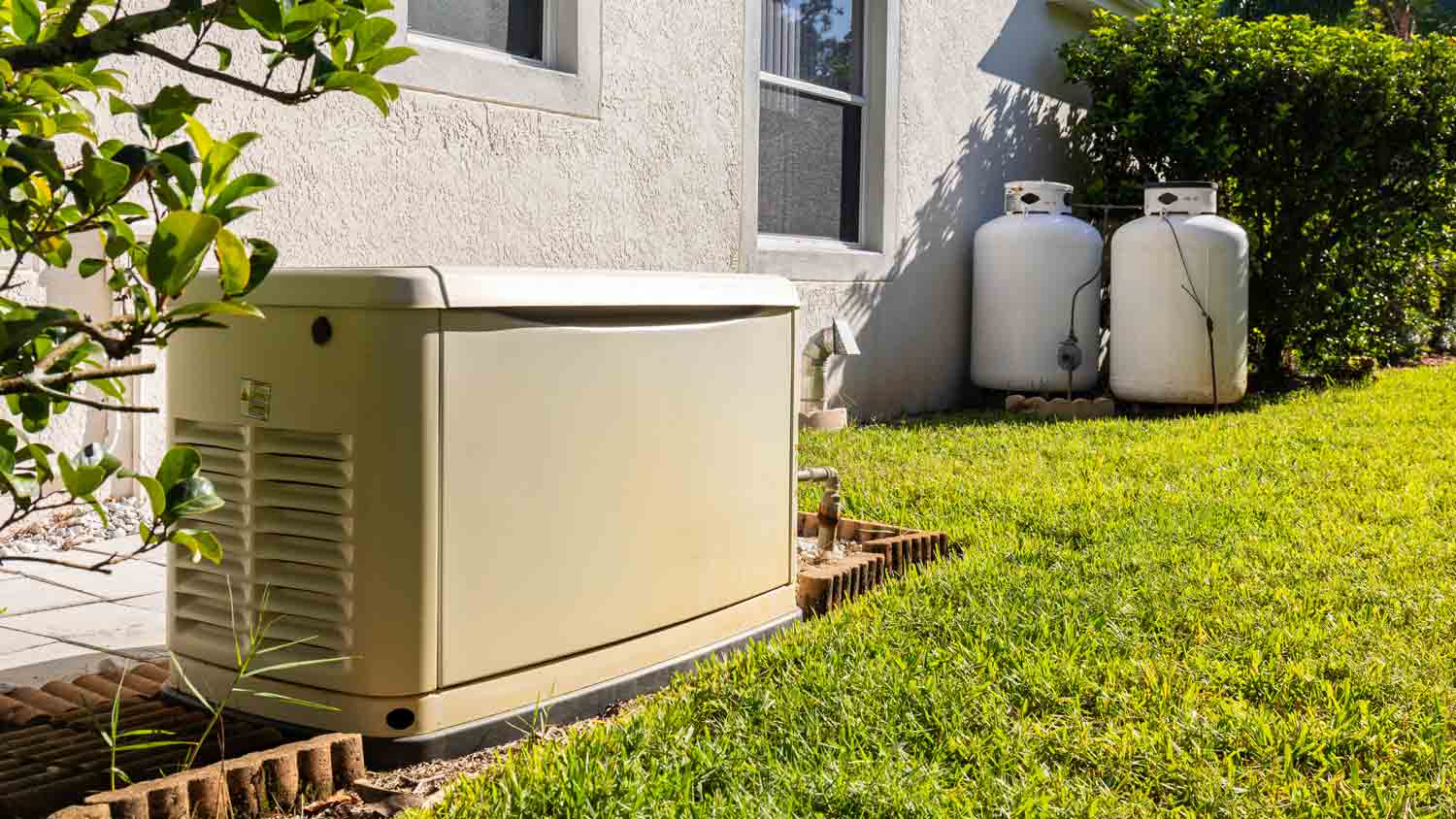
Whole house generators are a power alternative that can deal with frequent blackouts and other problems. Here’s how they function.