
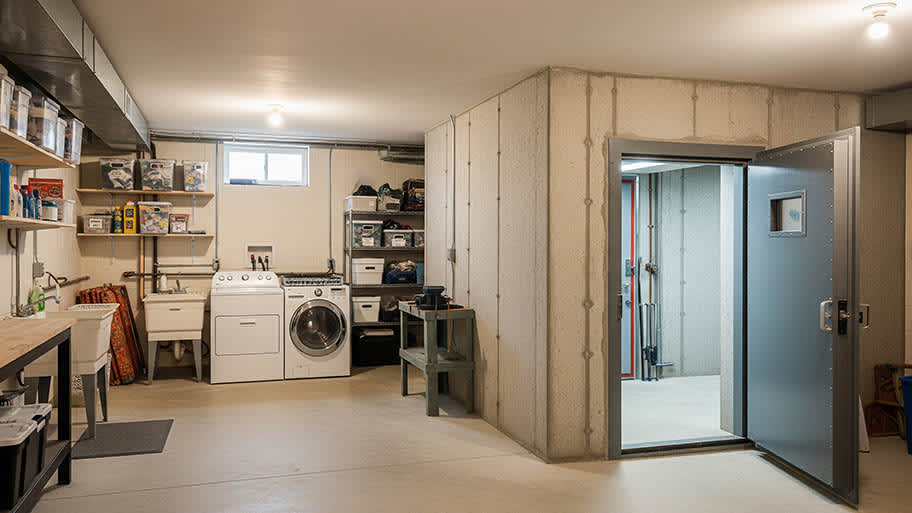
When you’re looking to make a safer space for your family during storms, tornado shelter costs may come to mind. See how much you can expect to pay here.
Having a storm shelter in your home brings peace of mind year-round

A shelter during a storm protects you and your family from tornadoes and hurricanes, meeting FEMA guidelines for wind resistance and debris impact.
Expect to pay $7,520 on average for a tornado shelter, with costs reaching $30,000 for larger units that accommodate more people.
Your shelter choice depends on what your home and family need, including accessibility concerns, available space, and whether flooding affects your property.
Hiring a local storm shelter professional ensures your shelter meets FEMA safety standards and stays properly anchored to protect your family during severe weather.
Ever wonder what a storm shelter is? It helps keep you and your family safe during tornadoes and hurricanes. If you live in a region with these frequent weather concerns, buying a storm shelter can give you peace and physical safety in case of an emergency. Read on to learn what type of storm shelter will meet your and your family’s needs and some more essential things to know before buying a storm shelter.
A storm shelter is a structure designed to protect people from tornadoes, hurricanes, strong winds, and airborne debris. The term “safe room” is often used to describe the specifics of a storm shelter intended to withstand tornadoes or hurricanes.
The Federal Emergency Management Agency (FEMA) has specific criteria that safe rooms must meet to protect you from harm. Before buying your storm shelter, you’ll want to ensure it meets these guidelines.
The main rules center on performance requirements:
Must resist impact from airborne debris coming into contact with the shelter due to high-speed winds
Needs structural integrity to withstand pressure from high-speed winds, remain intact, and not collapse
Storm shelters (built to the guidelines from FEMA) provide near-absolute protection from injury and death during severe weather events, like hurricanes, storms, and tornadoes. If you live in a region with extreme weather, consider building a storm shelter or safe room for your household to keep everyone safe during an emergency. During a severe weather event, you may not have time to leave your home and find shelter elsewhere. Having a storm shelter at your house can help you quickly get to safety.

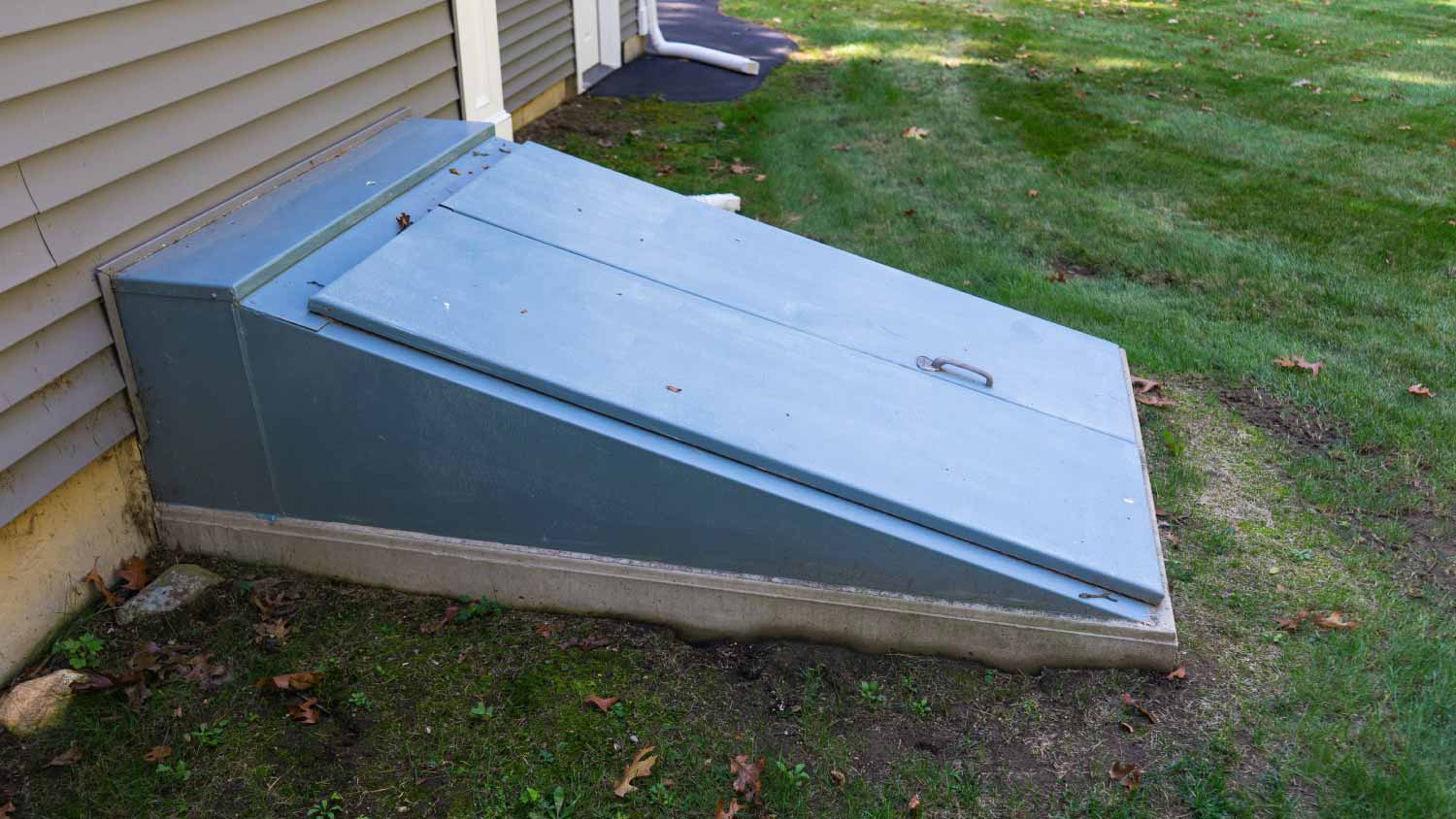
When buying a storm shelter, you’ll choose between an underground or aboveground shelter. Base your decision on the needs of your family, home, and yard.
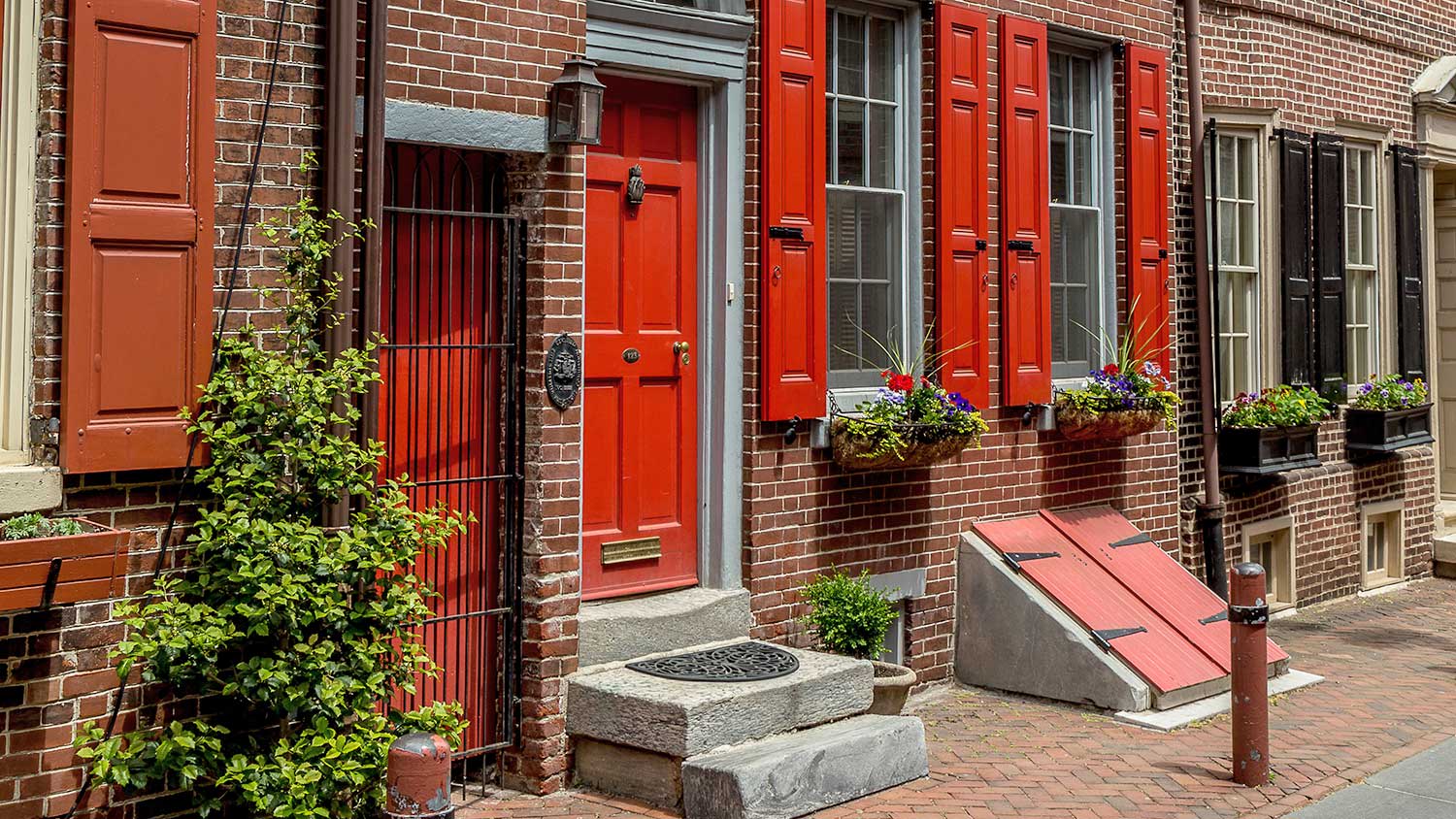
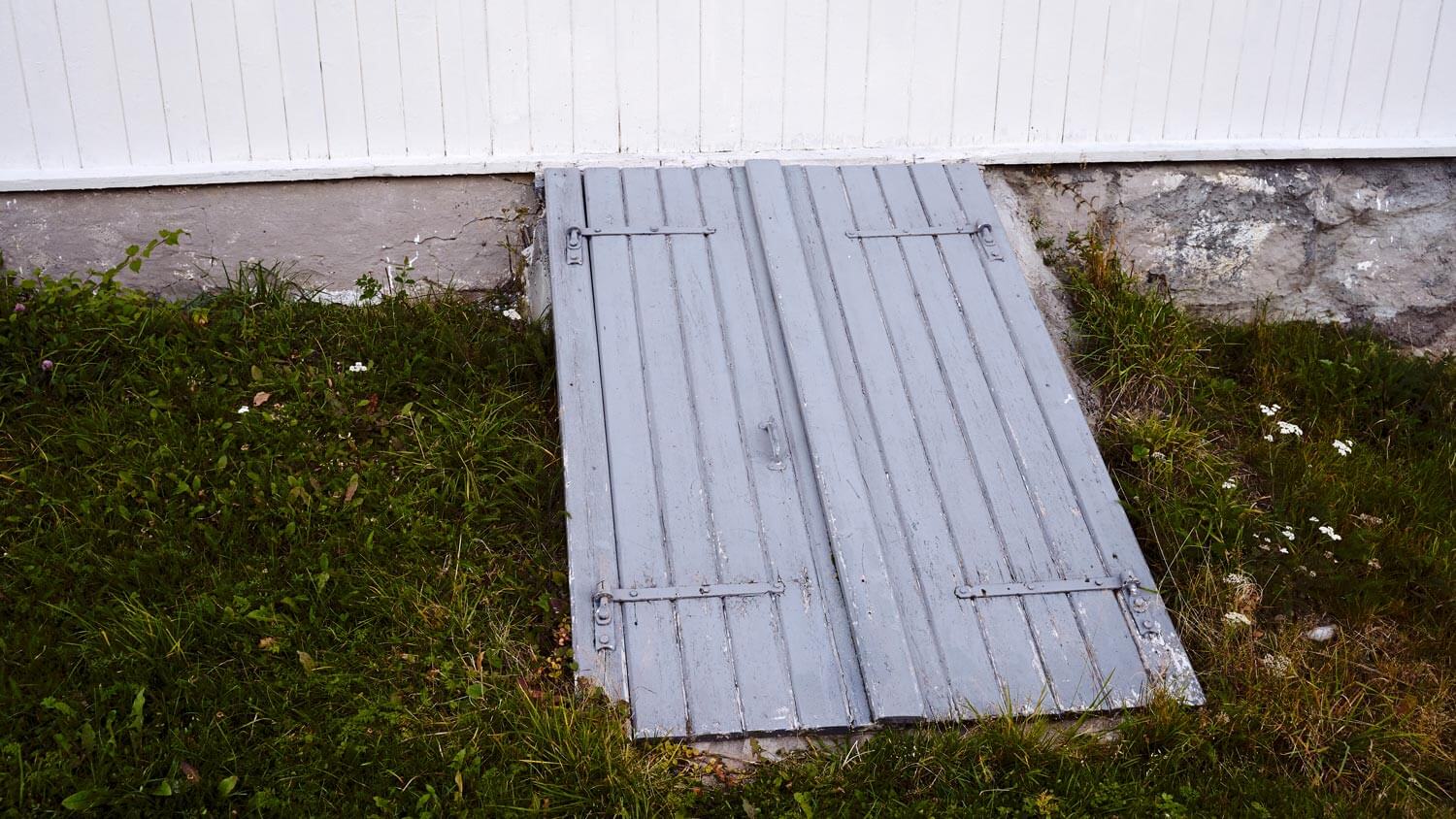
These shelters can be very safe and effective. Your home may have an existing cellar door that, with a few modifications, can be turned into a storm shelter.
They offer excellent protection from high-speed winds and flying debris.
They may increase the value of your home, particularly in areas that experience numerous extreme weather events.
They’re not easily accessible for people using wheelchairs, people with mobility issues, and older adults.
Depending on the severity of the storm and how quickly it comes on, leaving your home to go outside to access the doors can be a safety concern.
Animals like mice and rats may be able to enter these types of shelters. You don’t want to see these unwelcome visitors during an emergency.
Experts don’t recommend underground shelters for homes in regions where flooding is common or have high groundwater tables. Underground storm shelters can leak at times, as well. Before installing an underground shelter, call Dig Safe (also known as Call-Before-You-Dig and 811) to check that there are no utility lines in the area where you need to excavate.
You can install storm shelters aboveground in your home's basement, closet, garage, or storage room. They can also fit inconspicuously in a corner.
They’re easier to get to in times of dangerous weather.
There’s no exposure to the elements (if the shelter is inside your home).
They’re more accessible for people using wheelchairs or with mobility issues.
Since an aboveground shelter is built in the living area of a home, you may lose some square footage of your home or garage.
The shelter may not be strong enough to withstand extremely high winds.
The shelter may not be large enough to house your entire family.
Storm shelter walls are made of steel, able to withstand high winds, and designed to resist denting from debris that may come in contact with it at high speeds. Aboveground shelters must be securely anchored to a steel-reinforced concrete slab with bolts. It’s possible to install aboveground shelters outdoors, but installing them inside your home or garage is safer and more efficient.
Prebuilt shelters can also be a great option since they can be attached to your home (most commonly on the side of the house). A pro can securely anchor the shelter to the foundation of your house.
When buying a storm shelter, you’ll need to consider the size and needs of your family to ensure everyone can safely fit inside. FEMA recommends calculating a minimum of square feet per person to determine the size of your residential shelter based on the following factors:
For tornado shelters:
5 square feet per standing person
10 square feet for wheelchair users
30 square feet for people who need a bed or stretcher
For hurricane shelters:
20 square feet per standing or sitting person, including wheelchair users
40 square feet for people who need a bed or stretcher
The minimum floor space per person for a safe room is greater for a hurricane-safe room than for a tornado-safe room because you’ll need to shelter for a longer period of time during a hurricane. A battery-operated unit can assist with proper ventilation, air filtration, and lighting during use. You want to be as comfortable as possible when using the shelter.
When preparing for a hurricane or tornado, save room in your storm shelter for essential emergency supplies. These include items such as:
First aid kit
Bottled water
Canned and nonperishable foods
Radio
Flashlight
Batteries
It’s possible to build a homemade storm shelter yourself, but it requires equipment, skills, and experience that most homeowners don’t often possess. Because of the criteria and specificity of the project, building a storm shelter is best left to professionals. An underground shelter would require you to excavate and build a below-ground room.
An aboveground shelter is constructed from high-grade steel. Both shelter installations are very technical, require expertise on the subject, and must meet all local codes and FEMA criteria. A prefabricated aboveground storm shelter is the more DIY-friendly option.
Therefore, it’s best to buy a storm shelter from a reputable company or have one made by an expert who knows the proper guidelines to ensure it keeps you and your family safe from the elements.
Once a pro has installed your storm shelter, register it with your local emergency management department or storm shelter registry. This will allow emergency services to locate you and assist you if the door is blocked or you cannot safely come out of your storm shelter on your own.
Taking these preventative steps can help you feel prepared for any inclement weather coming your way. An added bonus to either type of storm shelter installation is that it can add value to your home. Find a local storm shelter builder who can install the best structure to meet your needs.
1st Choice Renew is simply the best! We hired them for a complete home renovation, and they transformed our space into something truly amazing. The team attention to detail and commitment to quality were evident throughout the project. They were easy to work with, very responsive, and always...
 Save A Dime
Exquisite workmanship from Custom Paint Jobs LLC. My home has never looked better.
 Custom Paint Jobs, LLC
We needed windows in our home, and we couldnt believe we got our entire home done for under $14,000. We have a lot of windows, and not only was it affordable, but it got done in a timely manner! Thanks guys, I truly appreciate you all!
 Window Depot USA of Central Ohio
Chris has been completing paint projects for me on flips, rentals, and even my personal home over the last 5 years. He always does an exceptional job, and is always responsive and easy to get ahold of. Great work, great communication. Iâ d definitely recommend him!
 Y City
Working with Mike on our first home purchase was an absolute pleasure. Mike put us at ease and made the process of buying a home fun. Mike is knowledgeable, honest, professional, and punctual. He worked with our busy schedule and always made time for us. When a home came on the market that...
 Michael Marshall - Buyer's Resource Realty Svcs.
Clint was and is very Professional and takes pride in this company and his work. Definitely recommended him to everyone in my hi-rise building. Excellent proposal and no hidden charges or surprises. Don't find that in today's world.
 Footprints Floors of Columbus
From average costs to expert advice, get all the answers you need to get your job done.
When you’re looking to make a safer space for your family during storms, tornado shelter costs may come to mind. See how much you can expect to pay here.
A storm door can protect your front door and let in more fresh air. Find out how much storm door installation costs for materials, labor, and more.
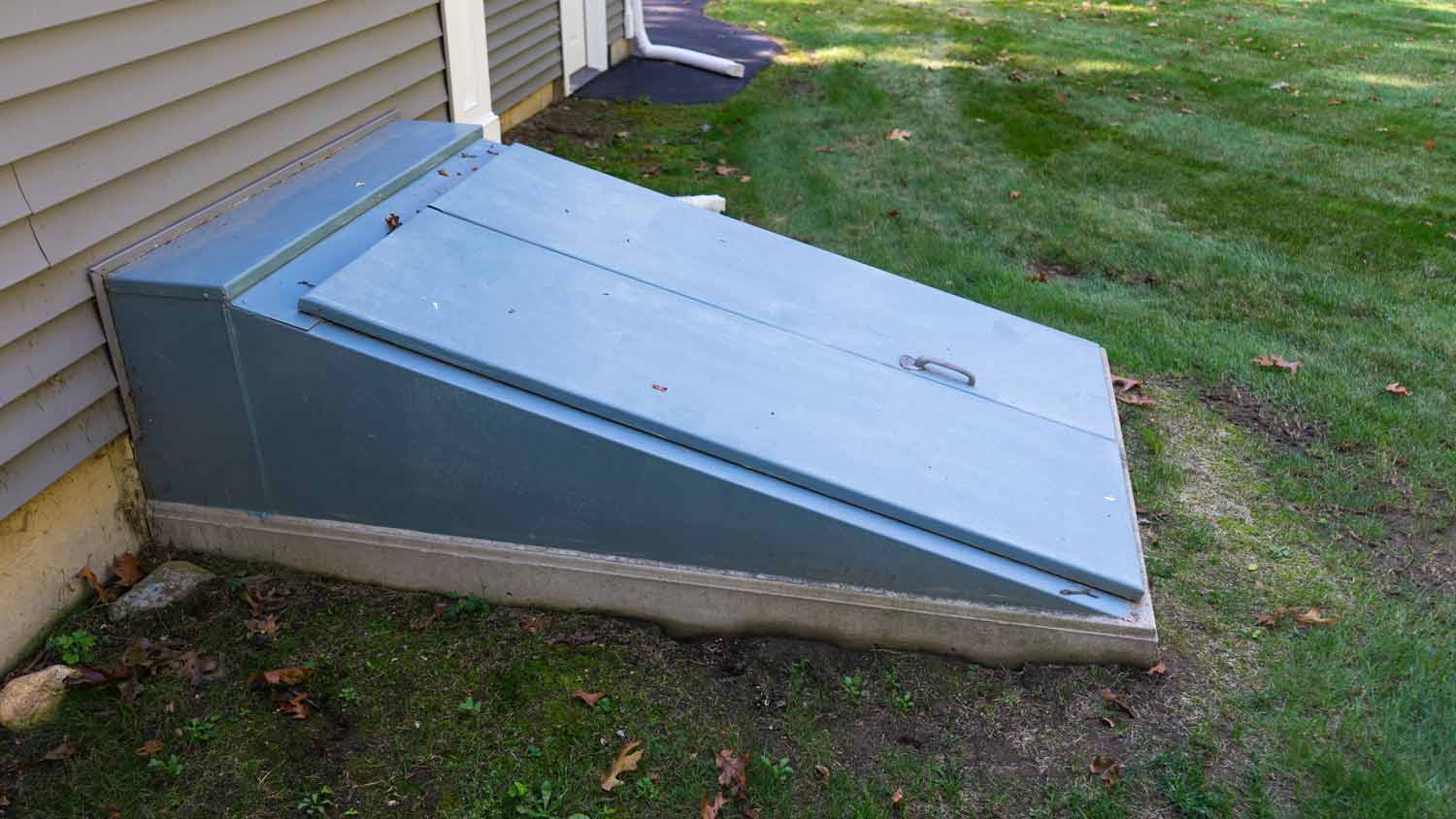
Learn how to find and hire a qualified storm shelter contractor. Get expert tips on qualifications, questions to ask, and what to expect.
Above- or below-ground, which is the best storm shelter? Use this guide to determine which type of storm shelter best meets your needs.
If you’re planning on building a homemade storm shelter, read on to learn what tools and supplies you’ll need, as well as what steps you’ll take.
Need to protect your loved ones during storm season? We discuss how to build a cinder block storm shelter to ensure safety and durability.