

Top-rated water softener pros.

Get matched with top water softener pros in Wright, WY

Enter your zip and get matched with up to 5 pros

Need a pro for your water softener service project in Wright, WY?

Select your specific project to find the pro for you.

Find Water softener pros in Wright

Accurate Plumbing
5.0(
2
)

Serving Wright, WY and surrounding areas

In business since 2017

Credit card accepted

Offers commercial services

Accurate Plumbing is committed to excellence in every aspect of our business. We uphold a standard of integrity bound by fairness, honesty, and personal responsibility. Our distinction is the quality of service we bring to our customers. Accurate knowledge of our trade combined with ability is what makes us true professionals. Above all, we are watchful of our customers' interests, and make their concerns the basis of our business.\n\n

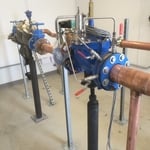
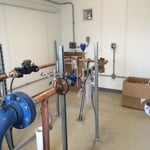
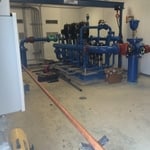
Pump house
Pump house
Pump house
Response time4 hrs
Recommended by100%of homeowners
Avatar for House' Of Repairs
House' Of Repairs
New to Angi

Serving Wright, WY and surrounding areas

In business since 2020

Free estimates

Small jobs welcome

At House' Of Repairs', our company is based on the belief that our customers' needs are of the utmost importance. Our team is committed to meeting those needs. We welcome the opportunity to earn your trust and deliver you the best service. No job is too big or too small for our experienced team. Call today for a quote.

Response time10 hrs
Water Softeners questions, answered by experts

The main difference between a water softener and a water filter is what they remove from the water. A water softener is specifically designed to remove hard minerals, while a filter removes a wider range of contaminants above a certain size, such as bacteria and other impurities. If your primary goal is to remove minerals, a softener is the best choice. If you want to remove various contaminants for safety or taste, a filter is more suitable. Filters are also typically less expensive to install. Depending on your water supply's specific issues, you may need to install both systems for comprehensive treatment.

Whether you need a permit or license for a water softener installation depends on your location, as requirements vary significantly. Some municipalities require the installer to hold a plumbing license, some mandate a permit and an inspection, and others require both. In some areas, no special permit or license is needed at all.

To determine the rules in your area, you can contact your local building department or consult a local water softener installer or plumber. Often, only certified professionals are authorized to pull the necessary permits, and they will typically handle the entire permitting process for you. Regardless of local laws, it is always recommended to hire a licensed professional to ensure the system is sized and installed correctly. You can use Angi’s state licensing tool to check an installer’s license status.

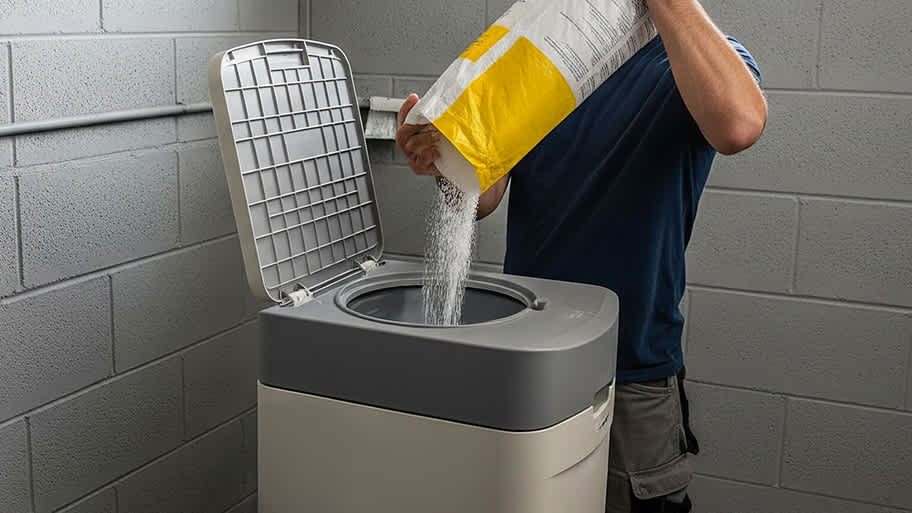
You can install a water softener system by turning off the water supply, draining the water, and then connecting your device to the waterline. Next, you’ll fill your tank with the recommended amount of salt or brine (whichever your unit calls for; be sure to read the instructions). Turn the water supply on and check for leaks. You can opt to let your water run for a few minutes, then test it using strips. 

The process of inspecting your water softener system is similar.

The primary difference between a water softener and a water filter lies in what they remove from the water. A water softener is designed to remove hard minerals like calcium and magnesium. In contrast, a water filter has a broader effect, removing various contaminants above a certain size, which can include bacteria and other impurities.

To decide which you need, consider your goal. If you want to eliminate hard minerals, choose a softener. If you want to remove a wide range of contaminants, a filter is the better option. Filters are also generally less expensive to install. Depending on your water supply, you may need to install both for comprehensive treatment.

There are many possibilities for why your shower’s water pressure is low. It might be a simple-to-fix issue like the water valves being partially turned off, a dirty showerhead or hose, leaks in the plumbing, or an old showerhead. However, low water pressure in the shower could also indicate a larger issue with your home’s plumbing system.

The Wright, WY homeowners’ guide to water softener services

From average costs to expert advice, get all the answers you need to get your job done.