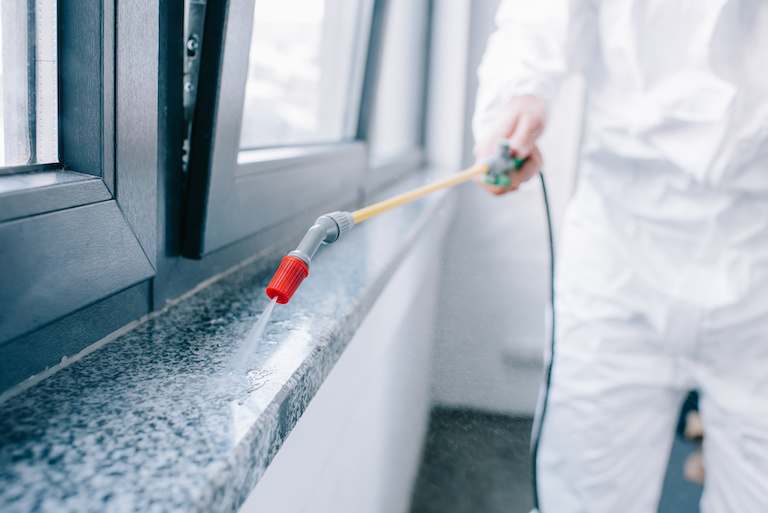
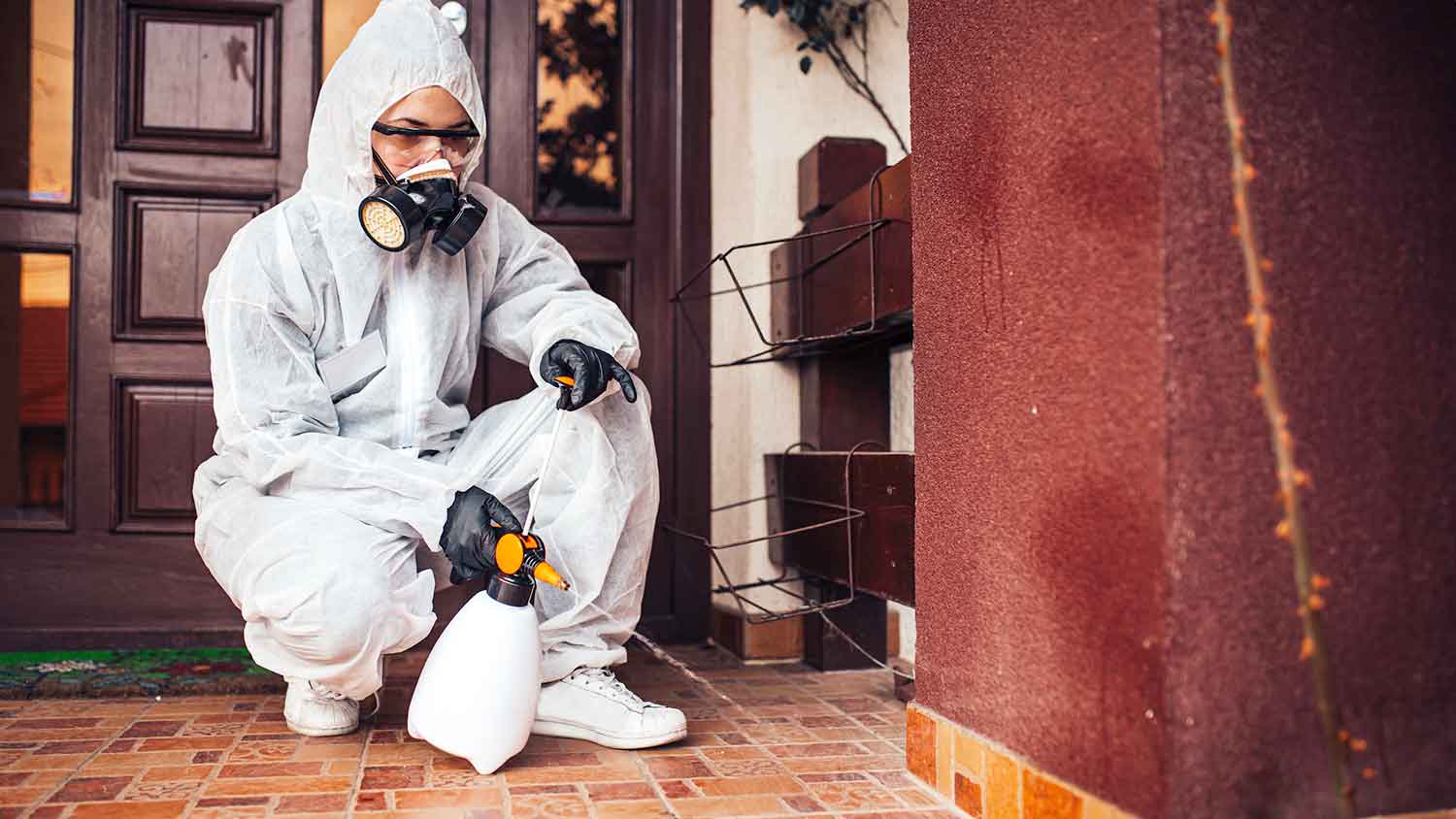
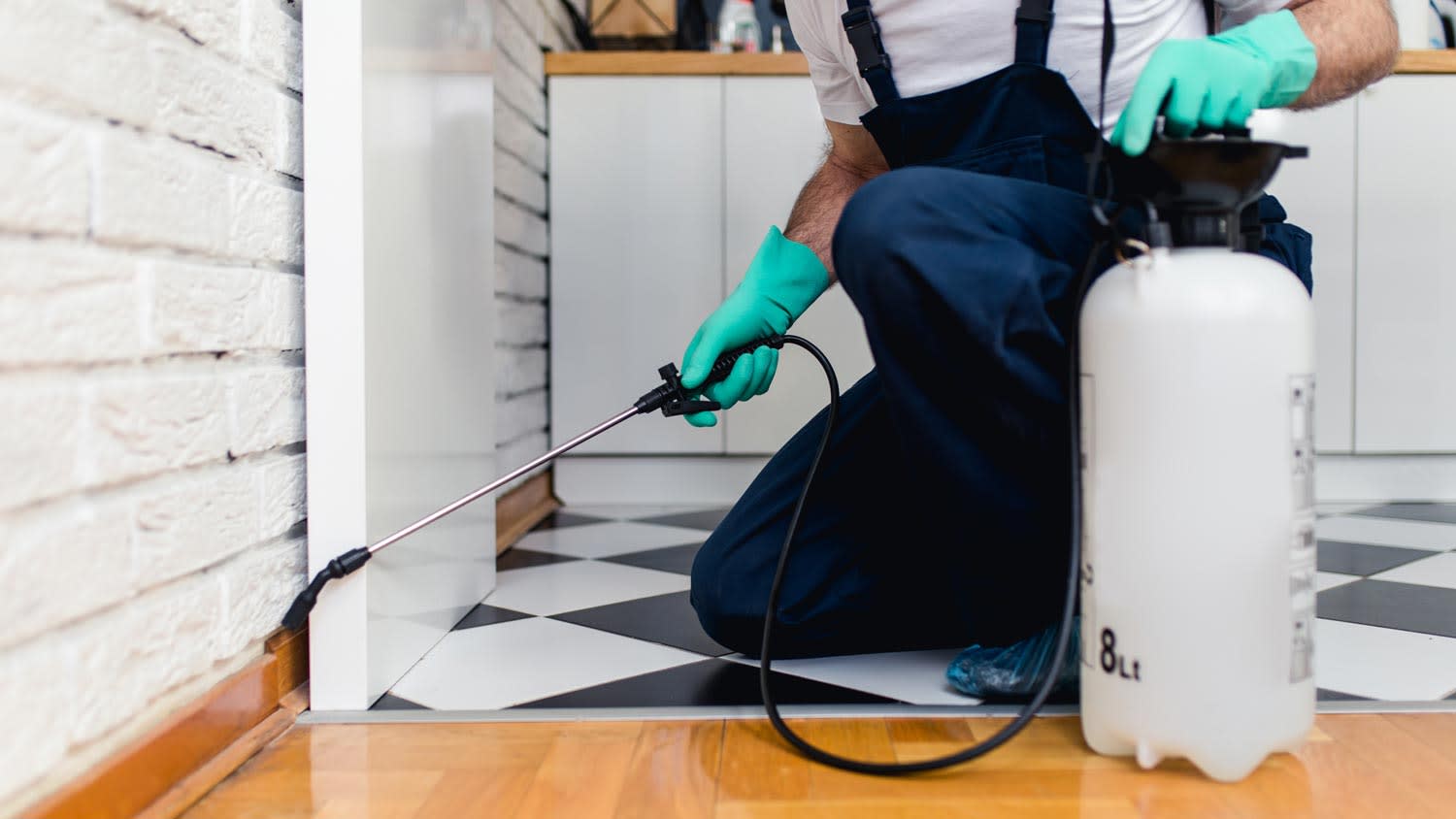
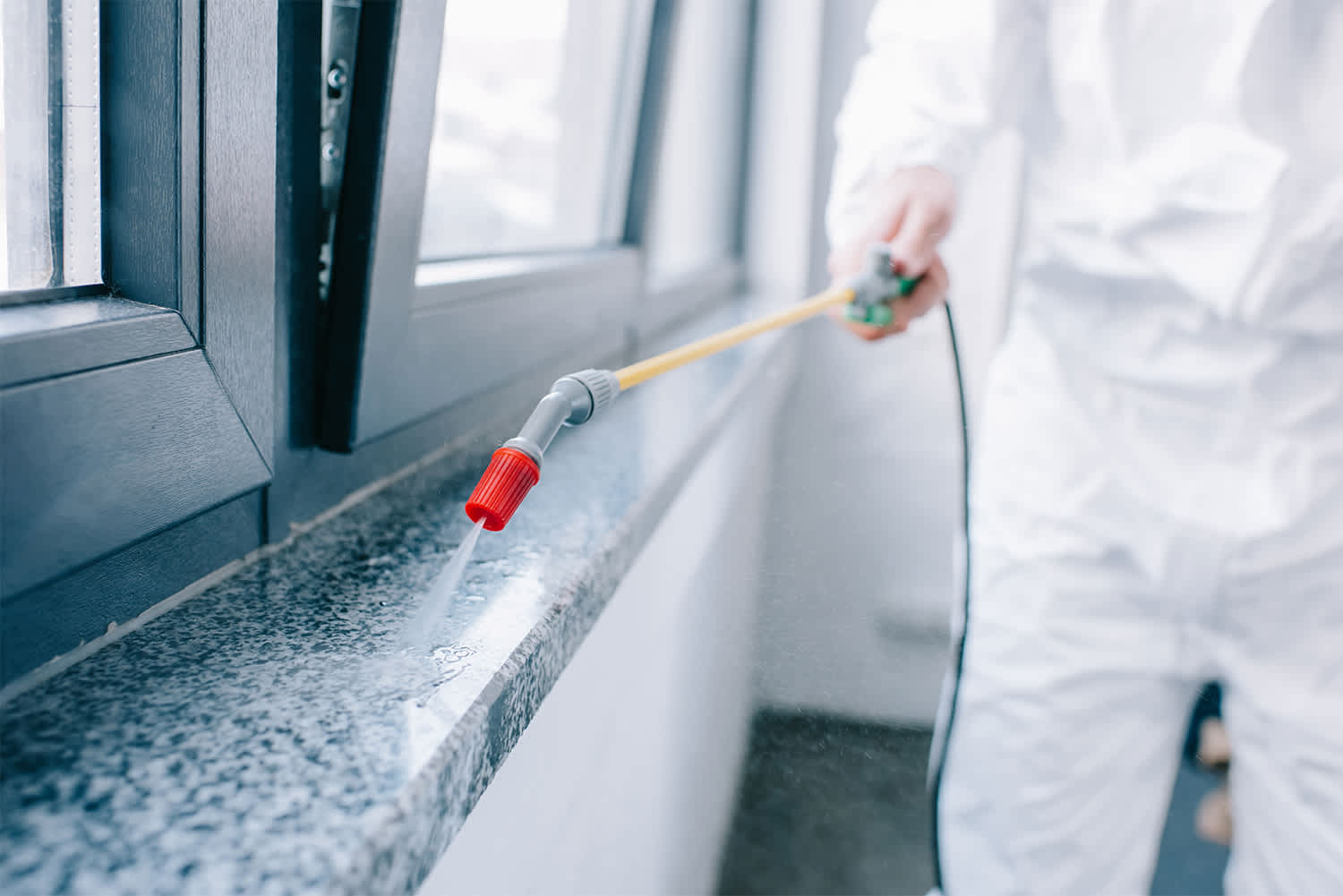
"Very knowledgeable guy who seem to know what he’s doing. Don’t know results of spraying. Have had much rain since. Will have to see if it worked. Terminex will spray again the beginning of next month."
"United Air Temp was able to procure a replacement furnace controller board in a couple of days and Zachary was out within 4 days of the initial visit. The furnace now works very well."
When it comes to protecting homes, Terminix has satisfied more customers than any other insect and pest control company in the industry, with more than 15 million service visits annually.
Scientists have found that the chemical traces a dying wasp releases can agitate nearby wasps and make them more aggressive. It may not necessarily attract wasps, but it will make wasps in the area more likely to investigate and feel threatened, which leads to more stings. As a result, it’s not a good idea to swat or crush a wasp anywhere near their nest. Once you have found a nest, hire a wasp exterminator.
You can easily find sprays that claim they are safe for pets and kids. However, we’d rather not use them in our own homes if we’re worried about pet safety: They still include pesticides and other chemicals, and are best avoided in any food prep areas like the kitchen, or any spots where children and pets may place. That’s why sprays didn’t end up in our suggestions for the safest options.
Pros offer targeted treatments that are more effective and long-lasting, using specialized equipment and knowledge.
A combination of traps, baits, and exclusion techniques effectively manage rodent populations.
Other than blasting aphids away with your hose set to jet, insecticides offer the quickest way to kill aphids on contact. Protect other insects and critters by choosing a natural insecticide for your garden, which can be as effective as a synthetic one.
The Wamsutter, WY homeowners’ guide to pest control services
From average costs to expert advice, get all the answers you need to get your job done.