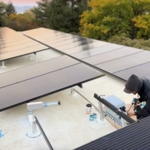
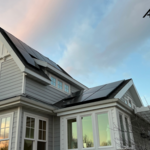
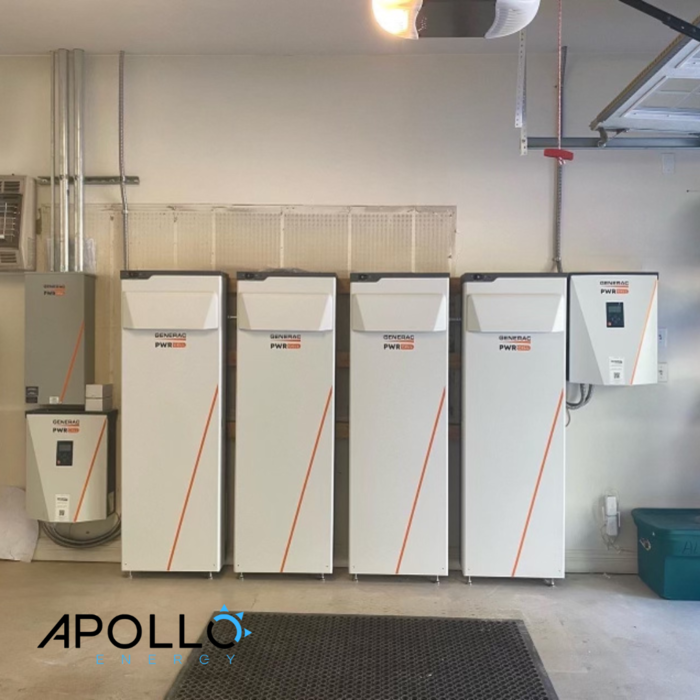
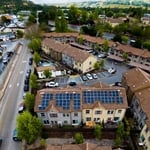
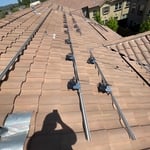
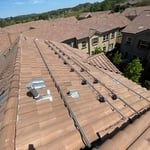
We provide residential and commercial solar power options, and provide support services for industry partner companies. We offer no cost consultations and $0 down financing. Please contact our office for a consultation at (931)922-8258.
"My experience with Apollo Energy was amazing. They took care of the issue with my inverter quickly and they were very responsive. Would highly recommend!"
We are a locally owned and operated company. We value honesty and integrity in all aspects of our business. We offer a variety of home improvement services that are customized to each individual project. We pride ourselves on the quality of our work, as well as our commitment to outstanding results. We look forward to building lasting relationships with our clients and guarantee your satisfaction!
We are committed to excellence in every aspect of our business. We uphold a standard of integrity bound by fairness, honesty, and personal responsibility. Our distinction is the quality of service we bring to our customers. Accurate knowledge of our trade combined with ability is what makes us true professionals. Above all, we are watchful of our customers' interests and make their concerns the basis of our business.
\nMainly use Wire transfers - do financing with customers as well.
\nWith Financing offer 12 months no payments.
\n
Arrow Plumbing and Rooter is owned and operated by David Sproed. David provides the best in quality workmanship and customer service. Please call today for all your plumbing needs.
It’s possible that installing solar panels can lead to mold on the roof. The panels themselves are not the issue. Problems caused by improper installation—such as roof leaks and mounts that aren’t sealed properly—can cause mold. Another potential cause of mold is debris accumulation under panels, which can trap moisture. If you live somewhere with extreme snow, rain, or hail, your home could be more prone to mold.
In most states, solar installers need to be licensed and insured as solar professionals, although some states don’t have specific requirements for installers. You can use our state licensing tool to check if an installer you’re considering hiring holds the proper licensing. No matter where you live, a member of your solar panel installation company must be a certified electrician to connect your panels to your home and the electric grid.
Yes, you can connect an inverter directly to your solar panels without solar battery storage if your home is connected to the power grid. However, most pros don’t recommend a direct connection because solar panels don’t put out steady voltage. It’s always best to install a charge controller between your solar panel and your inverter to regulate the flow of energy and ensure a stable power supply.
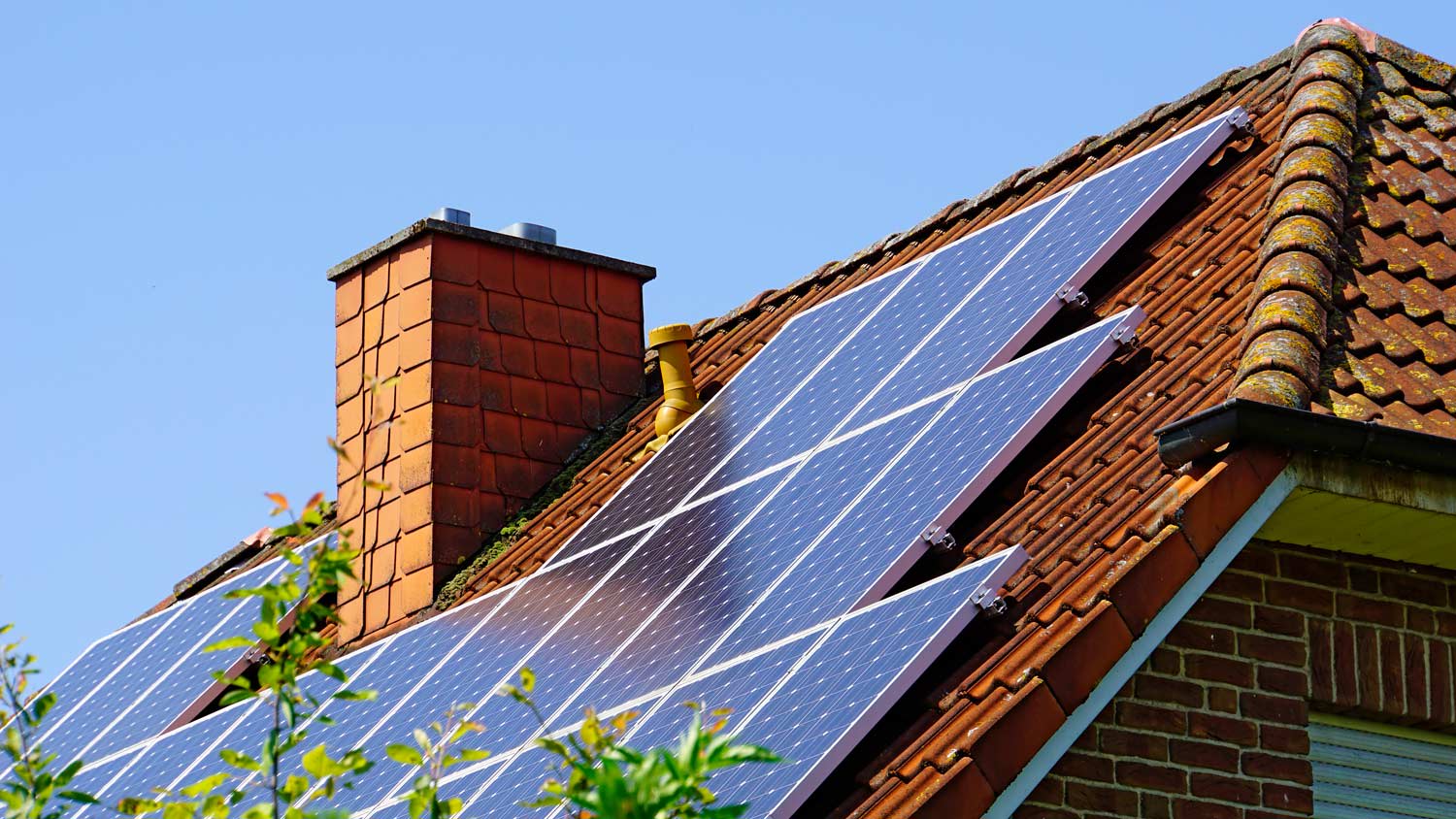
Ideally, you want to place them facing true south. This is different from what a compass shows, which is called the magnetic south. You can find true south by using an online calculator as long as you know the longitude and latitude of your property. Solar panel placement is key to maximizing the energy you generate, so this is an important step.
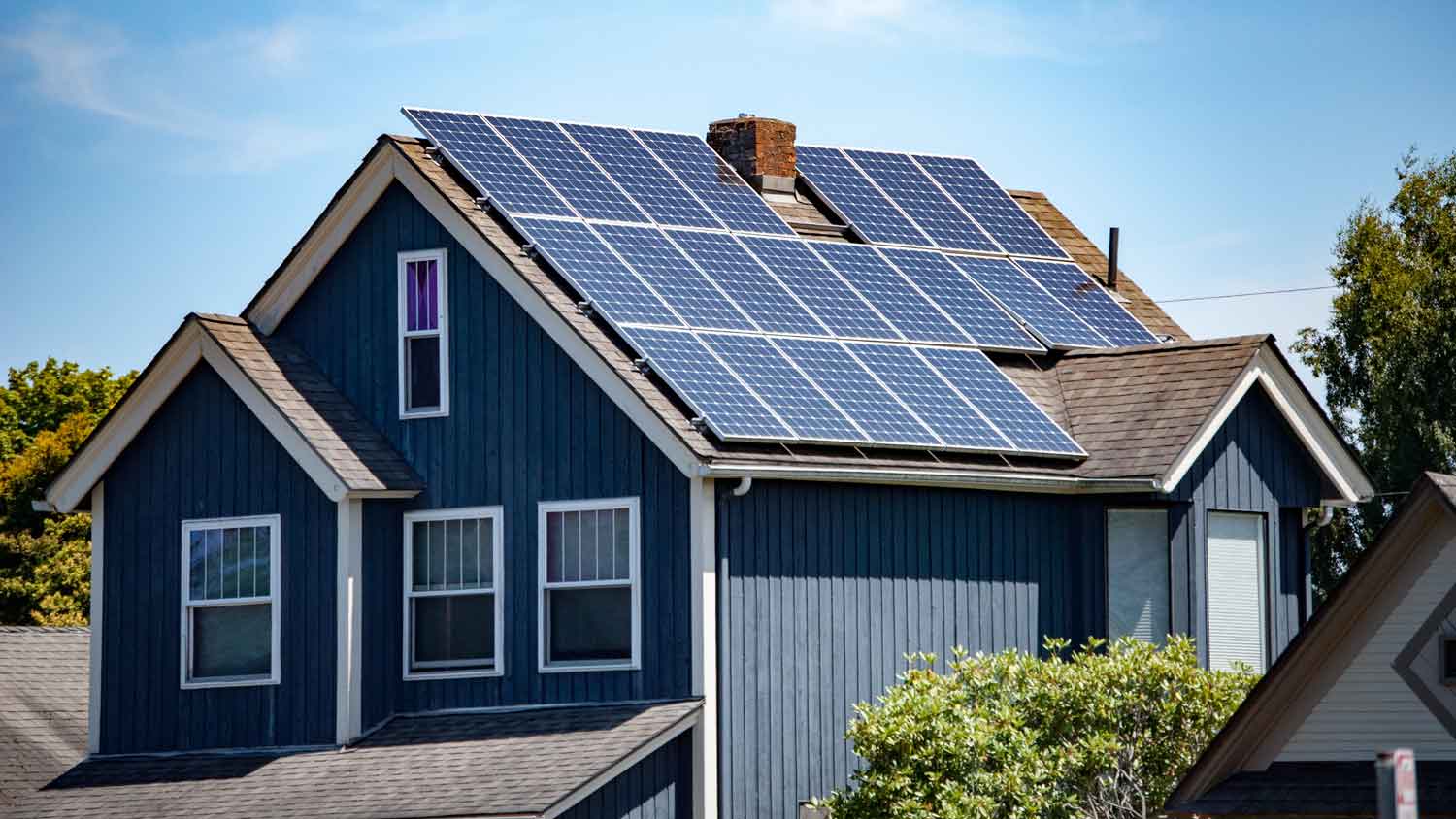
The average homeowner needs around 22 solar panels, but the exact number depends on your monthly energy consumption. Your solar professional should size your array to offset your consumption, meaning you’ll need fewer panels if you use below-average amounts of electricity, or more than 22 if you use above-average amounts of electricity. The number of panels also depends on the output of each panel. The average is around 400 watts, but you might need more panels if you install less capable equipment. Since there are so many variables, you should have a professional size your system.
The Wamsutter, WY homeowners’ guide to solar panel services
From average costs to expert advice, get all the answers you need to get your job done.
Find out how much it costs to remove solar panels, including average prices, key cost factors, and tips to save money on your solar panel removal project.
Discover solar panel maintenance costs, including average prices, cost factors, and tips to save, empowering you to keep your solar system running efficiently.
There are three types of solar panels: monocrystalline, polycrystalline, and thin-film. Before choosing one for your home, here are the pros and cons of each.
If you’re making the switch to solar energy, you’ll want to know the difference between solar panels versus solar shingles. Here are the pros and cons of each.