The best time of year to remove bats is autumn until spring. In fact, many states have restrictions on bat removal, mandating it to start sometime in August and go up until May. For some states, the removal period stops in March. Your pest control pro should know of any restrictions and can help you pick an optimal time for removal.
Yes, professionals use humane and safe methods. Inform your provider of any specific concerns before treatment.
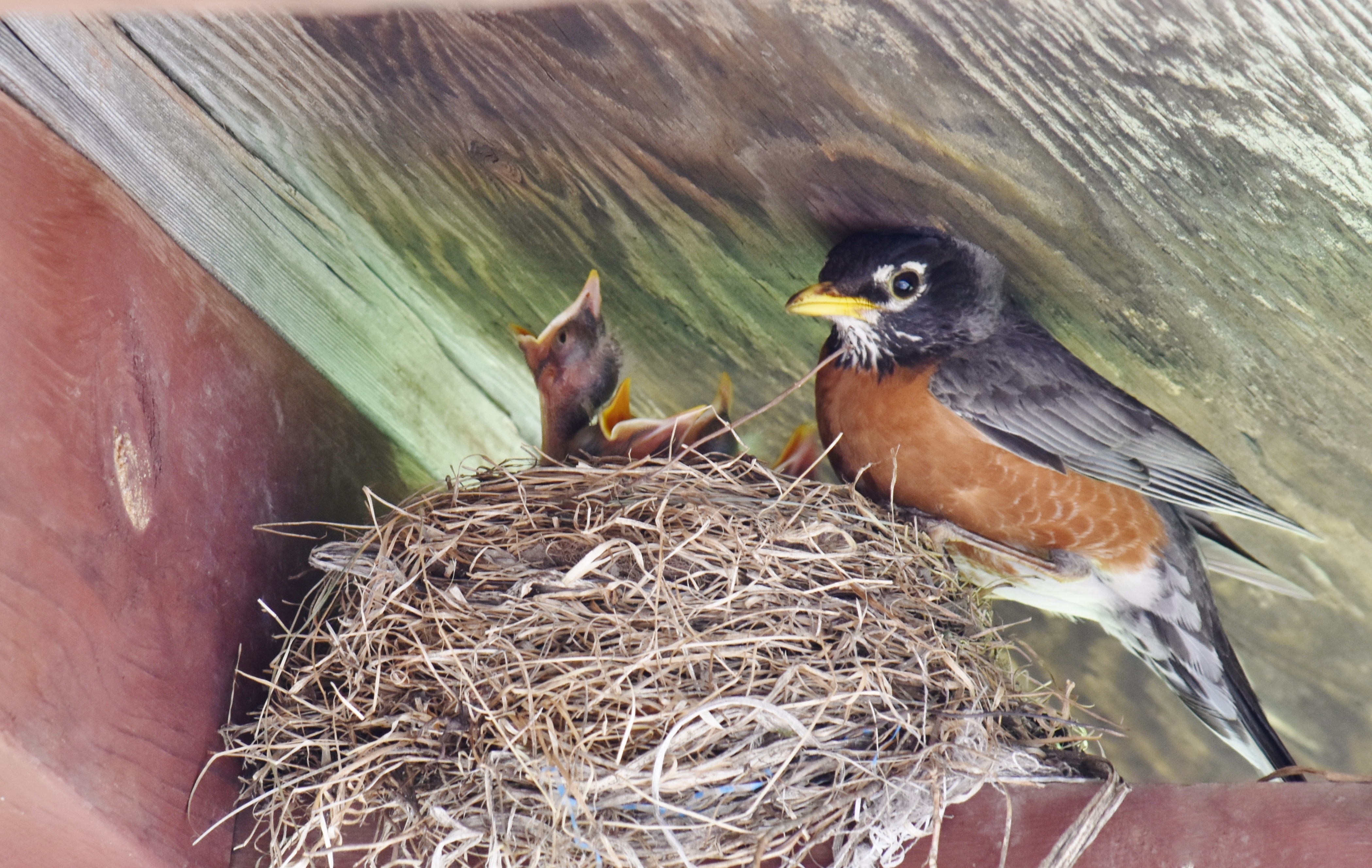
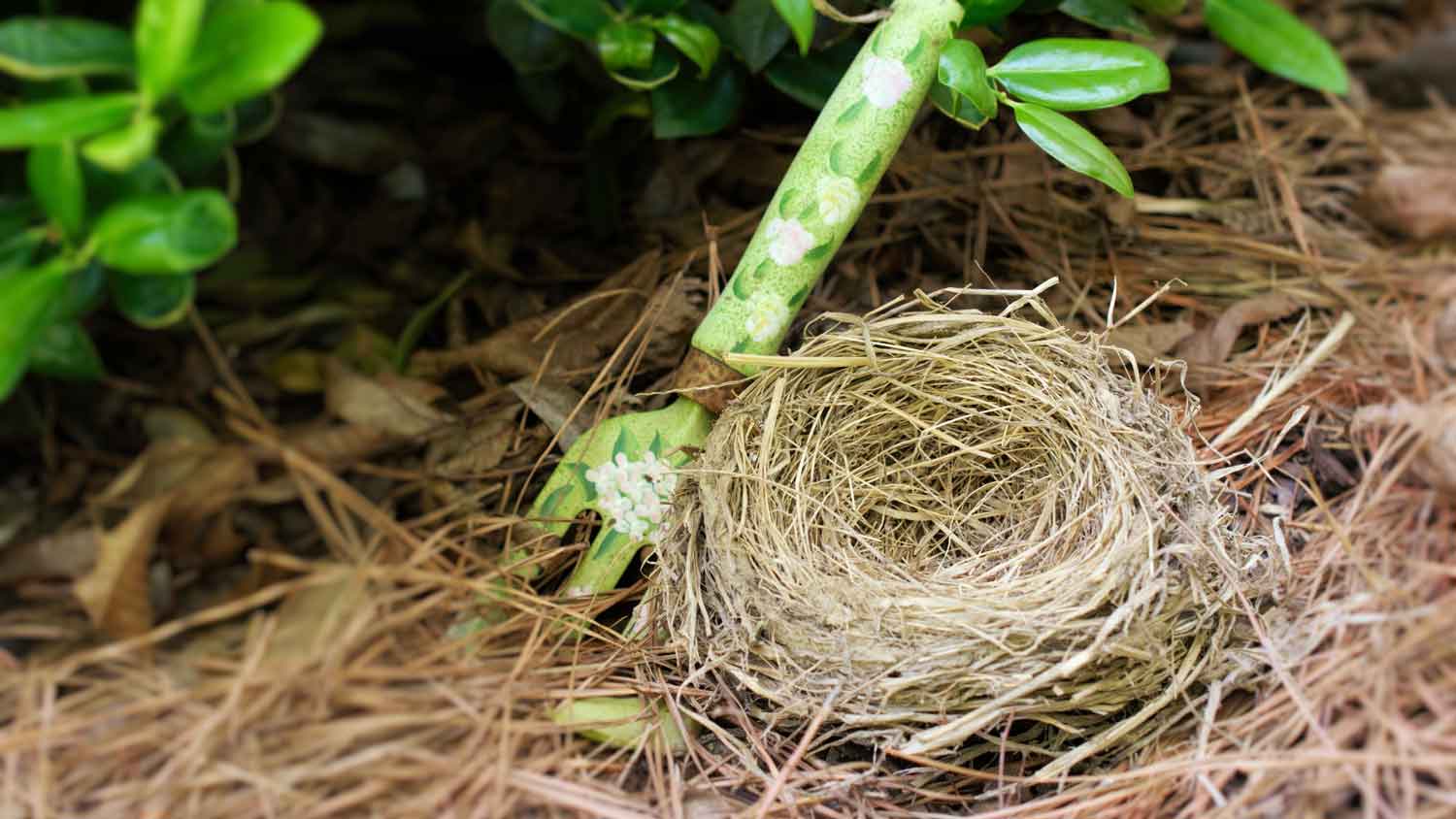
The lifespan of a bird's nest depends on the species. The building process can take from two days to three weeks. Once built, the nesting period for baby birds can last from two to ten weeks before they leave the nest. While most young birds are ready in two to six weeks, some predatory species may need up to two and a half months. Some species nest four to five times per year, so a nest could remain in use for several months. For specific information about a particular nest's longevity, it is best to consult a wildlife professional.
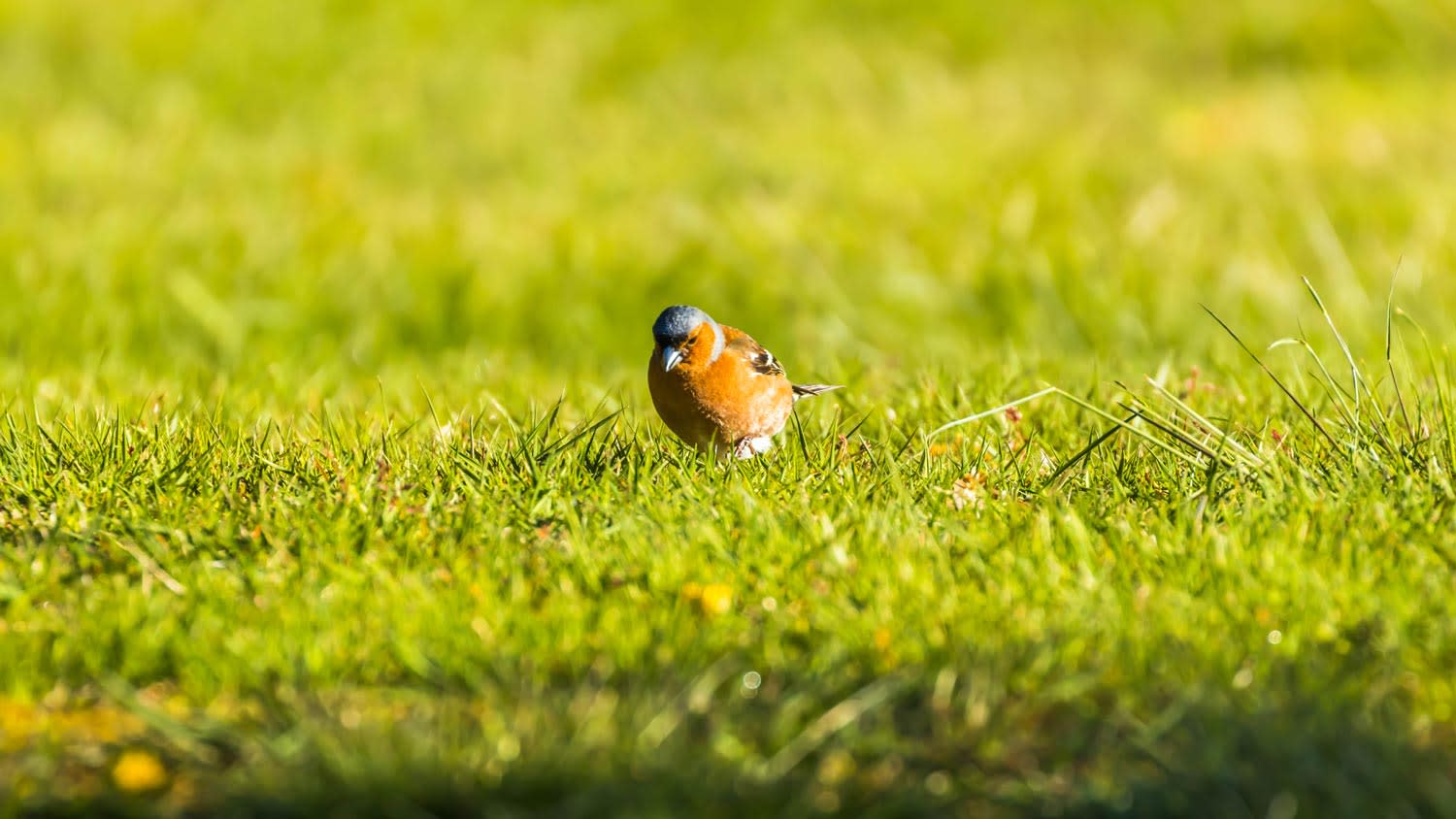
Birds eat grass seed for one simple reason—it’s delicious! The seeds are rich in nutrients such as carbohydrates, proteins, and fats. Seeds are also high in energy, so humans eat trail mix loaded with seeds and nuts for long-distance activities. Grass seed, when unprotected, is also exceptionally easy to access.
Yes, many professionals offer eco-friendly pest control solutions. These services often use non-toxic and environmentally safe products and integrate green practices to ensure effective pest management with minimal environmental impact.
The Recluse, WY homeowners’ guide to bird control services
From average costs to expert advice, get all the answers you need to get your job done.
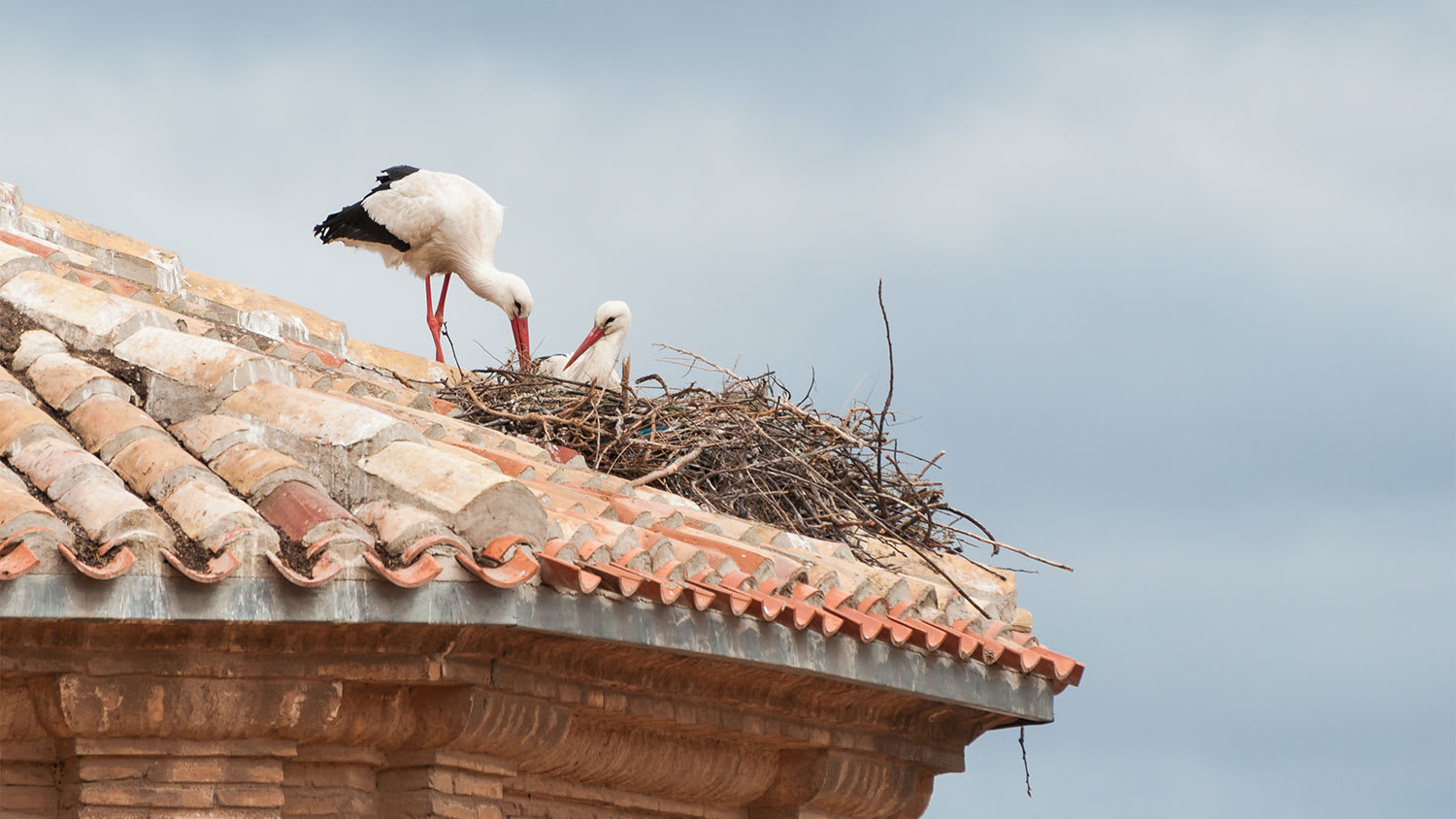
Sometimes birds nest in unwelcome places. Find out how much bird nest removal will cost based on factors like location, bird species, and preventative measures.