

Top-rated bird control service pros.

Best bird control service pros near Dayton, WY

Enter your zip and get matched with up to 5 pros

Need a pro for your bird control service project in Dayton, WY?

Select your specific project to find the pro for you.

Top-Rated Bird control service pros in Dayton - Updated Nov 2026

Bird Control FAQs, answered by experts

No single deterrent will work 100 percent of the time, so we suggest combining deterrents to ensure your seed has the best possible chance to grow. Using bird netting over your seed, with physical deterrents like mylar tape coupled with hanging bird feeders at the edges of your growing area—and removing any bird’s nests, if possible—will give your seeds the best possible chance for success.

Studies indicate that owls don't possess a conventional sense of fear. However, they find intense, sudden human noise unsettling, like clapping or shouting. Additionally, owls are likely spooked by sudden bursts of bright light. While they may not experience fear as humans do, these disturbances can disrupt their natural behaviors, making it essential to minimize such disruptions when sharing spaces with these remarkable creatures.

High-frequency bird repellent devices are effective at driving away birds, which is their intended purpose. However, these devices also tend to have unintended negative consequences. For example, if you or your neighbors own pets, the high-pitched noise emitted by these electronic devices will cause them distress and may even make them aggressive.

To keep animals out, you must prevent them from entering. As long as they can get in, the problem will persist. That said, consider making your attic less inviting using deterrents like motion-activated lights or ultrasonic devices. Additionally, keeping a well-maintained, clean, and uncluttered attic that you regularly inspect for activity may make the space less attractive to critters.

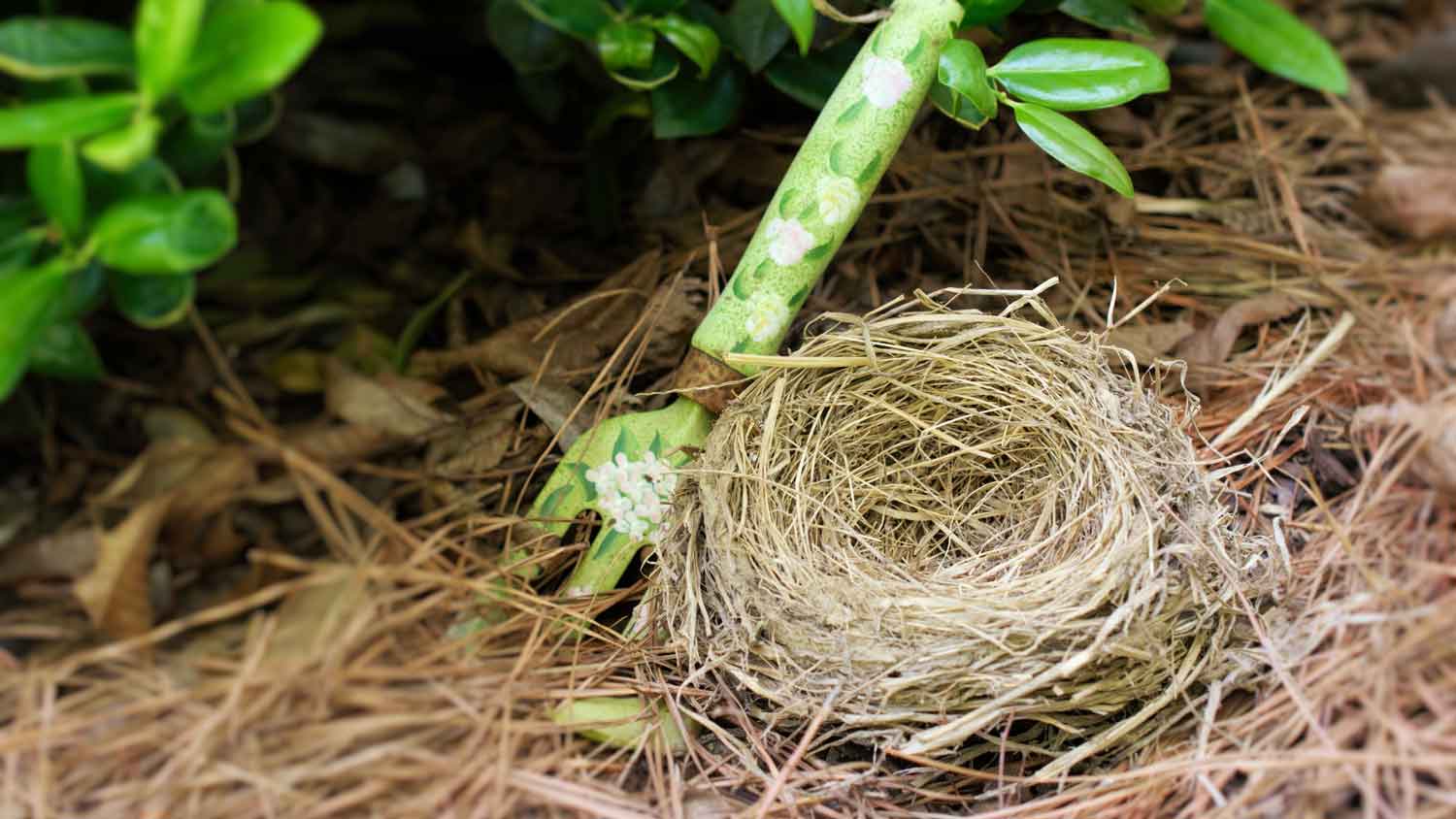
The lifespan of a bird's nest depends on the species. The building process can take from two days to three weeks. Once built, the nesting period for baby birds can last from two to ten weeks before they leave the nest. While most young birds are ready in two to six weeks, some predatory species may need up to two and a half months. Some species nest four to five times per year, so a nest could remain in use for several months. For specific information about a particular nest's longevity, it is best to consult a wildlife professional.

The Dayton, WY homeowners’ guide to bird control services

From average costs to expert advice, get all the answers you need to get your job done.