

Top-rated masons.

Get matched with top masons in Lingle, WY

Enter your zip and get matched with up to 5 pros

Need a pro for your masonry work project in Lingle, WY?

Select your specific project to find the pro for you.

Find Masons in Lingle

Showing 1-10 of 19
Masonry questions, answered by experts

It’s called cobblestone because it’s made of stones that are “cobbed” together. A cob is a term that refers to rounded lumps. Originally, cobblestone streets were made from pebbles and stones gathered from riverbeds that had been rounded over time by the passage of water. The term has nothing to do with a cobbler, which is the term for someone who makes and fixes shoes.
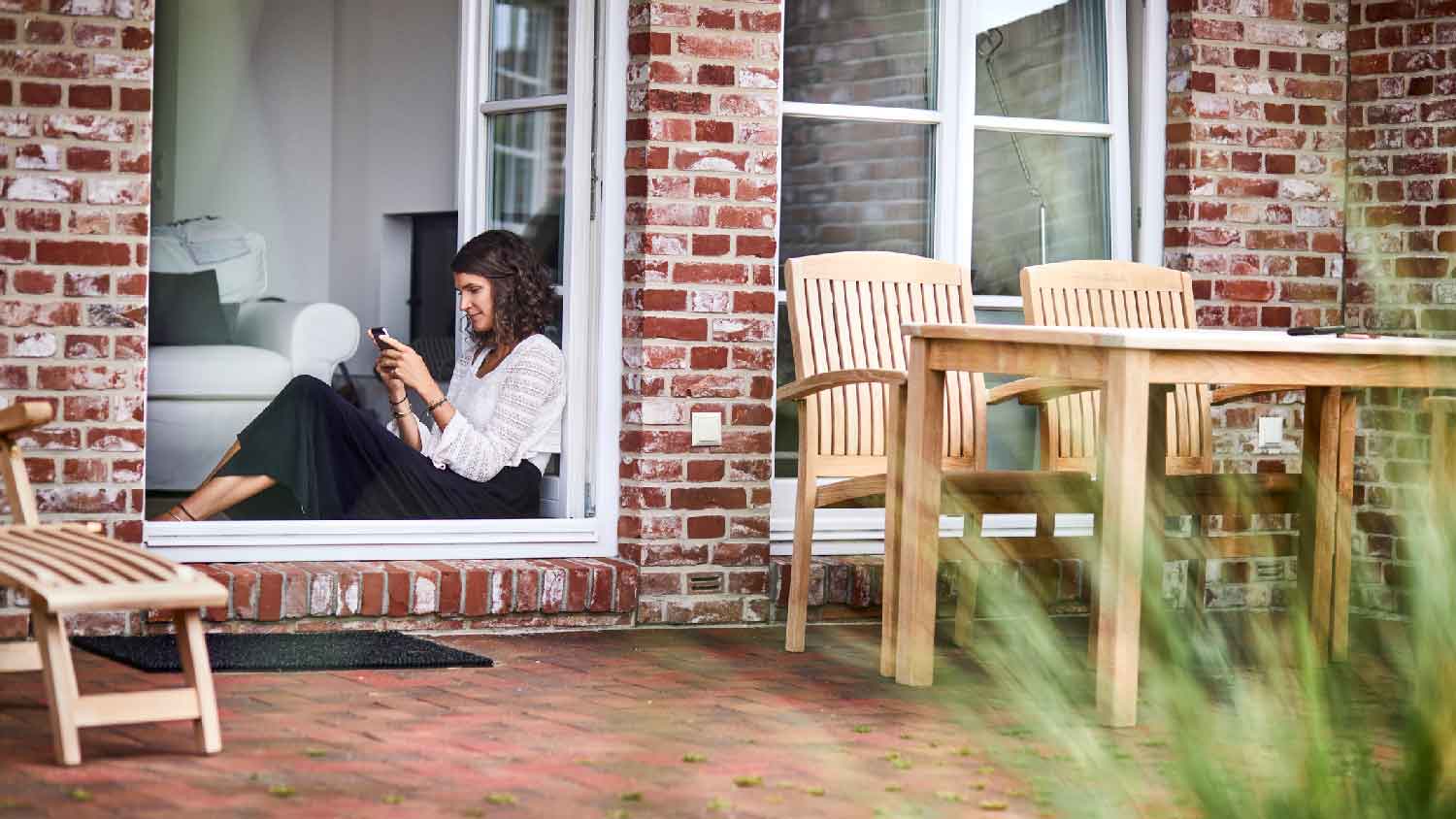
Discoloration ondifferent types of brick can range from harmless to red flag. For example, efflorescence that is caused by a buildup of water-soluble white salt is considered harmless. However, green or greenish-yellow stains are caused by salts that are harmful to brick. Staining can also be caused by rust, corrosion, lime run, soot, algae, or moss.

The best tool for drilling into brick or mortar is a rotary hammer drill which is a large hammer drill with low rotation speed and high torque. Regular drills with a hammer function are also excellent tools for drilling into brick when the diameter of the hole is 1/2 inch or less. It might be possible to drill into brick with a standard drill if you’re only drilling a very small hole, but note that masonry work will put a lot of wear on a standard drill, and the tool may not be strong enough to get through brick.

When painting brick, each application method has distinct advantages and disadvantages. Spraying is significantly faster but may not penetrate deeply beyond the surface layer. Rolling is effective for working paint into the brick's texture but can be less effective on mortar joints. If you opt for a roller, choose a thick nap of at least a half-inch to ensure paint gets into all the crevices for even coverage. Using a brush is generally not recommended as it is very time-consuming and provides poor surface penetration. Ultimately, a combination of spraying followed by back-rolling is often the best strategy for a durable and even finish.

Mortar is a mixture of sand and cement that binds materials, such as bricks, stones, and concrete blocks, together. Think of it as the glue that fills in the gaps between bricks and stones, then seals them in place to prevent damage or deterioration. Mortar also helps spread the load across a wall or structure, keeping cracks and shifting at bay.

The Lingle, WY homeowners’ guide to masonry services

From average costs to expert advice, get all the answers you need to get your job done.