"Michael is located in Gillette and we are n Casper. His bid was hundreds less than other ones we received, even with driving back and forth daily. Michael is very knowledgeable about painting products. He painted our steel sided home, the front brick and our fiberglass door. His work was very professional and our home turned out beautifully! His contact with us was very thorough, with him calling every morning to let us know what time he would arrive. The Painting Doctor is the best painting contractor we have ever used!"
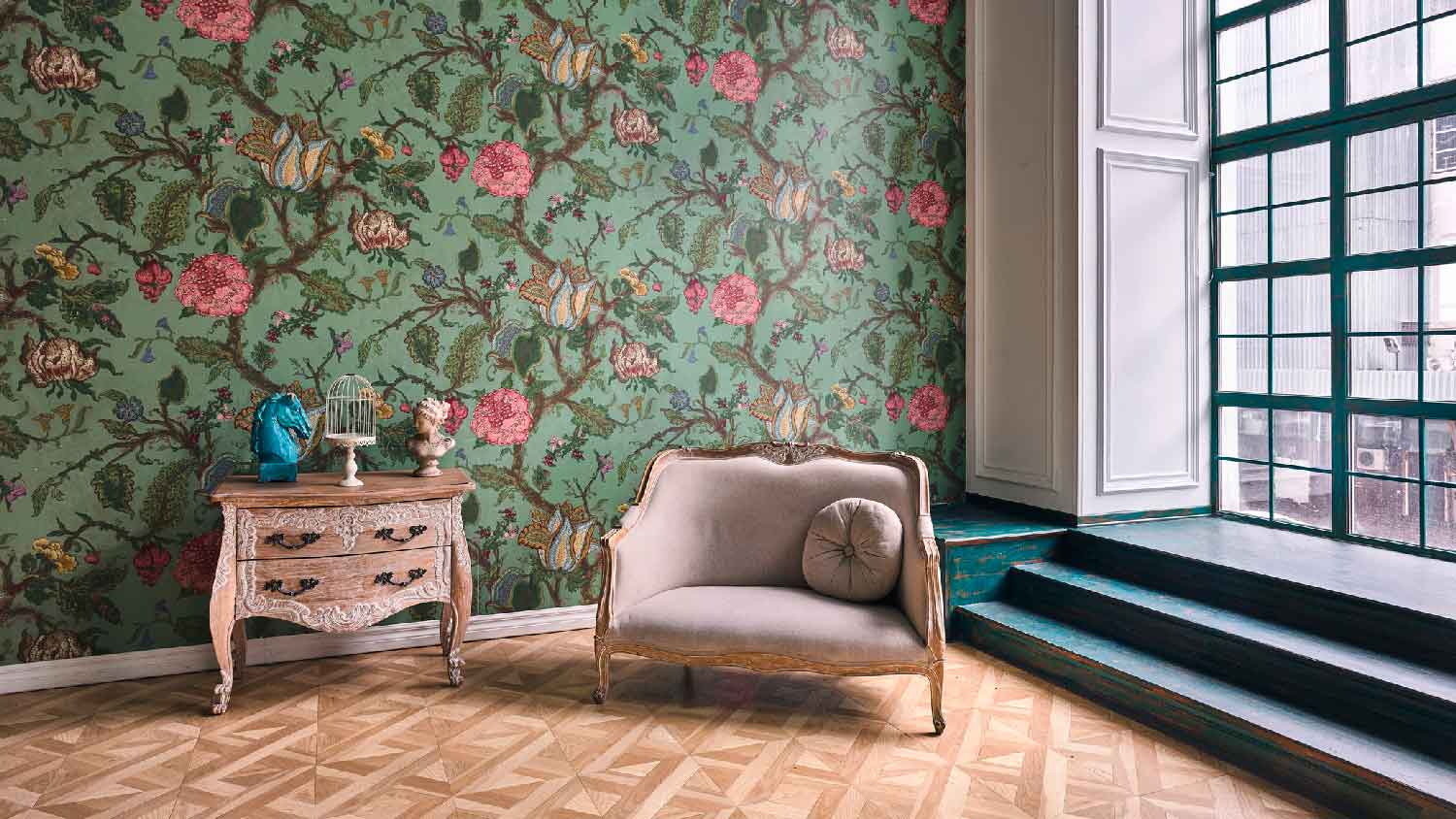
Accent walls can feel out of place or distracting if not well designed. Accent walls that don’t fit in with a room’s style can feel jarring or overpowering. Some accent wall styles can also feel dated, but fortunately, it’s easier to update a single wall than an entire room.
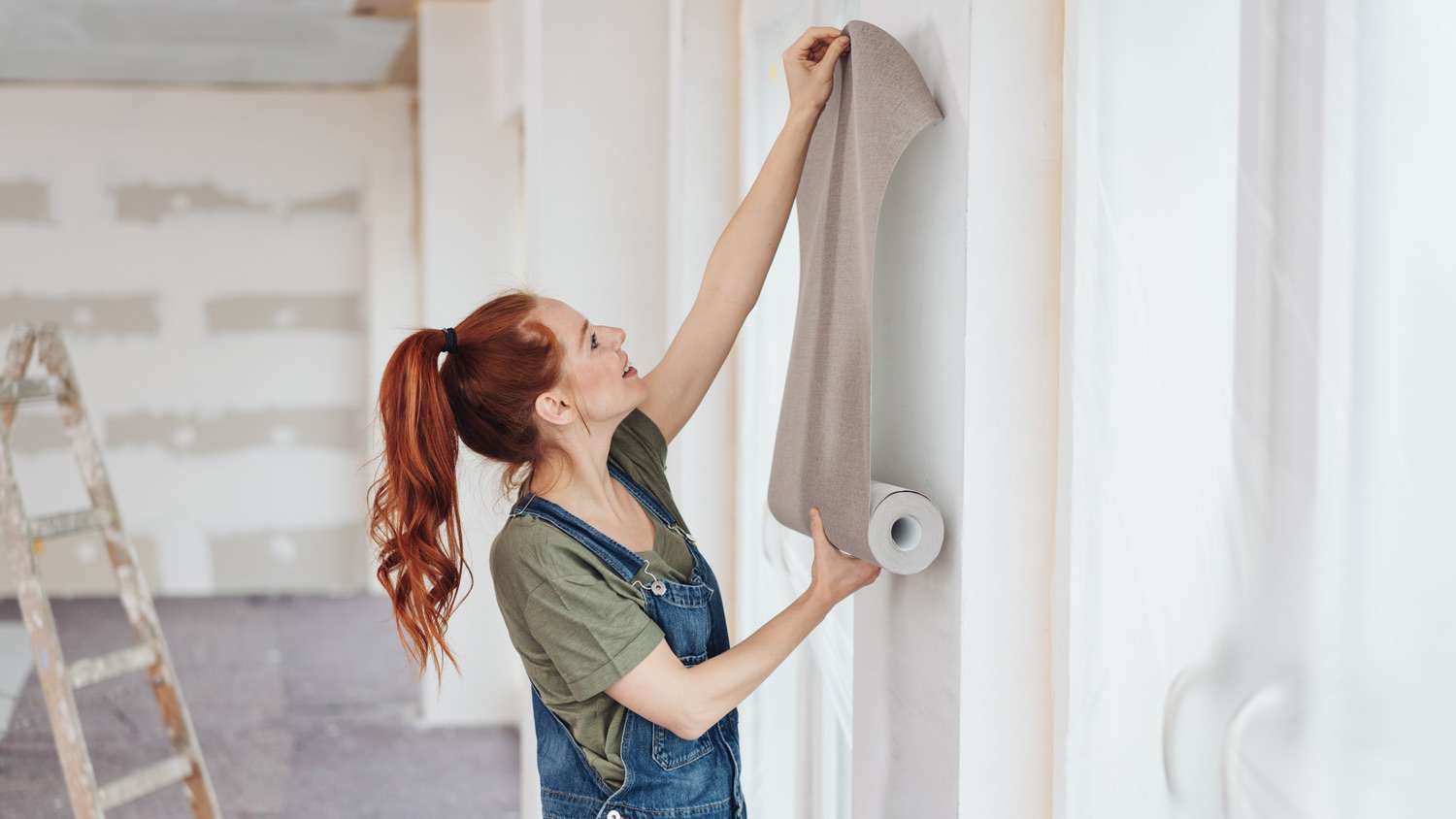
To determine how many rolls of peel-and-stick wallpaper you need, measure the square footage of the walls you’re covering and divide that by the square footage that each roll covers. Add 10% to 20% of your total square footage to account for pattern matching or damage while installing.
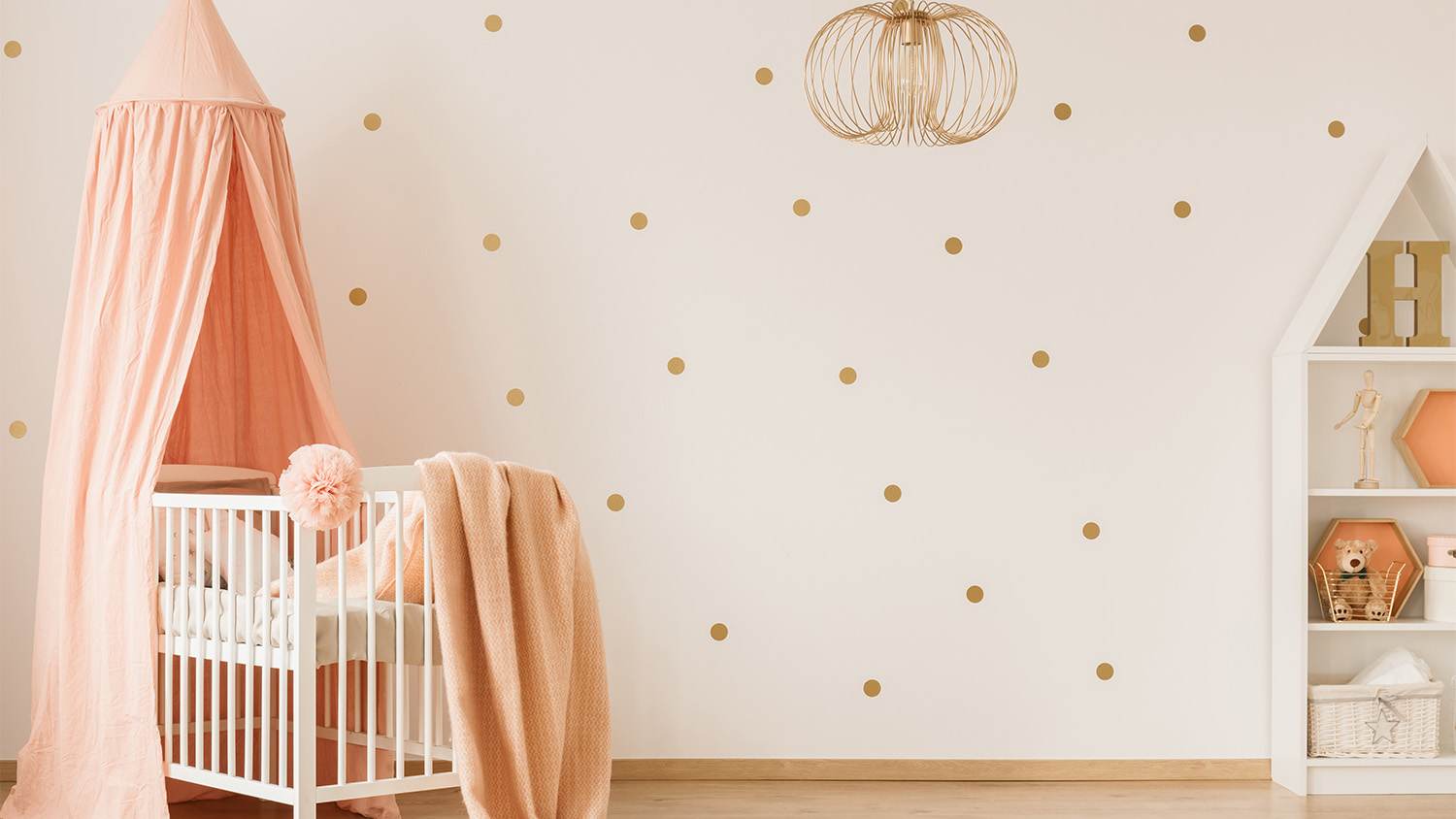
To pair a unique sense of style with white walls, keep them well-decorated. Hang vibrant art or bold furniture to add color to the room. Add some texture and greenery to the space with plants. Choose accent pieces such as throw pillows or light fixtures with patterns. Having a white wall can be a plus as it allows homeowners to easily decorate their homes as they desire without worrying about clashing with the paint color.
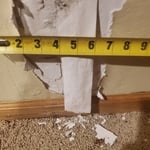
Peel-and-stick wallpaper is designed to be removed without damaging walls, making it a good choice for renters or temporary design changes. However, damage to paint or drywall can occur under certain conditions. To prevent issues, the wall surface must be properly prepared before application—it should be clean, smooth, dry, and correctly primed or painted. Applying wallpaper to a freshly painted surface can cause the paint to peel off during removal. Additionally, removing the wallpaper too quickly or aggressively can also cause damage. For best results, always follow the manufacturer's instructions for both application and removal.
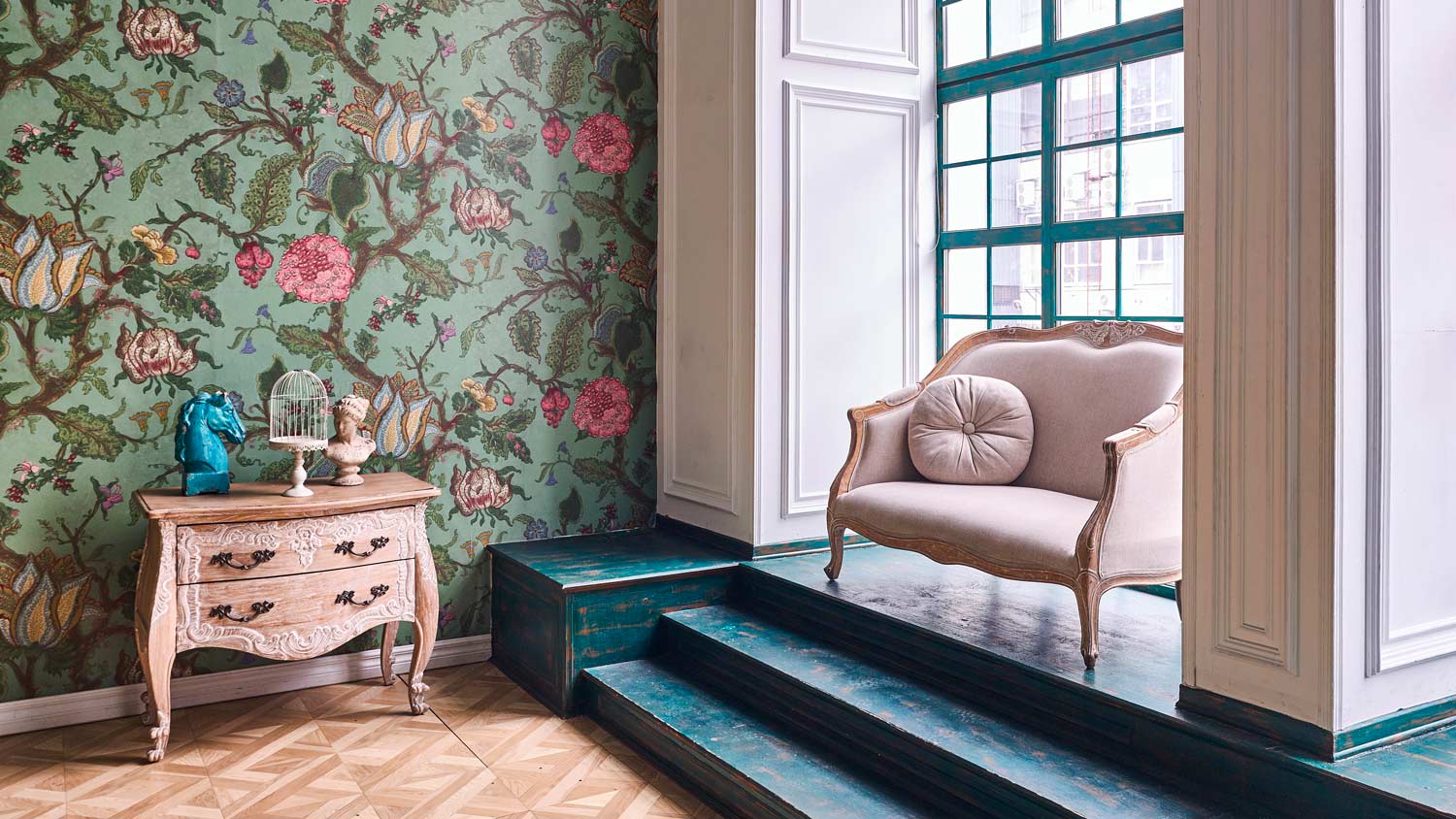
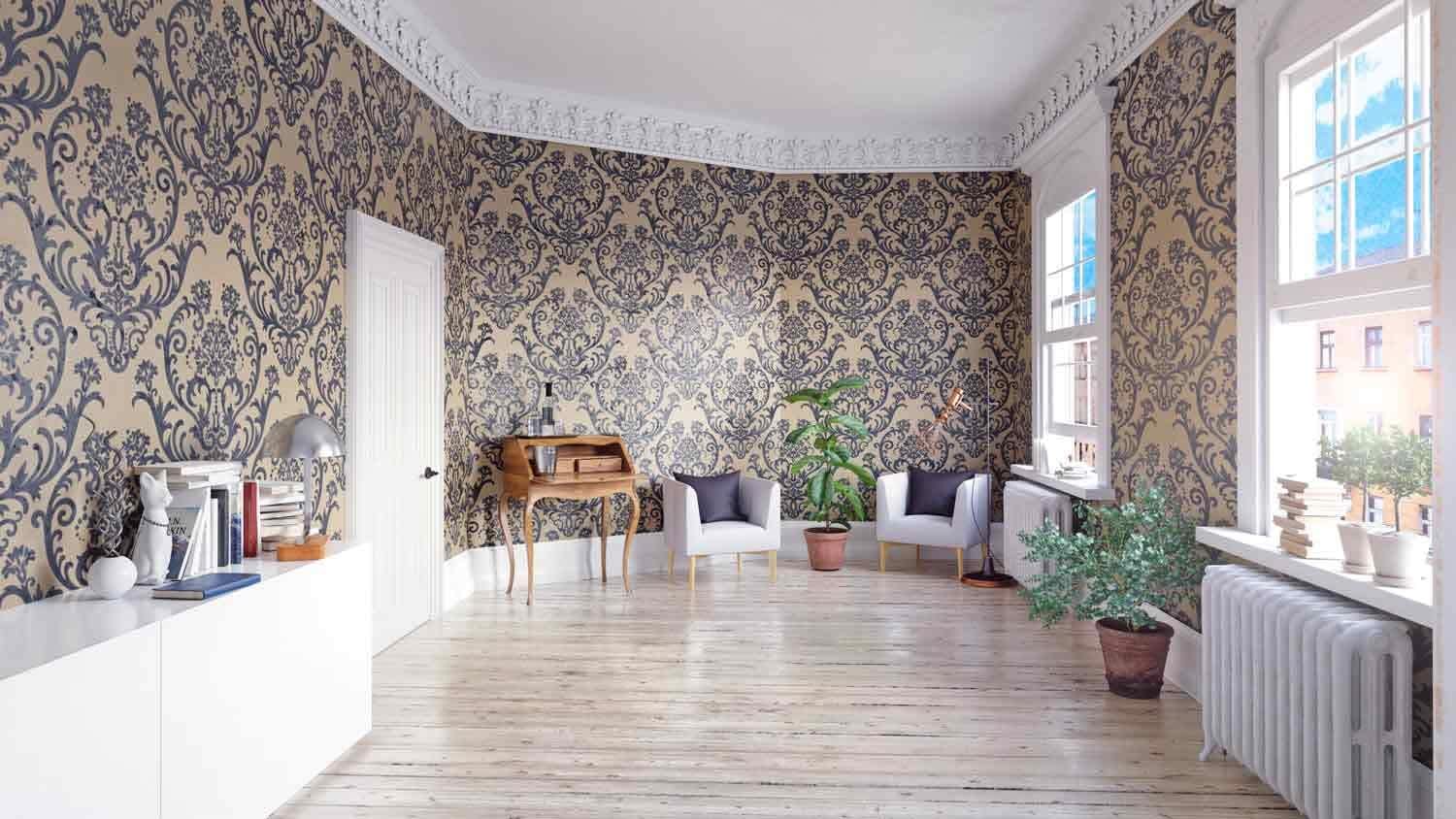
Textured or patterned vinyl wallpaper designs are the best option for hiding imperfections. Embossed designs or faux finishes like brick, wood, or linen textures are especially effective at camouflaging dents, cracks, or uneven surfaces. Avoid smooth, shiny finishes, as they can highlight flaws rather than conceal them.
The Kaycee, WY homeowners’ guide to wallpaper services
From average costs to expert advice, get all the answers you need to get your job done.
Discover wallpaper installation cost. Learn about material, labor, and project factors to estimate your budget and make informed choices for your home.
Whether you can put wallpaper over wallpaper depends on the type of paper you’re using and the condition of the existing surface. Learn more with this guide.