"I only use James when I need some work done to my house. He responds fast, gets the work done quicker than just about anyone else I've ever used and seems very concerned with leaving his customers happy."
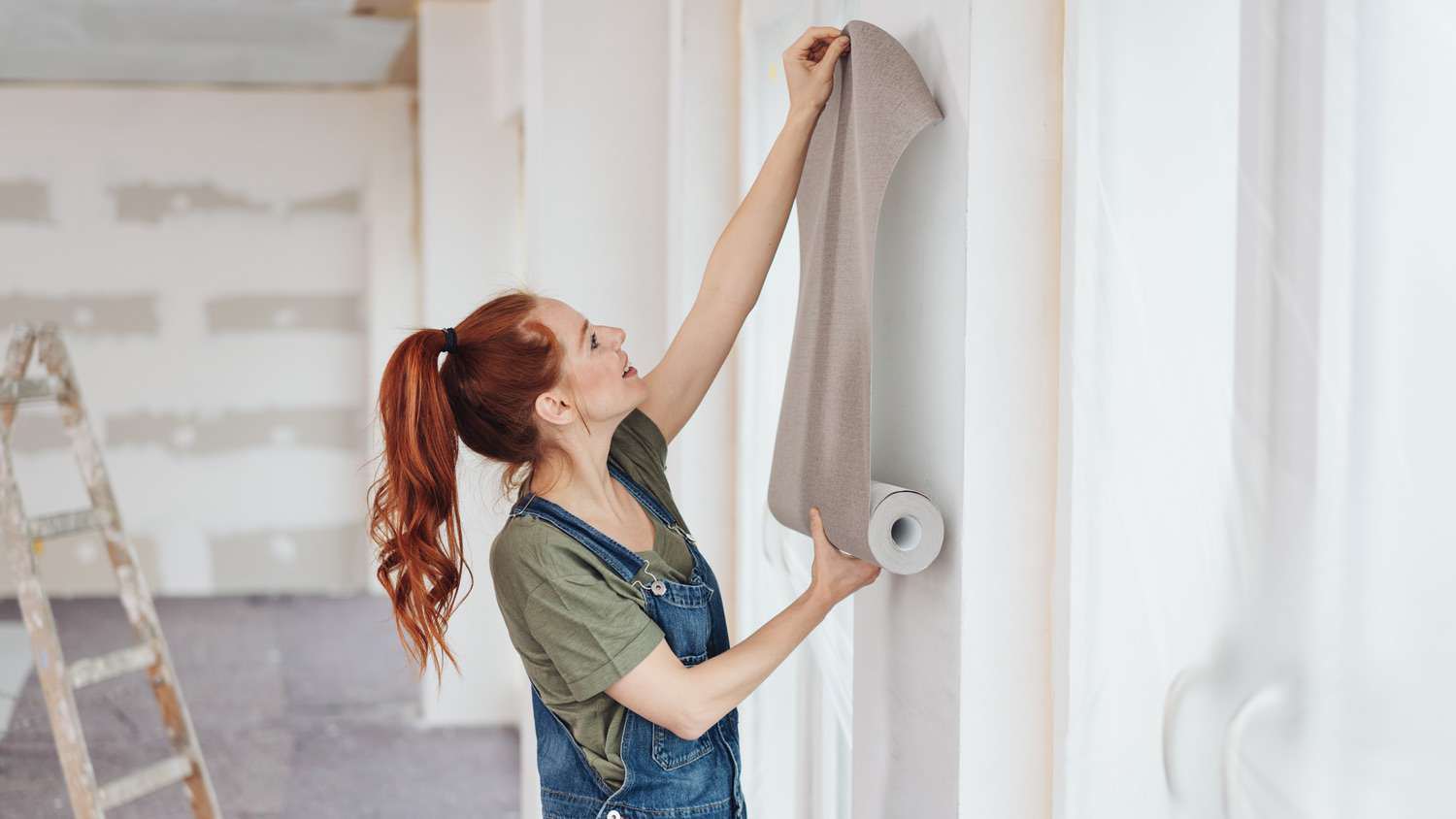
Peel-and-stick wallpaper is designed to be removed without damaging walls, making it a good choice for renters or temporary design changes. However, damage to paint or drywall can occur under certain conditions. To prevent issues, the wall surface must be properly prepared before application—it should be clean, smooth, dry, and correctly primed or painted. Applying wallpaper to a freshly painted surface can cause the paint to peel off during removal. Additionally, removing the wallpaper too quickly or aggressively can also cause damage. For best results, always follow the manufacturer's instructions for both application and removal.
Yes, many types of peel-and-stick wallpaper can be used in bathrooms, especially those made of vinyl or polyester. However, its success depends heavily on the level of moisture and ventilation. In bathrooms with good ventilation, such as those with fans, it can be a durable option. Peel-and-stick wallpaper may not adhere as well as traditional wallpaper in very humid conditions. For bathrooms that see a lot of moisture, like a kids' bathroom or a full bath with a steamy shower and poor ventilation, even high-quality peel-and-stick wallpaper is likely to peel over time.
Walls should be as smooth as possible before applying peel-and-stick wallpaper. Although you technically can apply wallpaper on textured walls, the peel-and-stick variety won’t last long without a clean, smooth surface for the adhesive to stick to. If you have textured walls, consult a pro about removing the textured finish before moving forward with wallpaper.
Painting over wallpaper is an efficient way to cover it if it’s in decent shape. Before painting over wallpaper, make sure the surface is clean and smooth. You may have to remove minor problem areas, such as lifted seams or small peels, with a sheetrock knife or putty knife. Add a latex- or oil-based primer to keep moisture at bay before painting. You’ll likely need two coats of paint to cover the area.
No, you don’t always have to remove old wallpaper before applying a new layer. However, you should pull off the existing wallpaper if it’s cracked, peeling, or in poor condition. We’d also recommend against putting wallpaper over textured or dark-colored wallpaper because the old layer may be visible through the new one. In addition, if you try to hang new wallpaper over vinyl-coated wallpaper, the adhesive might not stick properly.
The Shoshoni, WY homeowners’ guide to wallpaper services
From average costs to expert advice, get all the answers you need to get your job done.
Discover wallpaper installation cost. Learn about material, labor, and project factors to estimate your budget and make informed choices for your home.
Whether you can put wallpaper over wallpaper depends on the type of paper you’re using and the condition of the existing surface. Learn more with this guide.