




Top-rated basement waterproofing pros.

Get matched with top basement waterproofing pros in Alpine, WY

Enter your zip and get matched with up to 5 pros

Need a pro for your basement waterproofing project in Alpine, WY?

Select your specific project to find the pro for you.

Find Basement waterproofing pros in Alpine

Avatar for ZR Contracting & Excavation LLC
ZR Contracting & Excavation LLC
4.9(
10
)

Serving Alpine, WY and surrounding areas

In business since 2022

Free estimates

Small jobs welcome

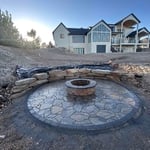
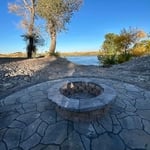
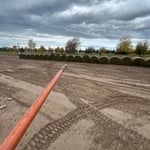
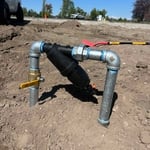
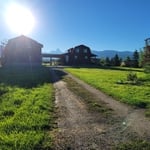
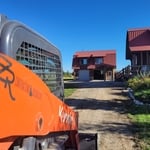
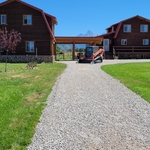
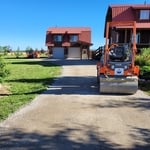
"Jesse worked with us to do the gravel and widen the parking for our trailers/equipment just as we requested. It looks great! We are very happy with the completed project."
Before
Before
After
Compaction
Before

+20

Response time11 hrs
Recommended by100%of homeowners
Avatar for Rock N' Mountain Plumbing, LLC
Rock N' Mountain Plumbing, LLC
5.0(
1
)

Serving Alpine, WY and surrounding areas

In business since 2021

Free estimates

Emergency services offered

We are dedicated to providing our clients with excellent plumbing services and a variety of other projects. With over 15 years of combined experience, we take an enormous amount of pride in the attention of detail put into each of the projects we are involved in. We are known for our quality work and the integrity of our business practices. We look forward to building long-term relationships with our clients and guarantee your satisfaction. Call us today for a free quote!

Recommended by100%of homeowners
Showing 1-10 of 16
Basement Waterproofing questions, answered by experts

Some disadvantages of crawl spaces are mostly regarding the air itself—moisture build-up and poor ventilation, which can cause problems both in the house and underneath it, even damaging the foundation itself. Crawl spaces are difficult to access and often invite unwanted pests during the hot summer months and the cold winter ones. These hard-to-seal spaces are also susceptible to water damage during periods of heavy rain or melting snow.

A walkout basement is considered to be partially below grade because at least one wall is entirely exposed. In some cases and in specific municipalities, inspectors and appraisers will still count walkout basements as below grade, which means the space can’t serve as living space or be rented out. If you intend on using the area as living space or a separate apartment, you should check with your local building department to make sure it’s legal to do so.

Sandbags are the most common and efficient way to create a flood barrier at home. Some local authorities pass them around to homes before the risk of a flood. Otherwise, you can use flood-proof house materials, like burlap or woven plastic bags, to make sandbags and fill them with sand or cat litter. Make sure that when you stack them, they’re tightly laid on top of each other, creating the effect of a firm wall against accumulating water.

Ductwork sweats due to a temperature difference between the air inside the ducts and the surrounding air, similar to how a cold drink develops condensation in the heat. This sweating is a sign that your HVAC system is not operating at peak efficiency. The best way to keep ductwork from sweating is to wrap it in proper insulation, which also improves your system's energy efficiency. Another option is to close off your crawl space and install a dehumidifier to dry the air and lower its dew point.

While a standard gutter system is widely considered the most effective way to prevent water damage to your home's foundation, several alternatives are available. These options can be used on their own in certain climates or as supplementary protection.

Common alternatives include:

  • Rain Chains: These are decorative chains that hang from the roof's edge, guiding rainwater to the ground.

  • Drip Edges: These metal strips are installed at the edge of the roof to direct water away from the fascia. While often used with gutters, they can be paired with a ground-level solution but are typically not sufficient on their own.

  • Rain Dispersal Systems: These systems work by breaking up the heavy sheet of water flowing off the roof, dispersing it over a wider area.

  • French Drains: This ground-level system uses a perforated pipe in a gravel-filled trench to collect and redirect water runoff away from the house.

  • Drip Paths: Placed directly below the roofline, these paths made of concrete, stone, or other materials prevent soil erosion and guide water away.

It's important to note that some alternatives like rain chains and dispersal systems may not be adequate in regions with heavy rainfall because they don't divert water away from the foundation as effectively as a full gutter system. Ground-based solutions like French drains can be very effective but are often more expensive and can affect your landscaping and curb appeal. Many experts recommend installing a full gutter system for maximum protection and using alternatives as supplementary measures.

The Alpine, WY homeowners’ guide to basement waterproofing services

From average costs to expert advice, get all the answers you need to get your job done.