




Top-rated basement waterproofing pros.

Get matched with top basement waterproofing pros in Ammon, ID

Enter your zip and get matched with up to 5 pros

Find Basement waterproofing pros in Ammon

Avatar for Shuler Contracting and Excavation LLC
Shuler Contracting and Excavation LLC
5.0(
1
)

Serving Ammon, ID and surrounding areas

Approved

Free estimates

Credit card accepted

Offers commercial services

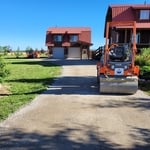
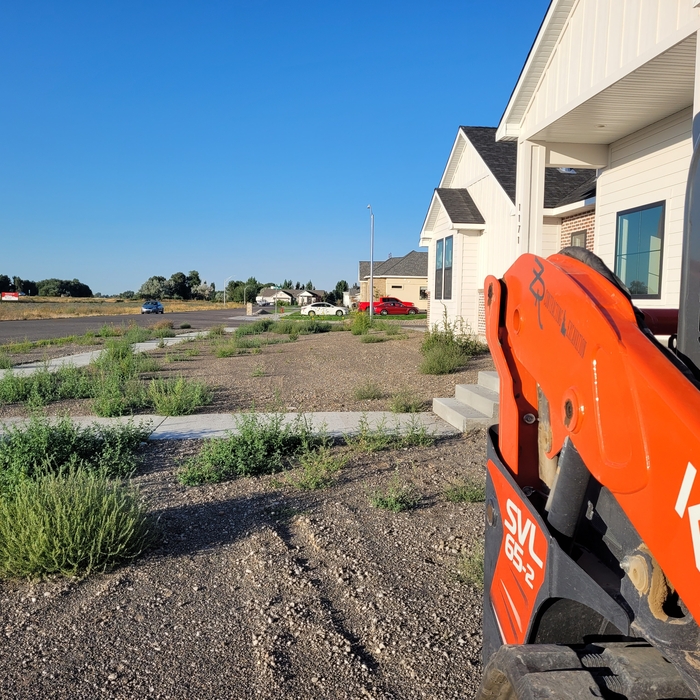
"It was easy to work with incredibly knowledgeable and his craft, set up level, had to take out a retaining wall near my structure was really grateful. He knew exactly what he was doing. Was able to trust the entire process with a large piece of equipment up against the house went flawlessly graded it perfectly level"
Photos
27 neighbors recently requested a quote
Showing 1-10 of 24
Basement Waterproofing questions, answered by experts

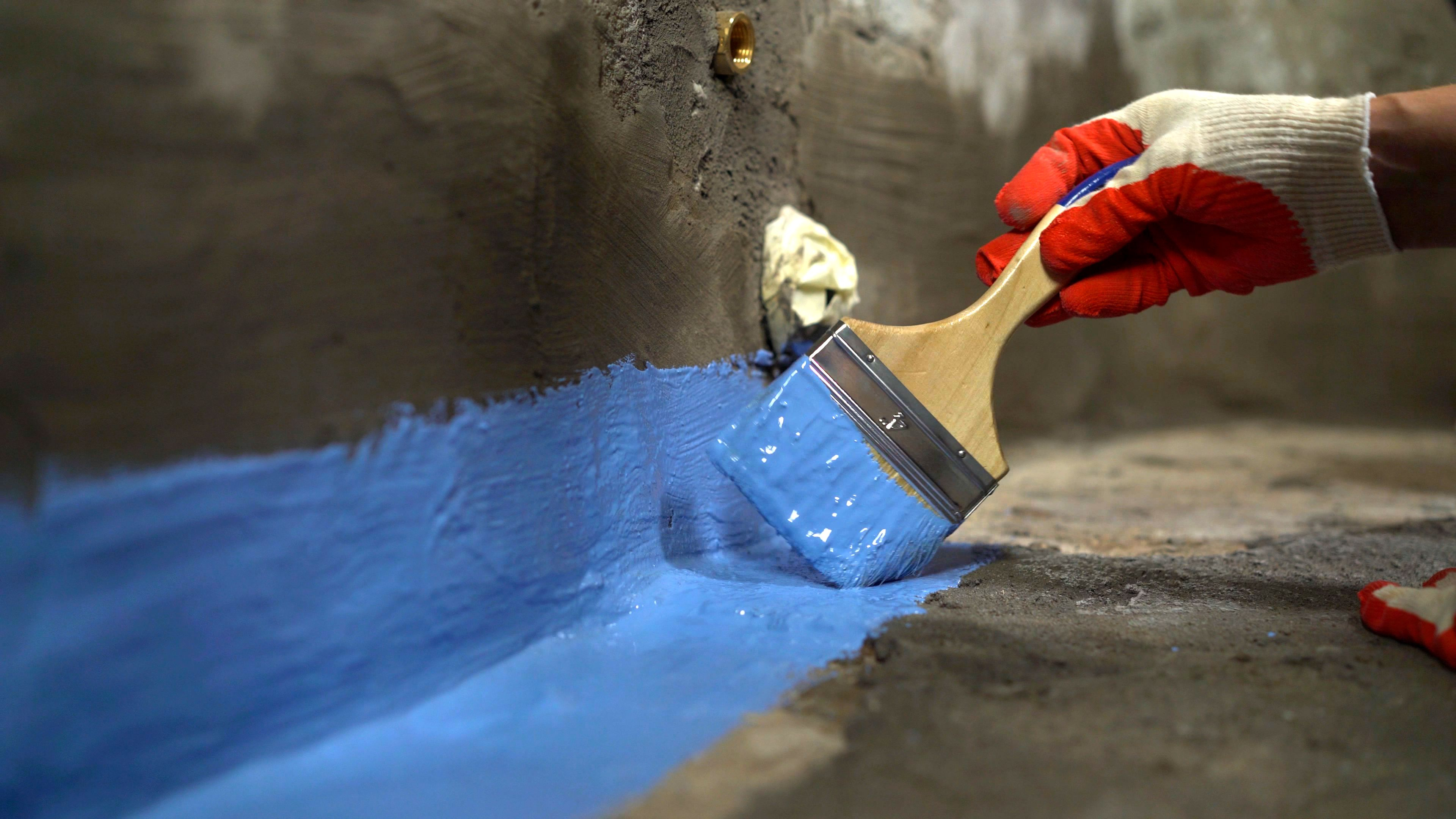
The least expensive basement waterproofing methods include grading soil away from your home, installing downspout extenders on your gutter system, and applying a waterproof paint on the interior of the foundation walls. Installing a French drain is a relatively inexpensive method if you do the work yourself, although it’s labor-intensive and can be challenging to install properly.

The cost of basement waterproofing is $4,950 for the average homeowner. However, you could end up paying between $600 and $14,000, depending on factors like basement size, waterproofing method, and the region you live in. 

If you live in an area with heavy rainfall, you might be paying more for waterproofing than if you lived somewhere drier since waterproofing contractors would be in high demand. Likewise, a 500-foot basement costs between $2,500 and $5,000 to waterproof, but that price rises significantly for a larger basement.

Standard homeowners insurance policies may cover basement water damage or flooding, but only if it is caused by a sudden and accidental event that is a covered peril, such as a burst pipe or a failing appliance. Damage caused by natural flooding from extreme weather, groundwater seepage, or heavy rain is typically excluded and requires a separate flood insurance policy. Some insurers also offer an optional water backup endorsement for issues like sewer backups. Review your policy or speak with your agent to understand your specific coverage.

Ideal humidity conditions generally range from 30% to 50%, with 45% considered optimal humidity for most homes. If your humidity levels drop below that range, you can turn your dehumidifier off. Additionally, suppose the temperature where the dehumidifier is installed falls below 60 degrees Fahrenheit. In that case, it's best to turn it off and unplug it since cooler temperatures can cause the unit's coils to freeze.

Mold and other fungi love moisture, so the best way to prevent mold growth after water damage is to remove as much moisture as possible. First, find the source of the water or moisture, such as a leak or clogged gutters, and correct the problem. Next, remove standing water, vacuum up puddles with a shop vacuum, and run blower fans and dehumidifiers for 24 to 72 hours. Once you've removed all traces of moisture, disinfect the area using either vinegar or bleach to kill any remaining mold spores.

The Ammon, ID homeowners’ guide to basement waterproofing services

From average costs to expert advice, get all the answers you need to get your job done.