


Top-rated excavation pros.

Best excavation pros near Washington, WV

Enter your zip and get matched with up to 5 pros

Need a pro for your excavation project in Washington, WV?

Select your specific project to find the pro for you.

TRUSTED BY WASHINGTON, WV HOMEOWNERS

  • Average homeowner rating star icon4.8
    Average homeowner rating
  • Verified reviews icon22
    Verified excavation services reviews

Top-Rated Excavation pros in Washington - Updated Nov 2026

Avatar for Adkins Plumbing
Adkins Plumbing
4.3(
48
)
Building Site - Preparation and ClearingBuilding Site - Preparation and Clearing - For BusinessExcavation - Major Grading or Resloping+2 more

Serving Washington, WV and surrounding areas

Free estimates

Emergency services offered

Credit card accepted

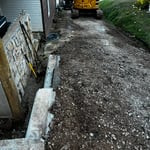
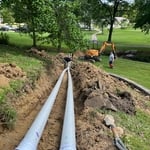
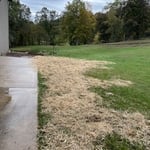
"Excellent Service. Jared and his crew were very professional, walked through the entire install prior to work. The excavation was performed with care to our property, they reseeded the grass afterwards. They permanently marked were each fitting along the run is located, so we know where to check if the line leaks years into the future. Professional, Friendly, high Quality. This will be the go to plumbers for all future jobs!"
Plumbing Project
Excavating Project
Plumbing Project
Plumbing Project
Plumbing Project

+4

Recommended by82%of homeowners
RADARS EXCAVATING, LLC
5.0(
1
)
Excavation - Major Grading or Resloping

Serving Washington, WV and surrounding areas

In business since 2000

Free estimates

Credit card accepted

"Recently purchased a new home, previous owners left a dangerous drop off and this company not only fixed the problem within a timely manner they also were polite, personable and reliable. I highly recommend this company for any excavating work. Radar Excavating is the only company I use for any further work."
Recommended by100%of homeowners
Showing 1-10 of 25
Excavating FAQs, answered by experts

Septic drain lines (or leach lines) are typically buried between 18 and 36 inches underground, and should be at least 6 inches below the surface. These pipes are perforated and surrounded by filtering materials like sand or gravel. Burying the lines at this depth helps minimize odors and allows bacteria and other biological processes in the soil to effectively treat the wastewater. Burying lines too close to the surface can cause issues unless the soil is very compact and stable.

After you successfully remove your boulder, you have a few options for what to do to get rid of it. You can rent a dumpster if your yard has many boulders or if you’re planning a larger project. You can even save the boulder and reuse it elsewhere on your property to save on landscaping costs. A few ideas include using the boulder as a natural, abstract statue, breaking it into smaller pieces to line your garden bed, or offering it to a landscaping company that could reuse it for another project.

The best method for digging a trench depends on the scope of the project. For a short, shallow trench (less than 2 feet deep) in light, soft soil, digging by hand may be sufficient. However, digging by hand is labor-intensive, so consider the effort required. A machine trencher is the better option for longer trenches (over 100 feet), deeper ones, or when dealing with difficult soil conditions, such as rocky or hard ground, or obstructions like tree roots. A machine can save significant time and energy in these situations.

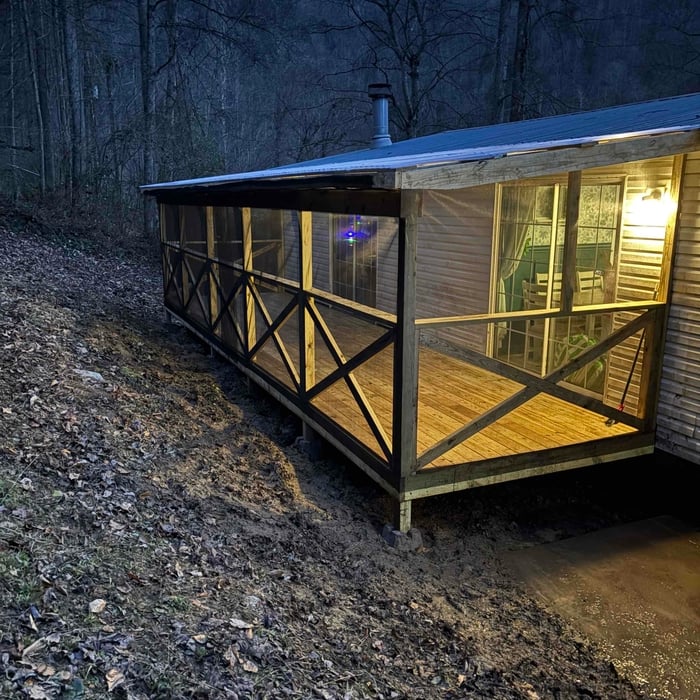
You do not have to dig footers for a deck as long as it meets local code and holds up to weather in your area. If you live somewhere that experiences high winds and earthquakes, you may need to dig for your deck posts. Deck blocks, post anchors with base plates, and helical pile systems are the three no-dig deck post options you can choose from if local code permits.
Professional installers often include a deep layer of crushed gravel under permeable pavers to allow more runoff to soak through into the soil below. Many installations will include multiple layers of gravel, with coarser aggregate at the base and finer aggregate that sits on top of that bottom layer. Above the gravel, you’ll often find coarse sand that helps reduce paver shifting over time. Some permeable paver designs include a water collection system set into the gravel layer to route runoff to a safe area for disposal.

The Washington, WV homeowners’ guide to excavation services

From average costs to expert advice, get all the answers you need to get your job done.