



Top-rated excavation pros.

Best excavation pros near Marietta, OH

Enter your zip and get matched with up to 5 pros

Need a pro for your excavation project in Marietta, OH?

Select your specific project to find the pro for you.

TRUSTED BY MARIETTA, OH HOMEOWNERS

  • Average homeowner rating star icon4.3
    Average homeowner rating
  • Verified reviews icon11
    Verified excavation services reviews

Top-Rated Excavation pros in Marietta - Updated Nov 2026

Avatar for K.C.UTILITY
K.C.UTILITY
New to Angi
Excavation - Major Grading or ReslopingBuilding Site - Preparation and ClearingLandscape - Minor Grading or Resloping

Serving Marietta, OH and surrounding areas

Approved

In business since 2022

Free estimates

Emergency services offered

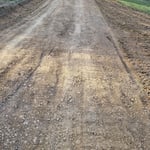
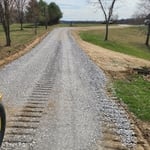
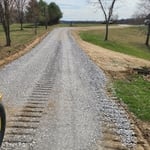
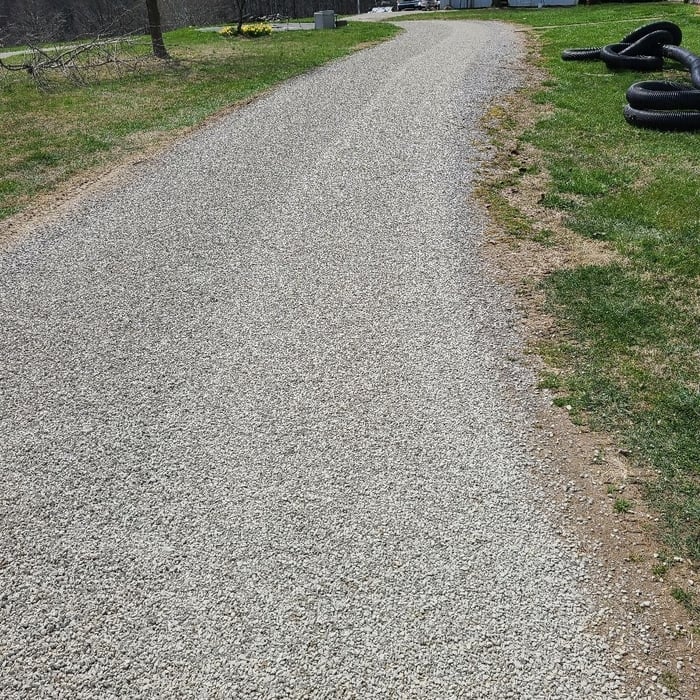
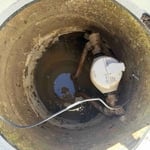
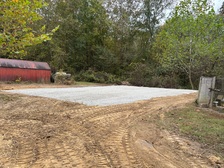
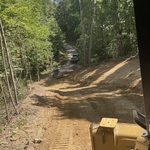
Hi my name is Cory Riley I?m a husband and a father of two boys, I started my company in 2023 I started out doing work for AT&T doing a lot of trench work and placing pipe. But I can offer many things such as land clearing, putting in new driveways, culverts, digging basements, pounds, or just simply digging a trench for placing pipe. I?ll go wherever the work is, I take pride in the work I do and love what I do, i treat every job as if I was doing it for myself. Hope to see you soon.

Gallery
Gallery
9 neighbors recently requested a quote
Ohio Valley Land Clearing
New to Angi
Building Site - Preparation and ClearingBuilding Site - Preparation and Clearing - For BusinessLandscape - Minor Grading or Resloping

Serving Marietta, OH and surrounding areas

Approved

Small jobs welcome

Offers commercial services

I specialize in land clearing and minor excavation, helping property owners turn raw land into usable space. With a strong work ethic and attention to detail, I handle each job efficiently and safely. From clearing brush to light excavation, I take pride in doing the job right and leaving customers with results they can rely on.

...
Showing 1-10 of 68
Excavating FAQs, answered by experts

Yes, trenchers can go through gravel. Gravel is made up of smaller, softer rocks that certain trenchers are able to cut through. Just be sure to use a rock wheel trencher or chain trencher, both of which are made to cut through rocky landscapes and gravel pathways without dulling the teeth or chain.

In the United States, a depth of 36 inches (three feet) for underground water lines is the accepted industry standard. This depth varies from location to location based on local conditions. In areas with colder winters, they may be buried deeper to prevent frozen well water pipes : This is usually at least six inches below the frost level. The International Plumbing Code calls for a minimum of 12 inches below grade.

There are several methods to hollow out a tree stump, and the best one depends on your tools, experience, and priorities. Common methods include using a chisel and hammer, a chainsaw, or burning.

  • Chisel and Hammer: This is often considered the easiest approach for those with limited tools or experience, though it is the most time-consuming.

  • Chainsaw: Using a chainsaw is the fastest method, but it comes with significant safety risks, especially for inexperienced users.

  • Burning: This can be an effective method, but it is not recommended unless you can first drill holes into the stump. Without holes, the stump will be difficult to light and may not burn completely through.

A power drill with at least a ⅜-inch diameter bit can make the job quicker and easier, regardless of the primary method. While you can use a chisel or chainsaw without a drill, it will require more time and effort. Always wear protective goggles and thick gloves, as splinters are an inevitable risk.

Completion time ranges from days to weeks, contingent on project size, environmental conditions, and regulatory approvals.

Sewer lines can be buried anywhere from 18 inches to 8 feet deep, with a common average depth between 18 and 30 inches. The exact depth depends on local factors like climate and soil type. In colder regions, pipes must be buried deeper (below the frost line) to prevent freezing, sometimes as deep as 8 feet. The digging depth can also impact the cost of sewer line replacement. To find the specific depth for your property, you can check the building plans for your system, which should be on file with your city or local sanitation department since permits are required for installation.

The Marietta, OH homeowners’ guide to excavation services

From average costs to expert advice, get all the answers you need to get your job done.