




Top-rated excavation pros.

Get matched with top excavation pros in Union, WV

Enter your zip and get matched with up to 5 pros

Need a pro for your excavation project in Union, WV?

Select your specific project to find the pro for you.

Find Excavation pros in Union

Avatar for Coal River Specialties
Coal River Specialties
5.0(
2
)

Serving Union, WV and surrounding areas

In business since 2024

Free estimates

Credit card accepted

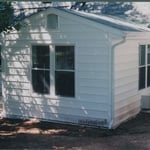
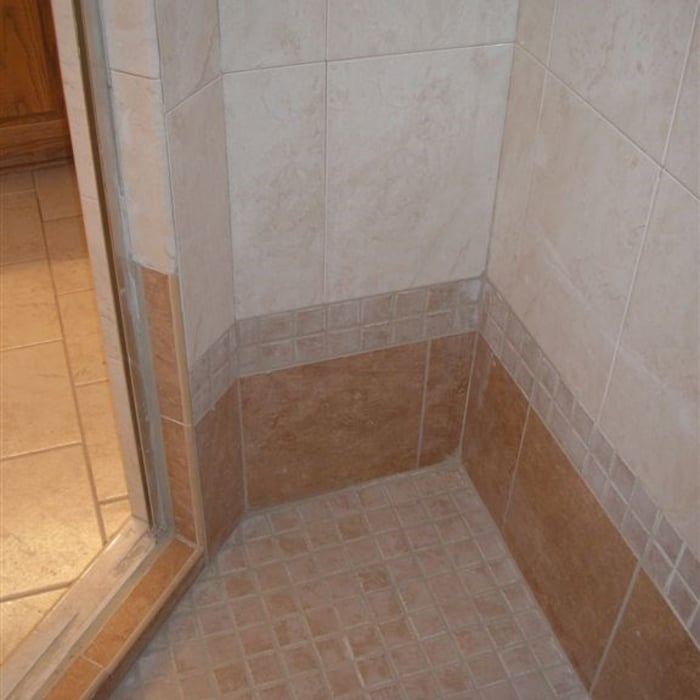
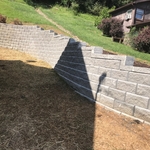
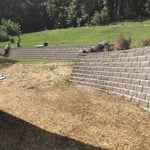
"We had a complete house remodel done, exterior and interior, by Coal River Specialties. They removed and replaced all of the old siding and also painted the new siding and trim, painted the existing garage door (it was brown), replaced the exterior garage door, put up the light fixtures, replaced ALL of the interior Sheetrock, prepped and painted it all, replaced flooring throughout the entire home, replaced light fixtures throughout the entire house interior and exterior, built the back porch, replaced pickets on the side porch to match the back porch, put up railings and pickets on the front porch and so so so many other things that are required when remodeling a house. We absolutely LOVE everything! They did an awesome job! Here are just a few pictures….."
Retaining walls
Retaining walls
Showing 1-10 of 16
Excavating questions, answered by experts

Yes, you can excavate in the winter, but it might make the job harder. Frozen ground is harder to dig, and snow or ice can make the work site more hazardous. A contractor may need special equipment and techniques, such as ground-thawing methods, to break through frozen soil. Although winter excavation is possible, it may take longer and be more costly than excavating during warmer months.

No, fire blight does not survive free in the soil but instead is carried through insects, animals, rain, or wind during the spring. Keep in mind that it can also spread on tools, which is why you should always disinfect them in between cuts.

A trench that is less than 5 feet deep often doesn't require a protective system. Most residential trenches will not go this deep (the typical residential drainage trench is just 18 inches deep). In the event that an excavator needs to dig more than 5 feet beneath the surface, a protective system is required unless the excavation is in entirely stable rock.

Prior to excavation, you should prepare the dig site and call 311 before you sign anything.

To get your site ready for excavation, you should move anything in the area that isn’t affixed to the land. You can save money on the excavation by removing hardscaping, including walkways, decks, concrete patios, and paver patios.

Before you carry out any digging, you should call 311 to confirm that there are no utility lines running through your excavation site. Skipping this step could lead to severe injury and property damage if your excavator hits a water, sewage, or gas line.

The digging depth will depend on the size of the trencher you use. Even smaller units can dig up to 4 feet deep, which is plenty for a DIY job. However, much larger trenchers can reach a depth of 18 feet and are better used by a team of pro contractors, not a single DIYer. As with all home improvement projects, use the right tool for the job and proceed with caution.

The Union, WV homeowners’ guide to excavation services

From average costs to expert advice, get all the answers you need to get your job done.

What do you need done? We’ll find top pros.
  • 🌱 "Mow a small front yard"
  • 🛠 "Fix a leaking pipe under the sink"
  • 🏠 "Repair shingles on an asphalt roof"