





"Wonderful. Incredibly nice man, took care of our problem quickly. He also fixed our water heater at the same time. We will definitely hire him again."
"He was able to quickly diagnose that the water leak from the water heater was a result of a ruptured tank, resulting in the need to replace the entire water heater."
"The 2 men that came were very professional and polite. They cleaned up after themselves and even took my old water heater away. I would use them over and over."
"We called Machen for an estimate to tear off our old roof on our house and detached garage. They were very responsive and Jodi even came out on a Saturday to give us an estimate. He was very knowledgeable regarding the materials and products we needed, and we were impressed that he actually climbed the roof to take all of the measurements, where other contractors we had contacted did not. The estimate we received was fair considering that the roof deck would need wrapped and the amount of ice guard we needed. Jodi and his team were on time every day and got right to work. They took their time on the job and were very conscientious about the work performed to ensure it was done correctly. Jodi takes a lot of pride in ensuring the job site remains neat and takes a lot of care to ensure they thoroughly clean up before leaving for the day. We ran into heavy rain halfway through the project and Jodi even came out on the weekend to ensure that the roof was water tight before the rain hit. The new roof looks great and we are very pleased with the end result!"
Building Innovations Inc provides construction services and is located in Princeton WV. Our mission is to provide customers with the highest quality of construction services for a fair market price. We are a certified veteran owned small business.
We pride our company on reliability, great communication, integrity, and quality work. We are experts in our trade and will do our best to keep you as educated as we can on your particular task or project. We look forward to earning your business!\n
Choosing between an electric water heater vs. a gas water heater comes down to personal preference. Overall, electric heaters are more energy efficient than their gas competitors. They’re also quieter to operate, take up less room, and don’t come with a risk of gas leaks.
The downside is that electric water heaters cost more to operate than gas. They might also struggle to heat water fast enough for households that use large amounts of hot water. Lastly, a power outage could cause your electric water heater to stop working, whereas gas water heaters may still function.
Yes, you can convert a gas water heater to an electric one, but it is a complex process. You will need to ensure there is adequate power for the new electric unit, as they require more power than gas models. The project also involves safely closing off the gas lines and ventilation, and some cities may require a permit for the conversion. The cost can range from $1,500 to $4,100, depending on the installation scope, plumbing and electrical work, and the water heater model. For an accurate quote, it's best to contact a local professional. Also, be aware that your monthly utility bills may increase after the conversion, as natural gas is typically cheaper than electricity.
No. Expansion tanks must be installed on the supply side (where heated water flows out) of the boiler. There’s also a list of other requirements for most boilers, including being above the pressure relief valves, being on the inner side of any circulator, and more. Your installation manual should have more information on expansion tank installation requirements and what sort of tank the system is made for.
Most standard residential water heaters, which are typically around 40 gallons and use 240 volts and between 3,500 and 5,500 watts, require a 30-amp, two-pole circuit breaker. For smaller, point-of-use water heaters using 120 volts and between 1,500 and 3,000 watts, a 30-amp breaker is also often adequate. However, some models may have different needs; units that use more watts than average may require a 40-amp breaker, while smaller units might only need a 20-amp breaker. Newer, tankless, or more energy-efficient models can also require a higher amperage. Having the correct breaker size is crucial for safe and efficient operation, so it's best to consult a licensed electrician to determine the specific needs of your water heater.
If your system is not vented properly, you could experience what’s called backdrafting. Backdrafting is when your ventilation system isn’t working as it should, and instead of releasing gases outside, they get trapped inside your home.
Gas and propane water heaters create a few types of combustion gases, but the most dangerous is carbon monoxide. If there’s too much build-up of these gases inside your home, it can lead to carbon monoxide poisoning.
The Thomas, WV homeowners’ guide to water heater services
From average costs to expert advice, get all the answers you need to get your job done.
A water heater flush costs $160 on average but can vary based on the unit size, type, labor, location, and more. Keep reading to learn how much you could pay.
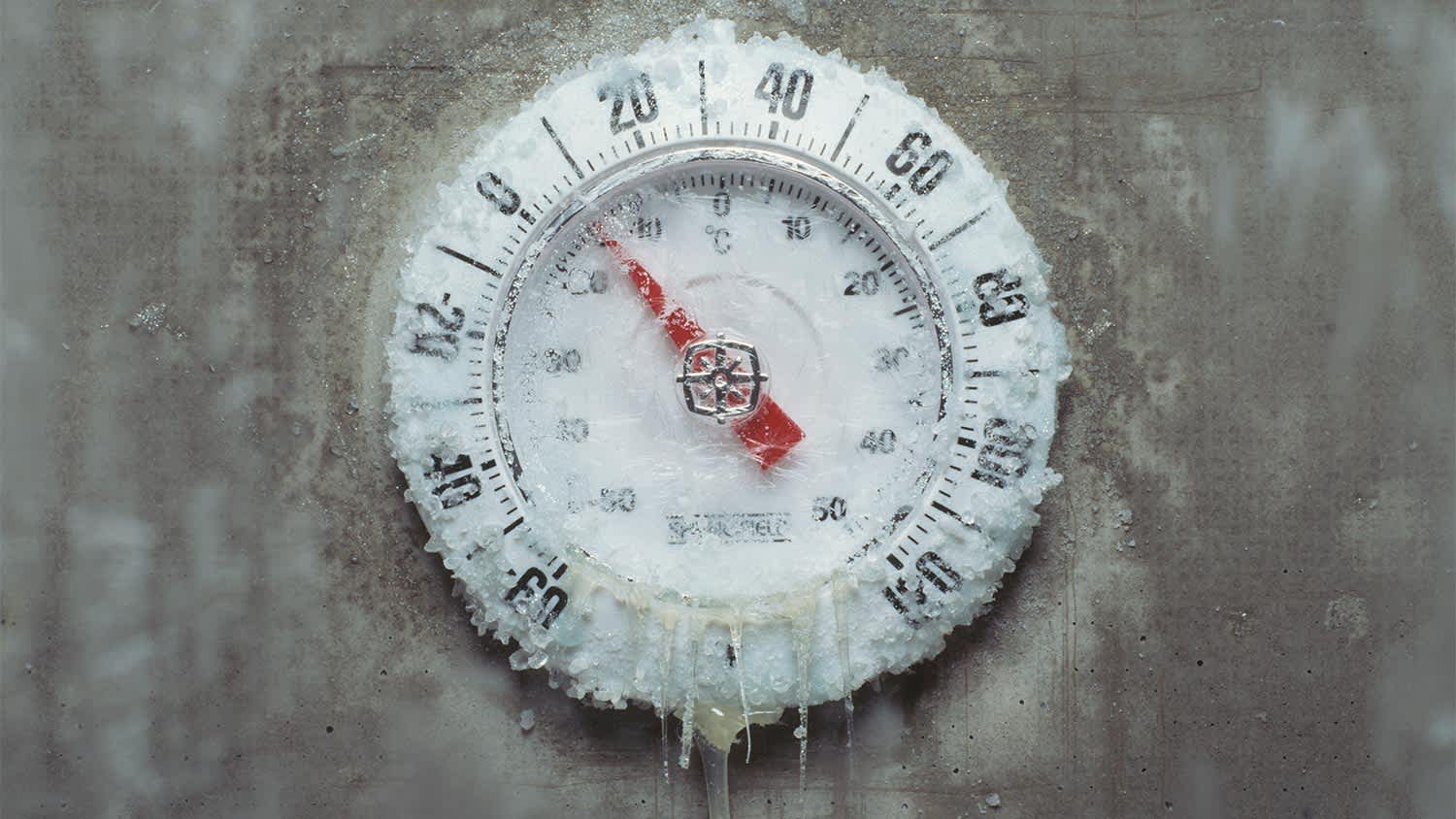
Worried your water heater might freeze this winter? Learn to spot the warning signs and how to safely thaw your tank or tankless system out if necessary.
Hybrid water heaters will have you weighing high initial costs versus long-term savings. Is it the right option for you? Explore the pros and cons of hybrid water heaters.
The average lifespan of water heaters is 6 to 15 years for conventional models and up to 20 for tankless ones, but it can be less if they are not properly maintained.