

Top-rated concrete resurfacing pros.

Get matched with top concrete resurfacing pros in Thomas, WV

Enter your zip and get matched with up to 5 pros

Need a pro for your concrete resurfacing project in Thomas, WV?

Select your specific project to find the pro for you.

Find Concrete resurfacing pros in Thomas

Concrete Resurfacing questions, answered by experts

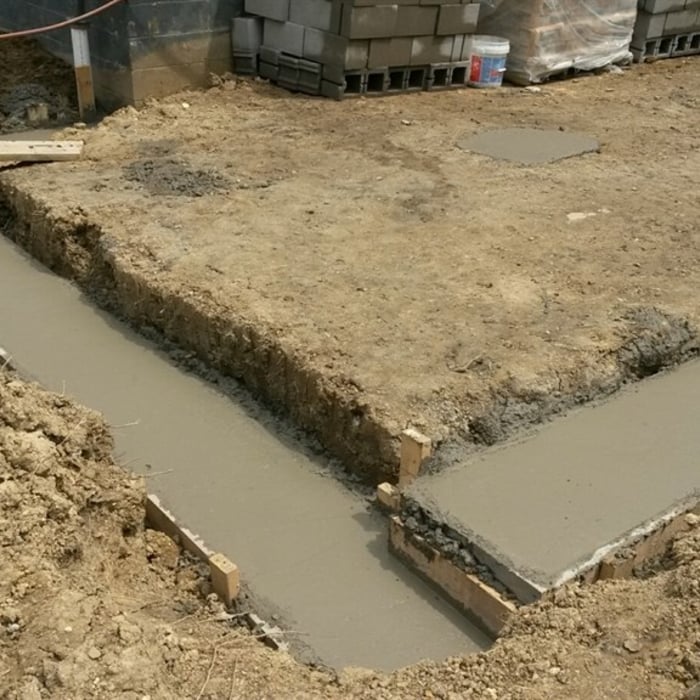
Regularly inspecting your foundation—at least the visible sections—for signs of foundation issues like moisture and pest infestation is a good way to identify slab leaks early, as is keeping an eye and ear out for water damage to indoor building materials, above-average water bills, sounds of running water when no fixtures or appliances are on, and indoor humidity that causes the temperatures to feel more extreme. If you do find any issues, contact a plumber right away to check it out for you.

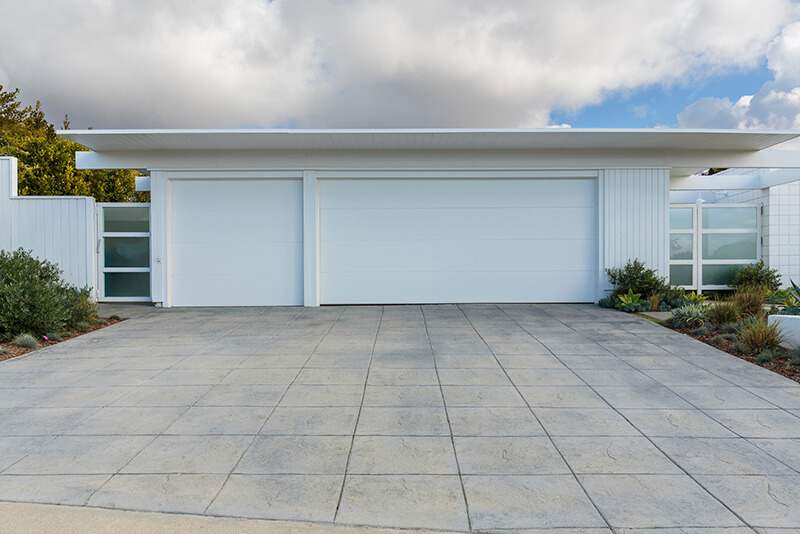
Pervious concrete should be between 4 and 8 inches thick to drain water properly. Surfaces like parking lots and driveways should be at least 6 inches thick to accommodate the weight of vehicles, while patios and walkways may be poured between 4 and 6 inches thick. There’s no standard for pervious concrete thickness, but in most cases, the more weight the surface will need to hold, the thicker it should be.

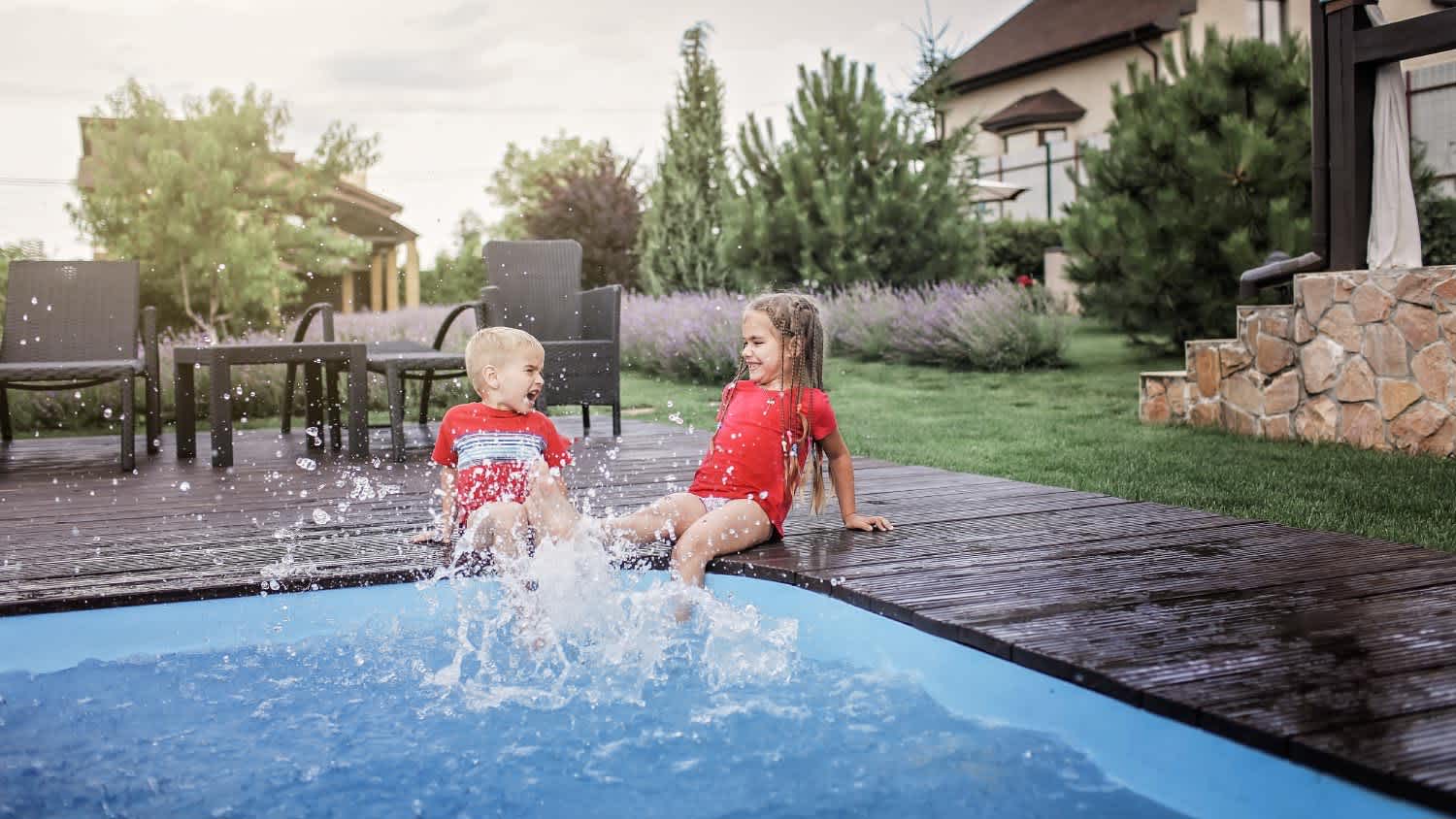
Concrete pools are very durable but can crack if not properly maintained. The most significant risk is winter weather and low temperatures when water can seep into crevices and freeze. To avoid damage, use the proper winterization chemicals, and don’t completely drain your pool. Concrete pool repairs cost around $75 per linear foot for small cracks.

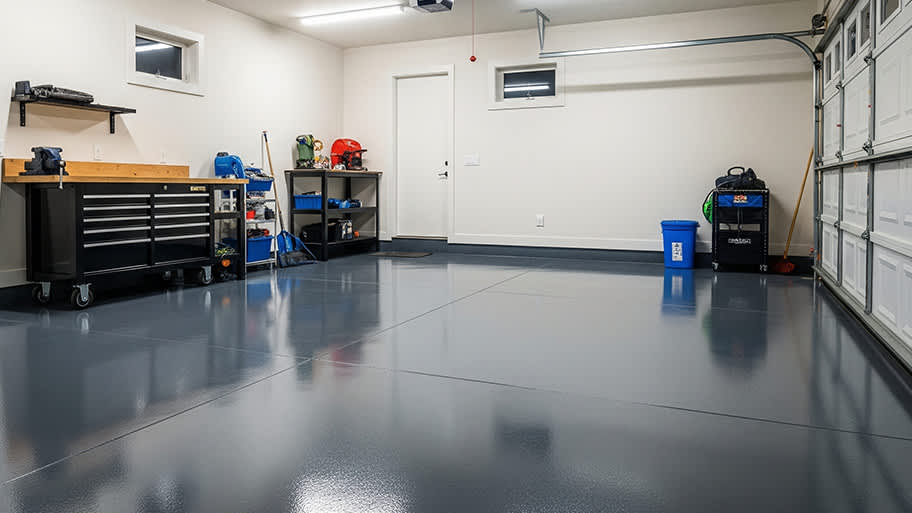
The biggest downside to resurfacing concrete is its lifespan. Concrete resurfacing lasts for five to ten years, on average, while a new concrete slab would last for 20 to 30. The cost of concrete resurfacing is much lower, but you get more value from full replacement. Resurfacing also doesn’t address any underlying issues with your slab, so you may need additional repairs, like mudjacking.

You can dry pour concrete over existing concrete, but it’s best to use wet pour concrete instead. Dry pour concrete is easier to apply, but in order for new concrete to adhere to old concrete, it needs the right mixture for slow, uniform curing. Additionally, dry pour concrete is less durable and less resistant to cracking and concrete sinking, so dry pouring over an existing slab may result in surface imperfections appearing prematurely.

The Thomas, WV homeowners’ guide to concrete resurfacing

From average costs to expert advice, get all the answers you need to get your job done.