



Top-rated arborists.

Best arborists near Scott Depot, WV

Enter your zip and get matched with up to 5 pros

Need a pro for your arboricultural service project in Scott Depot, WV?

Select your specific project to find the pro for you.

TRUSTED BY SCOTT DEPOT, WV HOMEOWNERS

  • Average homeowner rating star icon4.7
    Average homeowner rating
  • Verified reviews icon362
    Verified arboricultural services reviews

Top-Rated Arborists in Scott Depot - Updated Nov 2026

Kevin's Christ-Honoring Contracted Services
4.8(
42
)
Tree Stump - RemoveTree Stump - Remove - For Business

Serving Scott Depot, WV and surrounding areas

Approved

In business since 2008

Free estimates

Emergency services offered

"Kevin was great! I live in VA and was looking for someone to mow and trim a property in WV. Kevin called me back almost immediately and was able to work us into his schedule the very next day. He got the job done quickly and it looked great! If you're thinking about hiring Kevin, just do it. You'll be glad you did."
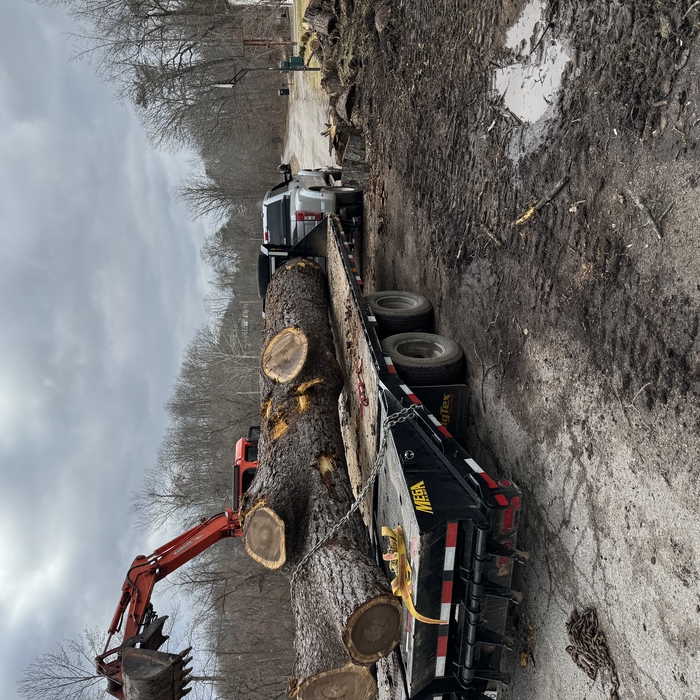
Tree removal
Stump grinding
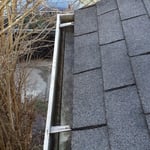
Gutters full of debris
Clean gutters able to perform well
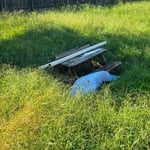
Mowing

+5

Response time1 day
Response rate90%
2 neighbors recently requested a quote
Avatar for BEARCUTSE Environmental
BEARCUTSE Environmental
New to Angi
Tree Stump - Remove

Serving Scott Depot, WV and surrounding areas

Approved

Free estimates

Emergency services offered

Warranties offered

We are a veteran owed company with compatible pricingand guarantee customer service service, southern Ohio eastern Kentucky and and western and central West Virginia. we are from mini services from Mark Care to small outdoor construction.

38 neighbors recently requested a quote
One Man Freelancing
New to Angi
Tree RemovalTree Stump - RemoveTree Trimming

Serving Scott Depot, WV and surrounding areas

Approved

I am a young business owner and brand new father! I have worked all over the construction industry from a young age and became a licensed plumber before I finished highschool. The name “One man” Freelancing was inspired by my service in the WV national guard where I still currently serve as the “one man” a term given to the cannon crewmember who loads and fires the artillery cannons. I have a broad range of knowledge and problem solving skills, if I don’t know how to do the job I will surely be able to learn and you will not be disappointed with results!

...
Showing 1-10 of 112
Arborists FAQs, answered by experts

If your palm tree has spots on the leaves, rotting buds, or is beginning to turn yellow, then you have a sick tree on your hands. You should contact a palm tree specialist to identify the problem and help treat the tree if possible. Preventing diseases and pests is key to a healthy palm tree, and it's essential to take action as soon as possible if your tree is showing signs of being sick.

Deciduous shade trees (the type of trees whose leaves fall off in autumn) need to be pruned in late winter—between February and March. That’s because it’s easier to find and remove sick or dead branches when no leaves are present. And wounds close and heal faster in colder temperatures so pruning them at this time also makes them less prone to infection.

You should avoid cutting off the top of mature cherry trees. This process is called tree topping, and it’s not recommended for cherry trees—or any trees, for that matter. Tree topping removes between one-third to half of the length of the tree trunk, resulting in structurally unsound, fruitless suckers. The only exception is for saplings. Young pie, sour, and tart cherry trees that are over 30 inches tall in the fall or winter before the tree blooms can benefit from heading cuts.

The best time to prune Japanese flowering cherry trees depends on where you live and the type of flowering cherry tree. Some trees benefit from being pruned toward the end of winter or early spring, after the last freeze. Meanwhile, other trees do well after blooming, in late spring or early summer. Avoid pruning your flowering cherry tree in the early winter, as this encourages open wounds that can lead to infections or infestations. 

Some fast-acting products can rot a tree stump in four to six weeks. Keep in mind, these products contain harsh chemicals that may prevent regrowth in the area. Other products, like fertilizer that contains lots of nitrogen, can enhance the process and rot a stump in about a year. (This is compared to the ten years it can take naturally for a stump to rot.)

The Scott Depot, WV homeowners’ guide to arboricultural services

From average costs to expert advice, get all the answers you need to get your job done.