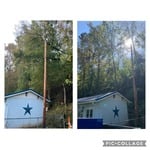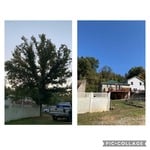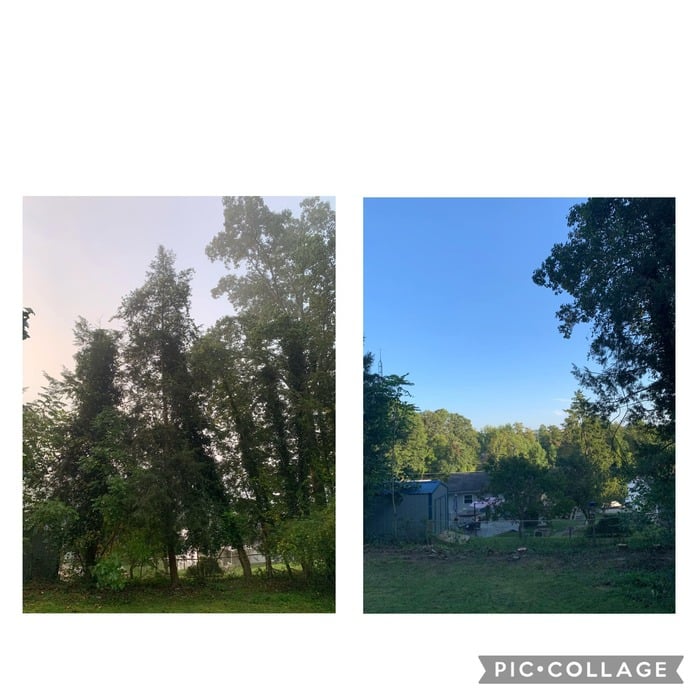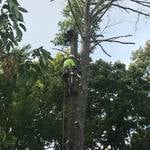

Top-rated arborists.

Best arborists near Cross Lanes, WV

Enter your zip and get matched with up to 5 pros

Need a pro for your arboricultural service project in Cross Lanes, WV?

Select your specific project to find the pro for you.

TRUSTED BY CROSS LANES, WV HOMEOWNERS

  • Average homeowner rating star icon4.7
    Average homeowner rating
  • Verified reviews icon294
    Verified arboricultural services reviews

Top-Rated Arborists in Cross Lanes - Updated Nov 2026

Avatar for BEARCUTSE Environmental
BEARCUTSE Environmental
New to Angi
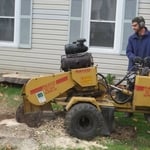
Tree Stump - Remove

Serving Cross Lanes, WV and surrounding areas

Approved

Free estimates

Emergency services offered

Warranties offered

We are a veteran owed company with compatible pricingand guarantee customer service service, southern Ohio eastern Kentucky and and western and central West Virginia. we are from mini services from Mark Care to small outdoor construction.

39 neighbors recently requested a quote
...
Showing 1-10 of 124
Arborists FAQs, answered by experts

Not all leaning trees are dangerous, but they can be a hazard as gravity may eventually cause them to fall. A key factor is whether the lean is new or has been present for a long time. Trees that have grown with a lean for years are not typically an immediate danger, but a sudden lean is a cause for concern as it often indicates weakening roots. If a tree is leaning more than 15% from vertical, you should consider having it straightened or transplanted. To be safe, it's always best to hire a professional arborist to inspect any leaning tree to assess the risk and avoid potential accidents.

You should not trim an oak tree in the summer. Oak trees are especially susceptible to disease, and open tree wounds are an invitation for beetles that carry tree-killing fungus. If there’s no risk that the oak tree will do damage to your property or hurt someone, it’s best to save the trimming for fall or winter. If you can, seal the wound with latex to prevent fungus from getting inside.

Deciduous shade trees (the type of trees whose leaves fall off in autumn) need to be pruned in late winter—between February and March. That’s because it’s easier to find and remove sick or dead branches when no leaves are present. And wounds close and heal faster in colder temperatures so pruning them at this time also makes them less prone to infection.

The best time to trim trees is in late fall through winter when the tree has slowed its growing for the year. Cold weather stops insects and fungal growth from attacking a new tree wound. Summer and fall are considered the worst times to trim trees, but it’s permissible in certain scenarios, such as tree disease, damaged branches, or small, aesthetic cuts.

Consumers typically do not need to worry about the cost of tree insurance, as professional tree service companies pay for their own coverage. For a tree service business, an average U.S. policy covering about $1 million in general liability costs roughly $40 a month or $500 a year. More extensive policies, providing between $500,000 to $2 million in coverage, can cost between $3,000 and $6,000 annually, depending on the company's size and scope of work. Tree service professionals should speak with an insurance company to determine the right plan for their business.

The Cross Lanes, WV homeowners’ guide to arboricultural services

From average costs to expert advice, get all the answers you need to get your job done.