

Top-rated concrete leveling pros.

Get matched with top concrete leveling pros in Gary, WV

Enter your zip and get matched with up to 5 pros

Need a pro for your concrete leveling project in Gary, WV?

Select your specific project to find the pro for you.

Find Concrete leveling pros in Gary

Avatar for Reed's Spray Foam Insulation, Inc. (Belfry)
Reed's Spray Foam Insulation, Inc. (Belfry)
4.4(
75
)

Serving Gary, WV and surrounding areas

Approved

In business since 2008

Free estimates

Warranties offered

"All of their people were so very helpful, they worked with me to get my project done in a very quick and professional manor. I would use them again and recommend them to anyone."
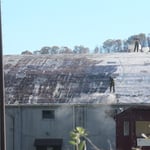
Work in progress-Repairs
Work in progress-cleaning
Finished Product
Re-cover, don't re-roof
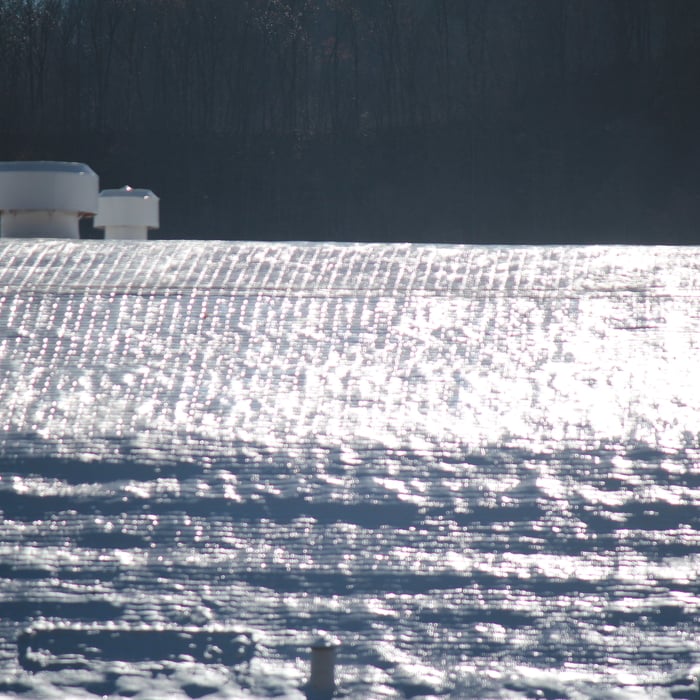
Roof Coating

+40

Response time1 day
264 neighbors recently requested a quote
Recommended by87%of homeowners
Southern Concrete Inc
New to Angi

Serving Gary, WV and surrounding areas

In business since 1980

Free estimates

Emergency services offered

Southern Concrete Inc is committed to excellence in every aspect of our business. We uphold a standard of integrity bound by fairness, honesty, and personal responsibility. Our distinction is the quality of service we bring to our customers. Accurate knowledge of our trade combined with ability is what makes us true professionals. Above all, we are watchful of our customers' interests, and make their concerns the basis of our business.

Concrete Leveling questions, answered by experts

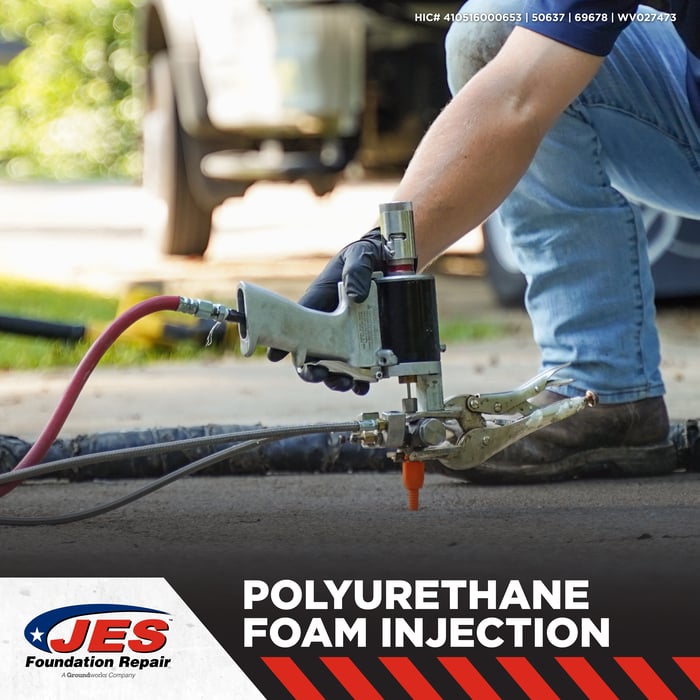
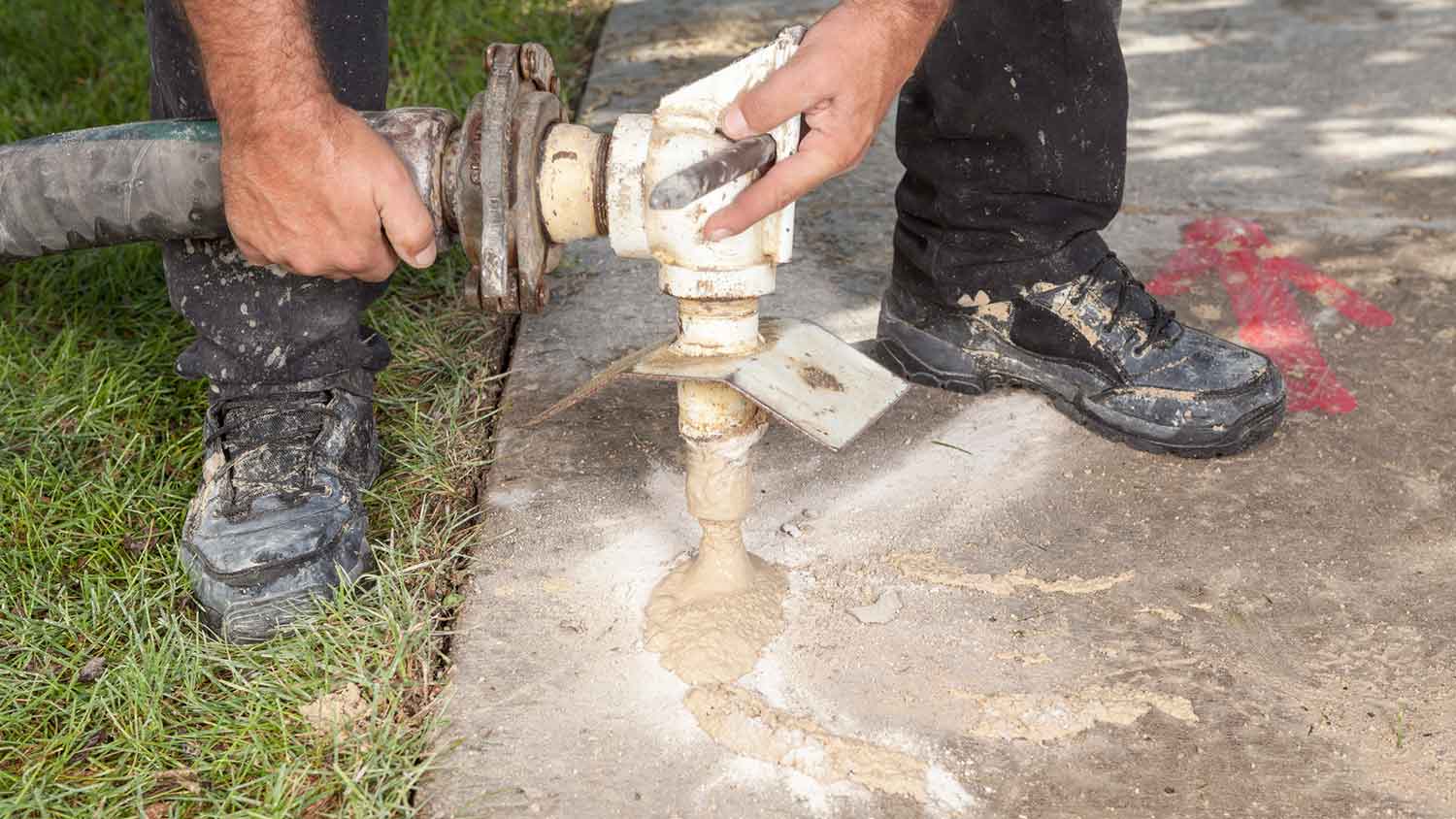
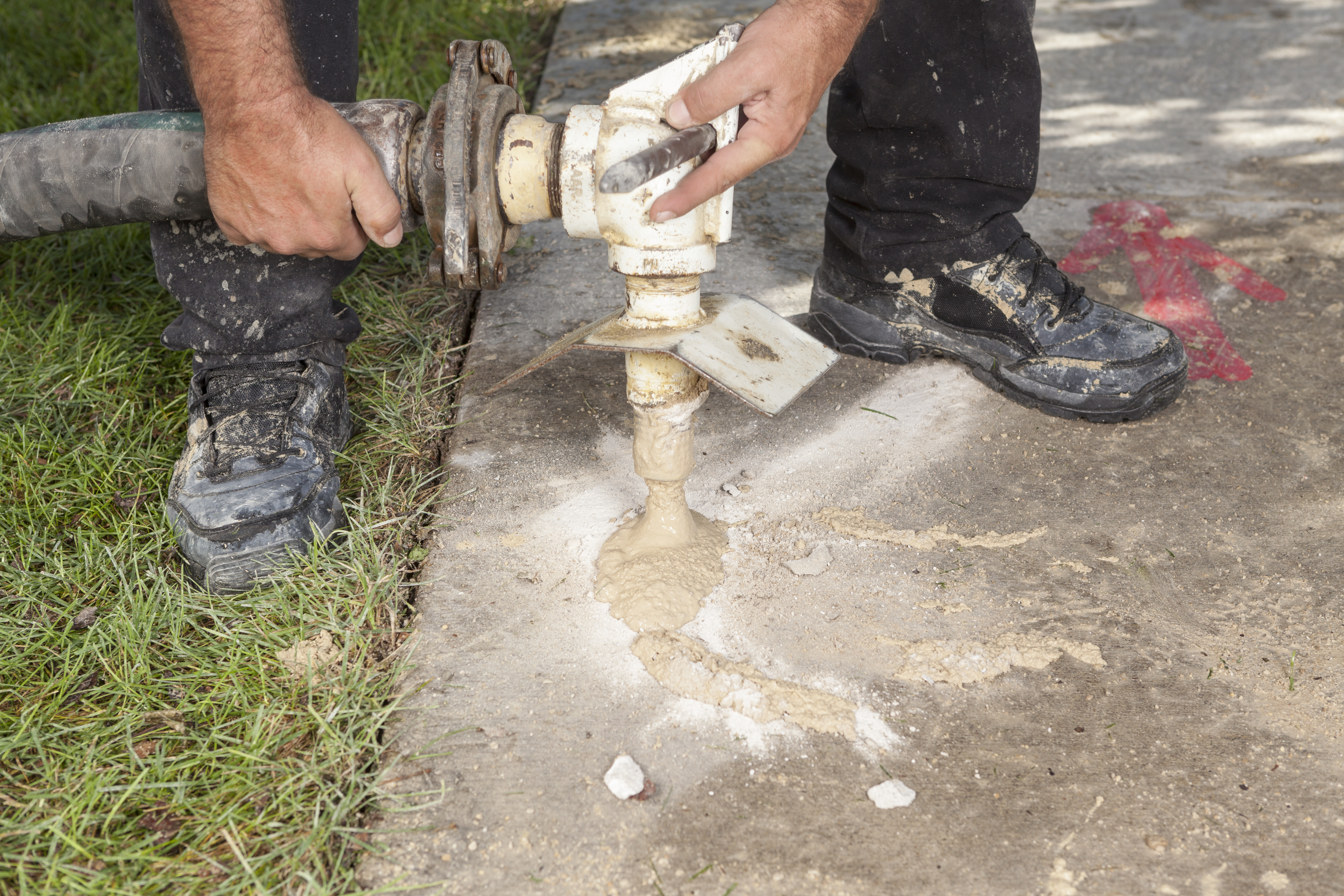
Polyjacking and mudjacking can both be effective solutions for sinking concrete, but they have key differences. Polyjacking, which uses expanding polyurethane foam, is often considered a better option because the foam is significantly lighter than the cementitious material used for mudjacking. This reduced weight puts less pressure on the underlying soil and lowers the risk of future sinking. Polyjacking is suitable for any sinking concrete slab, while mudjacking is typically only recommended for non-structural concrete, such as sidewalks, patios, pool decks, and driveways. The primary drawback of polyjacking is its cost, which can be up to four times higher than mudjacking—as much as $25 per square foot compared to a maximum of about $6 per square foot for mudjacking.

On average, a mudjacking repair lasts between five and 10 years, though it can sometimes last for well beyond a decade under ideal conditions. Its longevity depends heavily on several factors, including the condition of the underlying soil, environmental conditions like freeze/thaw cycles and erosion, and whether the root cause of the sinking, such as drainage issues, is resolved. Because it doesn't always fix the underlying problem of loose soil, mudjacking is often considered a temporary solution. Proper maintenance and evaluation can help extend its lifespan.

Trenching and boring are two distinct methods for installing underground utilities. Trenching involves digging a channel using equipment like an excavator, trencher, backhoe, or shovel. While it is a simpler process, it causes significant disruption to the surface, landscaping, and surrounding ecosystems.

Boring, also known as directional boring, is a less invasive alternative that uses a drill to create a tunnel for utility lines without disturbing the surface. This method is more precise and is ideal for installations that need to go underneath buildings, roads, or bodies of water. Although boring is less disruptive, it is generally more expensive than trenching.

It’s best not to perform mudjacking in the winter unless the ground temperature remains above freezing. Freezing temperatures can cause the slurry to harden too quickly, compromising its strength and longevity. Concrete is also more susceptible to cracking and splitting in cold temperatures, so there’s a higher risk of damaging the slab during the drilling and lifting process in winter.

Concrete leveling can last anywhere from five to 10 years or more, and in some cases, it can be a permanent solution. The longevity depends on the method used and whether the underlying cause of the sinking is addressed. For example, mudjacking typically lasts five to 10 years, while polyjacking can last for 20 years or more. It's best to consult a professional for an accurate timeline based on your specific situation and any factors that could cause the issue to recur.

The Gary, WV homeowners’ guide to concrete leveling services

From average costs to expert advice, get all the answers you need to get your job done.