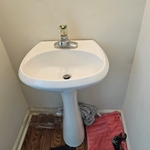
We Are Handymen. WE DO NOT offer MAJOR ELECTRICAL, PLUMBING, H-VAC SERVICES, Roofing needs over 20 FT, Projects OVER $2,500, or Major structural projects.\nAssured Handy Service will take care of your honey do list. We can replace fixtures in your home, patch drywall, light bulb replacement, replace leaking pipes, silicone replacement throughout your home, and much more. You can text or call us directly for a faster response: 470-419-0021
We are a family-owned and operated company based in Hinton, West Virginia serving contractors and private landowners. \n\nLicensed & Insured! \n\nWe take great pride in our experience, expertise, quality, and customer service that we provide to meet the consumers needs. It is our mission to provide excellent workmanship and complete customer satisfaction from start to completion of a project.
HARRAHS PROPERTY MANAGEMENT LLC is dedicated to providing our customers with the best quality and
\ncraftsmanship. We are here to build relationships with our customers and communities and to provide
\nour employees with a great place to work. We look forward to working with you!
We bring old-world, quality craftsmanship to every unique project we take on. We specialize in a variety of major home improvement projects to include additions, kitchen and bathroom remodels, major renovations and home repairs. We work efficiently with our resources to ensure your project is completed on time and on budget. We're licensed and insured & look forward to building strong, long-lasting relationships with our clients and guarantee your satisfaction.
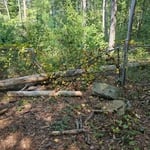
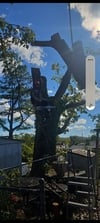
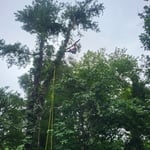
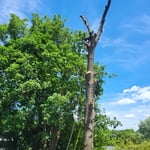
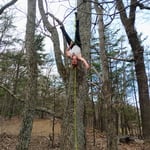
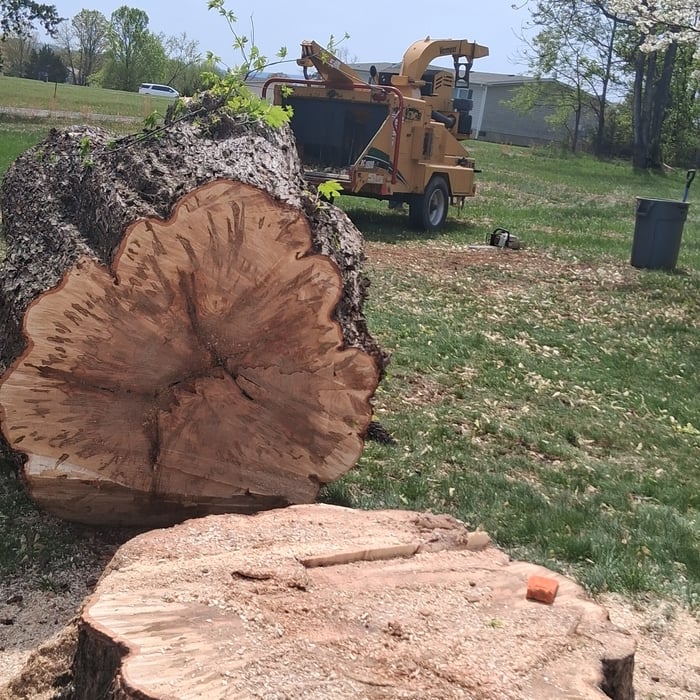
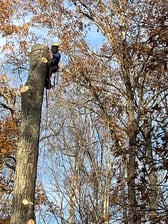
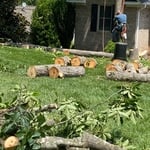
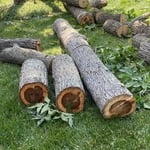
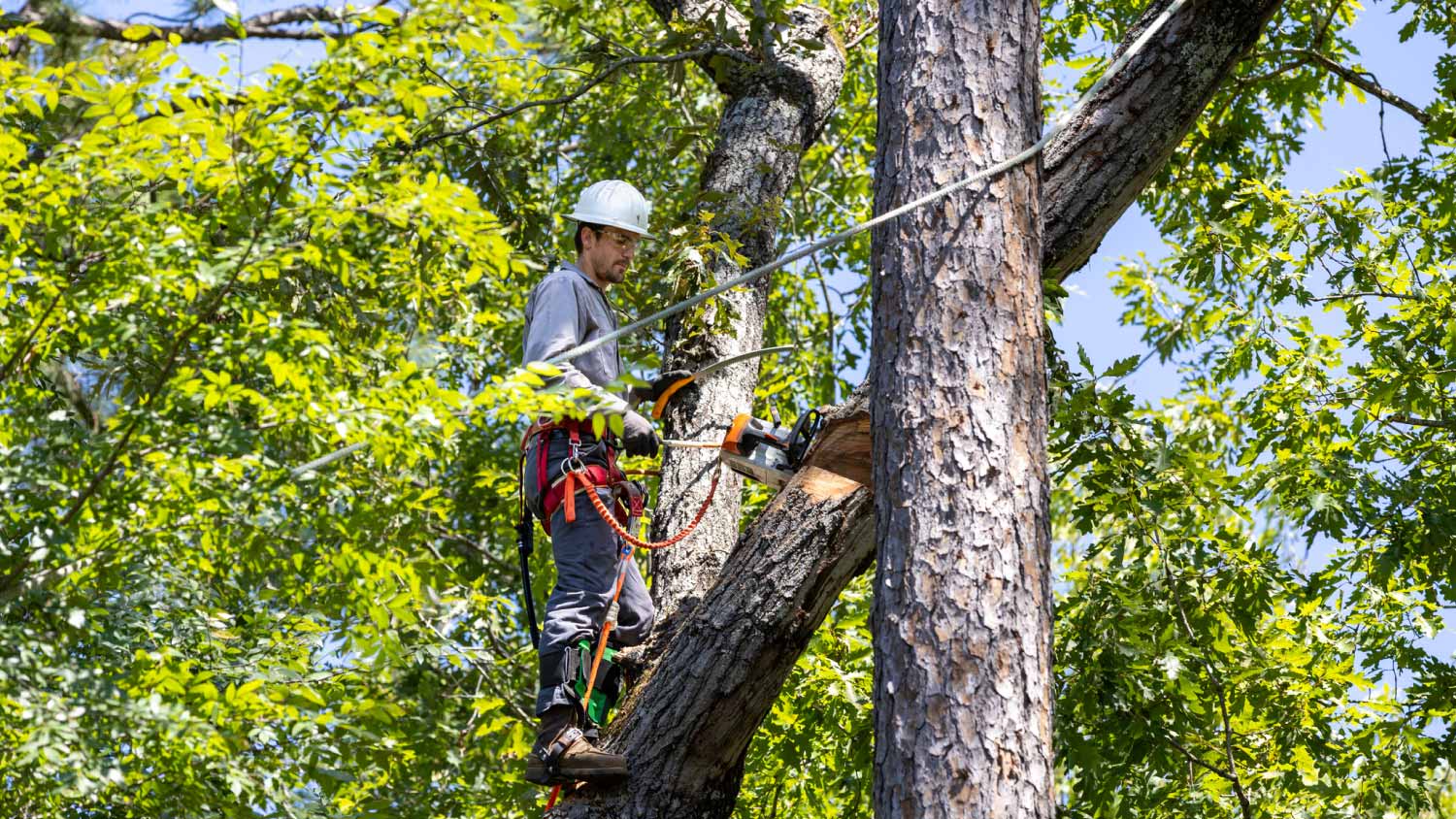
Ready to work. Happy to serve the area, work hard and can climb. Fair pricing efficient, friendly. Doing tree removal, chipping, clearing, stump grinding. Reasonably priced, clear communication.
Im a small business owner. Offering a wide variety of contractor services. No job to big or to small! I will perform any kind of work please feel free to reach out.
We take great pride in our experience, expertise, quality and customer service that we provide to meet the consumer's needs. It is our mission to provide excellent workmanship, and complete customer satisfaction, from start to completion of a project. In order to understand the needs and expectations of our customers, we take great care to work and communicate with every customer in a professional manner. Our reputation is based on service, safety and quality, regardless of how large, or small the job. Call us today!
Paw Paw Tim's Handyman Services, is committed to excellence in every aspect of our business. We uphold a standard of integrity bound by fairness, honesty, and personal responsibility. Our distinction is the quality of service we bring to our customers. Accurate knowledge of our trade combined with ability is what makes us true professionals. Above all, we are watchful of our customers' interests, and make their concerns the basis of our business.
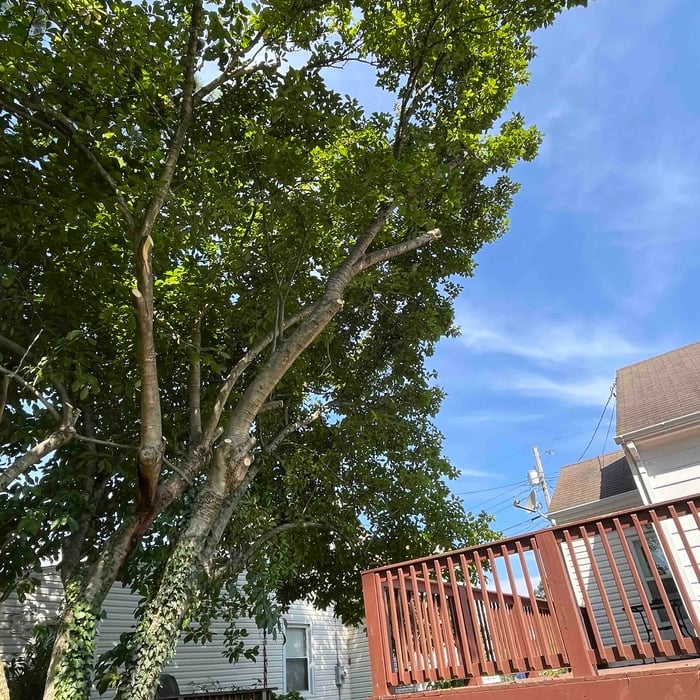
You can never truly stop a maple tree from growing taller, but you can rein in its growth by pruning. Proper pruning helps maintain a safe size for your tree without causing permanent damage. It’s important to start pruning a tree while it’s young, long before it becomes a problem. Otherwise, you may be left with too many hazardous branches to remove at once.
Leaf removal costs between $400 and $1,000per acre on average. Nationally, the cost of leaf removal averages about $350. Cost factors for this project include lawn size, leaf removal method, tree density, location, and the time required to do the job. If your lawn removal service charges based on lawn size, you can expect to pay $0.02 to $0.10 per square foot.
Full decorating services often provide rental trees for their Christmas packages, so you shouldn’t have any trouble finding one. However, individual interior decorators and others may not offer rented trees, so always check the specifics of their services before booking. Keep in mind that you’ll need to prepare the Christmas tree for pick-up shortly after the holidays.
State and local laws vary, but in most cases, you are allowed to trim any branches from your neighbor's tree that cross your property line. However, it's important to ensure you do not damage the overall health of the tree in the process. Removing branches incorrectly can jeopardize the health of the tree and could lead to you being on the hook to replace it.
Yes, many services include stump grinding to eliminate tripping hazards and improve aesthetics.
The Alderson, WV homeowners’ guide to arboricultural services
From average costs to expert advice, get all the answers you need to get your job done.
How much does an arborist cost? This guide explains the cost of different services, ongoing expenses, and other factors to consider when hiring an arborist.
Arborists are specialized tree care experts. This guide will help you hire an arborist with all the qualifications to give your trees the best care possible.