






Top-rated arborists.

Best arborists near Fayetteville, WV

Enter your zip and get matched with up to 5 pros

Need a pro for your arboricultural service project in Fayetteville, WV?

Select your specific project to find the pro for you.

TRUSTED BY FAYETTEVILLE, WV HOMEOWNERS

  • Average homeowner rating star icon4.4
    Average homeowner rating
  • Verified reviews icon30
    Verified arboricultural services reviews

Top-Rated Arborists in Fayetteville - Updated Nov 2026

One Man Freelancing
New to Angi
Tree RemovalTree Stump - RemoveTree Trimming

Serving Fayetteville, WV and surrounding areas

Approved

I am a young business owner and brand new father! I have worked all over the construction industry from a young age and became a licensed plumber before I finished highschool. The name “One man” Freelancing was inspired by my service in the WV national guard where I still currently serve as the “one man” a term given to the cannon crewmember who loads and fires the artillery cannons. I have a broad range of knowledge and problem solving skills, if I don’t know how to do the job I will surely be able to learn and you will not be disappointed with results!

Avatar for Woodring Arbor Wellness
Woodring Arbor Wellness
5.0(
4
)
Tree RemovalTree Trimming

Serving Fayetteville, WV and surrounding areas

In business since 2021

Free estimates

Emergency services offered

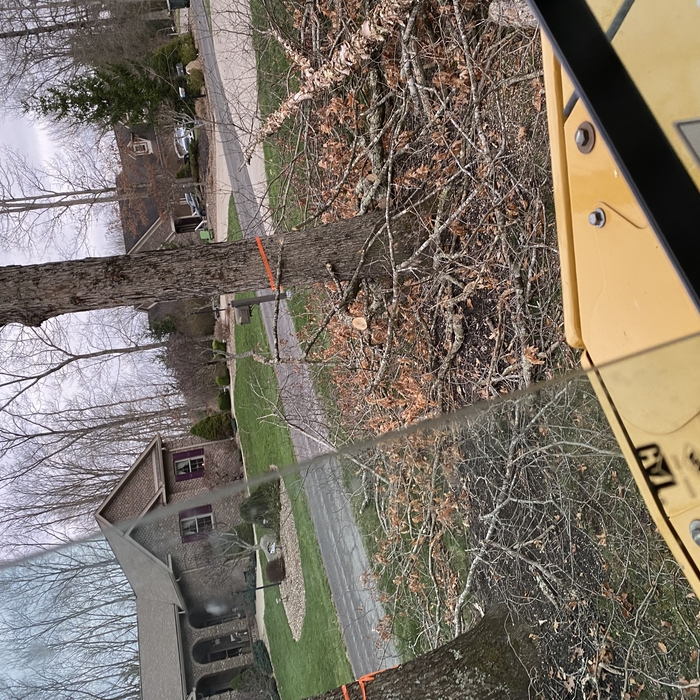
"Brooks has a positive can do attitude. He arrived on time and quickly completed the agreed to task of trimming our storm damaged trees and removing all the debris. I would definitely hire him again."
Response time1 day
Recommended by100%of homeowners
...
Showing 1-10 of 82
Arborists FAQs, answered by experts

The lifespan of a bird's nest depends on the species. The building process can take from two days to three weeks. Once built, the nesting period for baby birds can last from two to ten weeks before they leave the nest. While most young birds are ready in two to six weeks, some predatory species may need up to two and a half months. Some species nest four to five times per year, so a nest could remain in use for several months. For specific information about a particular nest's longevity, it is best to consult a wildlife professional.

Yes, it is essential to confirm that any tree service company you hire is properly insured before they begin work. Tree removal, trimming, and pruning are dangerous jobs, and proper insurance protects you, your home, and the company from liability in case of accidents or damage. Look for a company that carries both general liability and workers’ compensation insurance, and do not hire one that cannot provide proof of coverage. When browsing for professionals, you can look for indicators like an “Angi Approved” badge, which signifies that the business meets standards like holding applicable licenses and passing a background check. Keep in mind that a license is a legal requirement to operate, while certifications are typically voluntary.

It’s not as common for Dutch elm disease to affect other types of trees, especially if the surrounding trees aren’t elms. However, it is possible for DED to spread to other trees, particularly in northern states, like Minnesota. In fact, it’s a good idea to use geography to identify wood and determine which types of trees are in your yard. 

Unfortunately, the complex and shallow root system of elm trees makes surrounding elm trees particularly vulnerable to DED. Early discovery is key!

For safety reasons, leaning trees are best removed by a professional, as they may often tear away from the hinge, causing you to lose control over where the tree falls. If you choose to cut down a tree leaning slightly, avoid cutting off root protrusions before you start. Make your hinge a little longer than usual by cutting it deeper (up to 30% of the diameter) and applying a wedge into the felling cut on the side the tree is leaning. Stand away from the direction the tree leans while making your felling cut.

It’s possible, although a lot depends on the cause of damage and what steps you take. If the remaining parts of the maple tree are alive and not under attack by disease or pests, they can often be saved even if large portions of the maple tree have died. Frequent watering, careful pruning, mulch, and any recommended fungicides or insecticides can all help with survival.

The Fayetteville, WV homeowners’ guide to arboricultural services

From average costs to expert advice, get all the answers you need to get your job done.