


Top-rated plaster repair specialists.

Get matched with top plaster repair specialists in Wrightstown, WI

Enter your zip and get matched with up to 5 pros

Need a pro for your plaster repair project in Wrightstown, WI?

Select your specific project to find the pro for you.

TRUSTED BY WRIGHTSTOWN, WI HOMEOWNERS

  • Average homeowner rating star icon4.9
    Average homeowner rating
  • Verified reviews icon30
    Verified plaster repairs reviews

Find Plaster repair specialists in Wrightstown

Avatar for Agramon's Painting
Agramon's Painting
5.0(
2
)
Plaster - Install - For BusinessPlaster - Repair - For Business

Serving Wrightstown, WI and surrounding areas

Approved

In business since 2017

Free estimates

Warranties offered

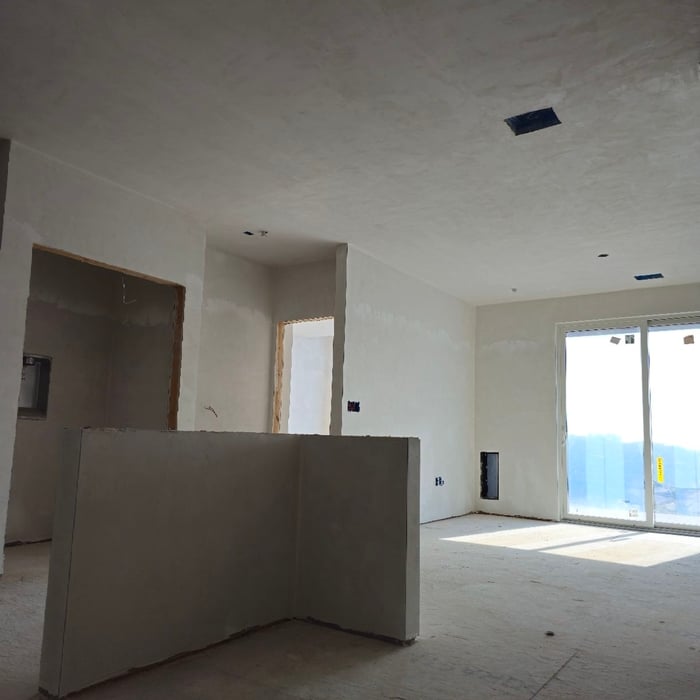
We're a locally owned and operated company with extensive years of industry experience. We value honesty and integrity in all aspects of our business. We offer a variety of home improvement services that are customizable to each individual project. We specialize in residential and commercial painting and much more, as well as a variety of related service and repair projects. We pride ourselves on the quality of our work as well as our commitment to outstanding results. We look forward to building lasting relationships with our clients and guarantee your satisfaction!

North Fon Du Lac Home

+5

Response time5 days
39 neighbors recently requested a quote
Avatar for Sullivan Exteriors
Sullivan Exteriors
4.7(
44
)
Plaster - InstallPlaster - Install - For BusinessPlaster - Repair+1 more

Serving Wrightstown, WI and surrounding areas

In business since 2008

Free estimates

"Mr. Sullivan brought an assistant and they cleaned our Appleton 2-story Victorian home's gutters and repaired a spot damaged by an ice dam in last year's severe winter. They were pleasant and professional. I would recommend them for this work and will be calling them soon for another gutter cleaning.
"
Recommended by95%of homeowners

Showing 1-10 of 32
Plaster Repair questions, answered by experts

While it’s most common to sand plaster dry, it is possible to wet-sand plaster, too. Doing so can reduce the amount of plaster dust released into the air and make it easier to work in smaller, more delicate areas (such as around wall trim). However, some people find that wet sanding leads to more imperfections, which is why larger walls are more often dry sanded to ensure an even finish.

Plastering and skimming are two different techniques for finishing walls. Plastering involves applying a thick layer of a plaster mixture—typically containing gypsum, lime, cement, sand, and water—to create a new surface. This process often requires multiple coats and is used for repairing significant damage or creating decorative textures. Skimming, on the other hand, is a technique that involves applying a thin layer of drywall compound or joint compound over an existing surface to smooth it out, covering minor imperfections, small cracks, or uneven textures for a polished look. Plastering is generally more costly and labor-intensive than skimming. Although some people use the terms interchangeably, they refer to different processes and materials.

It depends on the construction of your wall. Most handypeople can fix small holes in drywall. If your wall is plaster or brick, more significant damage may require a drywall contractor or a mason. Hiring a handyperson costs less than a more specialized type of contractor, but they’re not trained in all types of wall repairs.

All plaster walls will crack over time due to normal house settling and expansion and contraction from temperature and moisture changes. Small, thin hairline cracks are generally not serious and are mostly a cosmetic issue. However, larger or more significant cracks can indicate structural problems.

Here's how to tell the difference:

  • Cosmetic Cracks: Cracks that are 0.5 cm (0.2 inches) or thinner are typically cosmetic.

  • Structural Cracks: Cracks wider than 0.5 cm, excessive or deep cracks, multiple cracks in the same area, or cracks that span around corners can signify a structural or foundation issue. Cracks along the joints where walls meet the ceiling also warrant attention.

For cracks wider than 0.5 cm, structural repair is needed. If a crack is 2.5 cm (1 inch) or wider, or if you notice any signs of a structural problem, it is best to contact a plaster repair professional to assess the damage.

Plaster ceilings can sag for several reasons. In some cases, the plaster and other building materials shift and come apart over time, which is why you’ll commonly find drooping plaster ceilings in older homes. Improper installation, foot traffic, and water damage—often from a leaky roof or a broken pipe—can also cause plaster ceilings to sag.

The Wrightstown, WI homeowners’ guide to plaster repairs

From average costs to expert advice, get all the answers you need to get your job done.