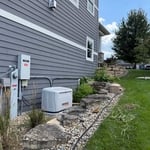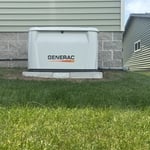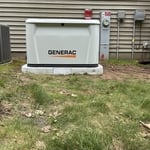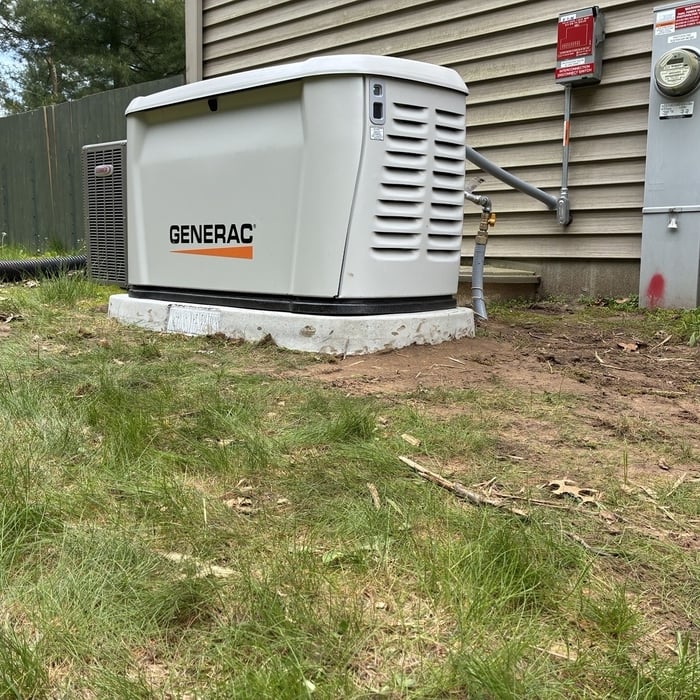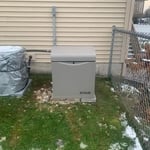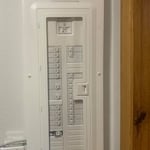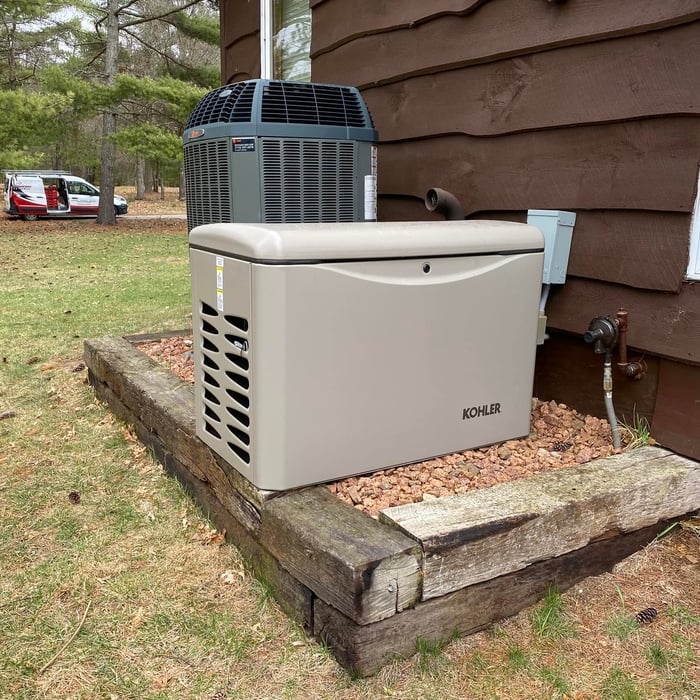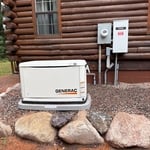




Top-rated generator install pros.

Get matched with top generator install pros in Withee, WI

Enter your zip and get matched with up to 5 pros

Need a pro for your generator install project in Withee, WI?

Select your specific project to find the pro for you.

Find Generator install pros in Withee

Tek Electric
2.3(
3
)
Fixed Generator - InstallFixed Generator - RepairGenerator - Install+4 more

Serving Withee, WI and surrounding areas

In business since 2002

Free estimates

Emergency services offered

"First, they were recommended to us for the whole house generator by home depot.  We were so happy with the generator that we had him do a bathroom fan at my house and a bathroom fan at my son's house.  I did some checking and that was a reasonable price.  With the work he did, it was more than reasonable.  The job was a little more involved than he thought it would be and he didn't have any problem with any of it.  Without anything to judge the pricing from, other than online and a couple of guys I had come over who weren't on the same page as me, I'd say excellent.  The quality was top of the line.  As soon as he got the generator, he got over here to put it in. As a matter of fact, I am thinking about calling him again for something."
Recommended by50%of homeowners
Ray's Electric Service, LLC
5.0(
1
)
Fixed Generator - InstallGenerator - Install - For BusinessGenerator - Repair - For Business+2 more

Serving Withee, WI and surrounding areas

In business since 1936

Free estimates

With several years of experience, we work hard to bring each customer the best possible service and quality available. We look forward to working with you on your next project. We welcome your questions and thank you for your interest.

Response time2 days
Response rate100%
Recommended by100%of homeowners
Generator Install questions, answered by experts

The average cost to install a home generator is $5,200, but total costs can range from $500 to $18,000 or more. The final price depends on several factors, including the generator's size, type, brand, fuel source, and the cost of labor and assembly. The generator's size is the most significant cost factor, as units that can power larger homes with higher energy demands cost more.

Cost breakdowns by generator type are typically as follows:

  • Portable or Emergency Backup Generators (1kW–7.5kW): $500–$2,000

  • Partial-Home Generators (9kW–20kW): $2,000–$6,500

  • Whole-House Generators (22kW–48kW): $5,000–$18,000

To ensure you get the right size unit for your needs without overpaying, consider hiring an electrician to calculate the electrical load of your essential appliances. It is also recommended to get at least three quotes from qualified installers to find the best fit for your budget.

Whole-house generators need to be installed on level ground several feet away from walls and other objects. Because they tap into the electrical system directly, they usually need to be close to your home electrical panel for a transfer switch installation. It also helps with installation if they are near to a gas line or propane tank installation.

Sizing a generator is a careful process that requires calculating the electrical load of your entire house. You have to take into account every device you want to use and their wattage requirements, plus the wattage needed to start them, and look for a generator that can safely run all that at around 80% capacity.

In more practical terms, a small home can run on a 10,000-watt generator (and if you only want to power a few key appliances, much less than that). A mid-sized home may need something between 15,000 and 22,000 watts. Larger homes require 25,000 watts or more. 

Natural gas and electricity rates vary significantly based on location, and pricing can change over time, too. It’s possible that in locations where natural gas is particularly inexpensive, it will cost less than grid-based electricity will. However, you should also factor in the generator’s initial costs and maintenance needs, as well as its noise level and if it can comfortably power all your home appliances.

The amount of time a standby generator can run continuously is around 3,000 hours on average. However, standby generators can generally run indefinitely as long as they have a continuous fuel supply. Generators hooked up to a home’s natural gas supply are the best option for extended usage, as these won’t rely on a finite fuel supply based on how much you have in storage. Generators running on liquid propane or diesel won’t last as long, as these require fuel storage and regular refueling to stay running.

The Withee, WI homeowners’ guide to generator installs

From average costs to expert advice, get all the answers you need to get your job done.