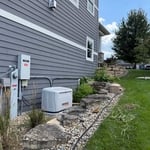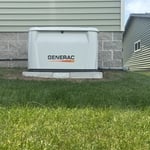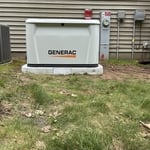

Top-rated generator install pros.

Get matched with top generator install pros in Chippewa Falls, WI

Enter your zip and get matched with up to 5 pros

Need a pro for your generator install project in Chippewa Falls, WI?

Select your specific project to find the pro for you.

Find Generator install pros in Chippewa Falls

Avatar for Next Generation Electrical, LLC
Next Generation Electrical, LLC
5.0(
5
)
Fixed Generator - InstallGenerator - Install - For Business

Serving Chippewa Falls, WI and surrounding areas

Approved

In business since 2018

Free estimates

Emergency services offered

"This guy gets right to it, we called he showed up the very next morning and gave us our quote and the very next week he came back and installed our brand new 26kw Generator.. We refer him to anyone with any electrical or Hvac needs"
Outdoor Electrical Service
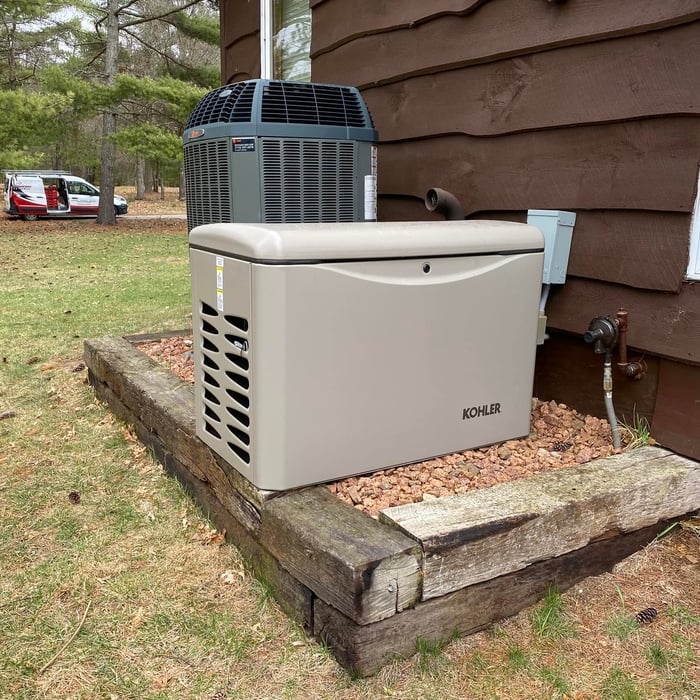
Kohler 20Kw Generator
Kohler 12Kw
Leviton 200A Panel
Generator

+2

Response time2 days
5 neighbors recently requested a quote
Recommended by80%of homeowners
Generator Install questions, answered by experts

You may need a permit for a portable generator if you’ll be installing a transfer switch for your primary residence or similar work. Otherwise, a permit for other uses may not be necessary. Check your local building codes or ask a local generator installer for more information about your local regulations.

Here’s what you can run with different wattages and types of generators:

Portable generator:

  • 2,000 watts can handle a large appliance like a freezer or refrigerator, plus a few smaller items like phones or computer chargers. 

  • 4,000 watts will keep two large appliances operating and a few smaller devices.

  • 8,000 watts should power most essential appliances and other devices, including a sump pump, well pump, or your dishwasher.

Partial to whole-house generator:

  • 20,000 watts and above will make it seem like your home’s power is still on.

Whole-house generators can run continuously for extended periods, even for weeks at a time (around 400 to 500 hours), as long as they have a sufficient fuel supply. However, this type of extensive use will increase wear and tear and can shorten the generator's overall lifespan. During long periods of operation, it's important to check and refill the engine oil as needed, potentially as frequently as daily depending on the model. If your generator uses a fuel tank, ensure it is kept full to prevent unexpected shutdowns.

Whole-house generators need to be installed on level ground several feet away from walls and other objects. Because they tap into the electrical system directly, they usually need to be close to your home electrical panel for a transfer switch installation. It also helps with installation if they are near to a gas line or propane tank installation.

No, you should never plug a generator directly into a wall outlet in your house. This practice is extremely dangerous, often illegal, and can cause "back-feeding," where power from the generator flows back into utility lines, creating a life-threatening hazard for utility workers. It can also damage your home's electrical system, including appliances like pumps and HVAC fans. If the main power is restored while the generator is connected, it can destroy the generator and cause an electrical fire. To safely connect a generator, you must use a professionally installed transfer switch or an interlocking kit, which prevents back-feeding by disconnecting your home from the utility grid before the generator provides power.

The Chippewa Falls, WI homeowners’ guide to generator installs

From average costs to expert advice, get all the answers you need to get your job done.