



Top-rated generator install pros.

Get matched with top generator install pros in Holcombe, WI

Enter your zip and get matched with up to 5 pros

Need a pro for your generator install project in Holcombe, WI?

Select your specific project to find the pro for you.

Find Generator install pros in Holcombe

Avatar for Wisconsin Generators LLC
Wisconsin Generators LLC
5.0(
9
)

Serving Holcombe, WI and surrounding areas

Approved

In business since 2023

Free estimates

Emergency services offered

"I cannot say enough great things about Jamie and the team at Wisconsin Generators LLC. From the very first conversation, Jamie was professional, knowledgeable, and incredibly responsive. He took the time to walk me through all my options, answered every question thoroughly, and made sure I felt confident in the decision we were making. The installation process was seamless. The crew showed up on time, worked efficiently, and treated our property with respect. Their attention to detail and commitment to doing the job right was obvious from start to finish. Everything was clean, organized, and completed exactly as promised. What really sets Jamie apart is his integrity and customer-first approach. There was no pressure just honest recommendations and clear communication. If you’re considering a standby generator, I highly recommend Jamie and Wisconsin Generators LLC. Reliable service, expert installation, and true peace of mind. Five stars all The way!!"
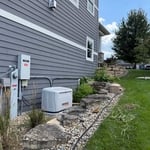
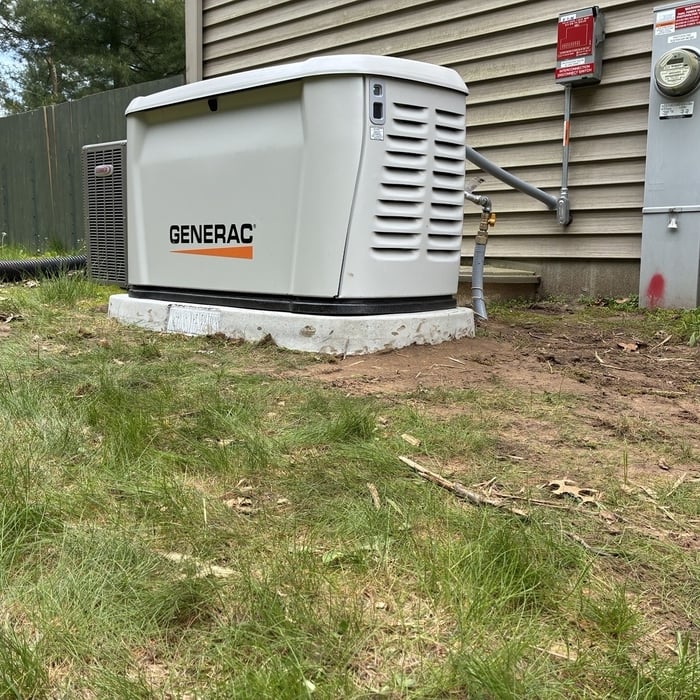
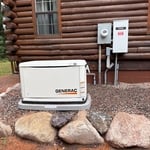
Whole house back up
Installation Trailer
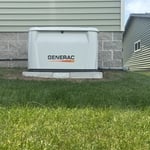
New propane generator
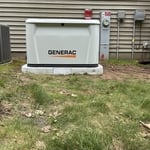
Partial home backup
Partial home backup

+1

24 neighbors recently requested a quote

Generator Install questions, answered by experts

Generators are safe to use as long as they are installed and operated correctly according to the manufacturer's recommendations. The most critical safety tips are to never use a portable or fuel-powered generator inside an enclosed space due to the risk of lethal carbon monoxide poisoning; always operate it outdoors where fumes can dissipate away from your home. Additionally, never attempt to connect a generator to your home’s electrical panel yourself—hire a professional to ensure the setup meets safety standards. Finally, avoid overloading the generator by not connecting more appliances than it is rated for, as this can damage your equipment or cause a fire.

To determine the right size generator for your house, you should calculate the total wattage of the appliances and devices you want to power during an outage. List all essential items, note their start-up wattages, and add them together.

Here are some typical wattage requirements for common appliances:

  • Refrigerator: 600 watts

  • Large dehumidifier: 700 watts

  • Large window air conditioner: 1,400 watts

  • Water heater: 3,000 to 4,500 watts

  • Electric furnace: 5,000 to 25,000 watts

A 7,500-watt generator might be sufficient for essentials like a refrigerator, freezer, well pump, and lighting circuits. However, for high-demand items like a water heater or furnace, a whole-home generator is a better choice. A portable generator may be enough if you only need to power a few critical items.

While home square footage can offer a rough estimate, it is not always a reliable indicator. For reference, here are some typical generator sizes based on square footage:

  • 1,000 sq ft: 6–9 kW

  • 1,500 sq ft: 7–10 kW

  • 2,000 sq ft: 10–14 kW

  • 2,500 sq ft: 12–16 kW

  • 3,000 sq ft: 16–20 kW+

For the most accurate sizing, consult a professional who can calculate your home's peak and average power consumption and recommend the optimal generator.

It might seem counterintuitive, but installing a generator transfer switch will save you money in the long run. While you’ll have to pay between $400 and $2,500 to have the transfer switch installed, you’ll recoup that amount later on when you don’t have to pay for expensive repairs to your appliances, devices, and electrical system that may have burned out, overloaded, or stopped working due to a sudden loss of power or an incorrect hook up of a generator to your home

Yes. You can connect your home back-up battery to a generator with its designated charger. Be sure that the output of the generator matches the input requirements for the battery for best results.

In some situations, yes. Never try to put biofuel into any home generator without checking the specifics first. If a generator has the ability to run on diesel, it can also run pure biofuel (the clear kind made from seed oils, for example). But if you are using biofuel made from animal fats or vegetable oils, the generator will need significant modifications before it can handle a sludgier type of biofuel.

The Holcombe, WI homeowners’ guide to generator installs

From average costs to expert advice, get all the answers you need to get your job done.