





Top-rated arborists.

Get matched with top arborists in Viroqua, WI

Enter your zip and get matched with up to 5 pros

Need a pro for your arboricultural service project in Viroqua, WI?

Select your specific project to find the pro for you.

TRUSTED BY VIROQUA, WI HOMEOWNERS

  • Average homeowner rating star icon4.5
    Average homeowner rating
  • Verified reviews icon25
    Verified arboricultural services reviews

Find Arborists in Viroqua

Avatar for Tree Loving Care LLC
Tree Loving Care LLC
5.0(
5
)
Tree RemovalTree Removal - For BusinessTree Trimming+1 more

Serving Viroqua, WI and surrounding areas

Approved

In business since 2021

Free estimates

Credit card accepted

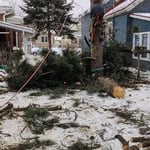
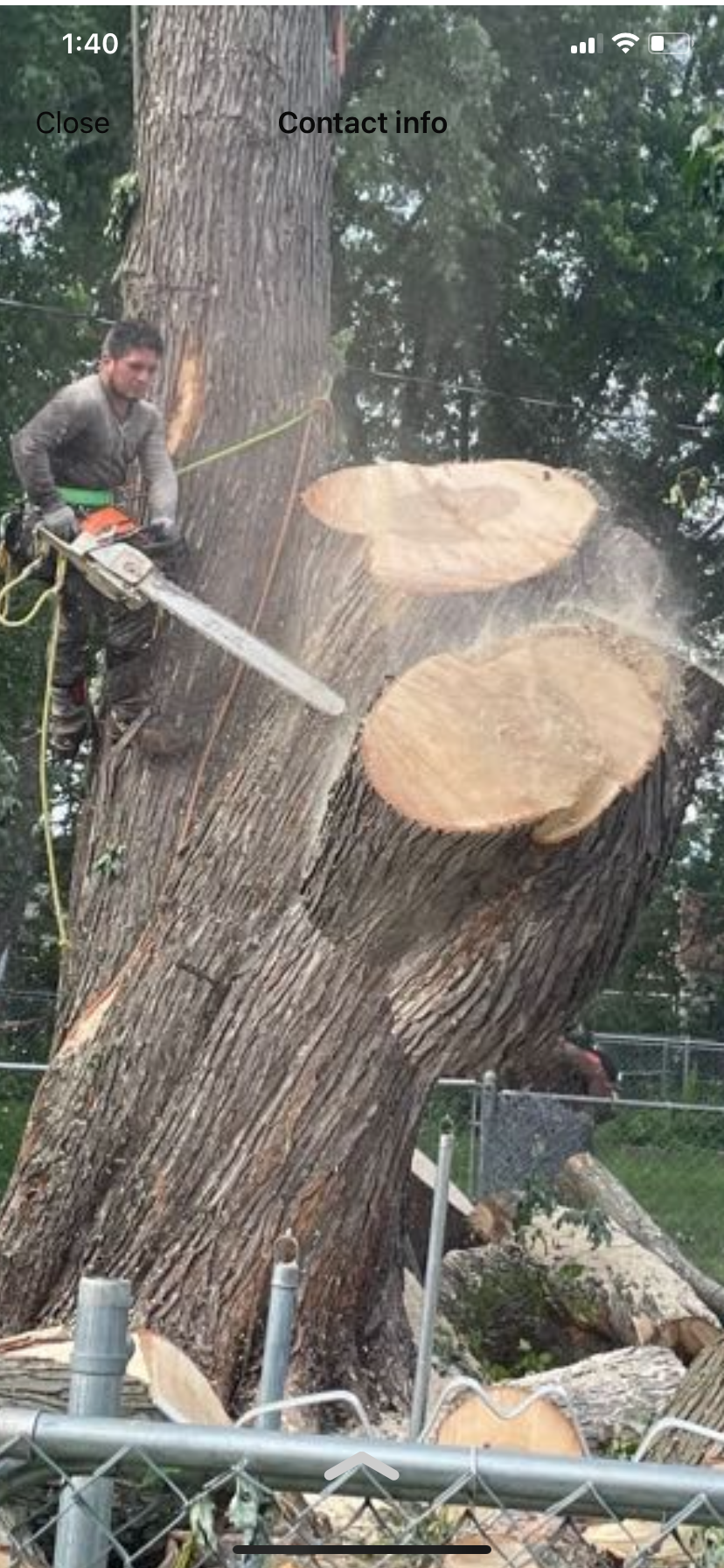
"We had a terrific experience with storm damage tree removal work done by Tree Loving Care, a Viroqua company. We had never used them before, but Emlyn showed up on time, was friendly and engaging, and did everything we asked and more. This all started with Wednesday's wind storms which were not kind to our front porch. Before and after pictures attached"
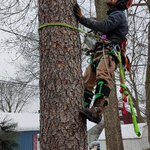
La Cross Pine Removal
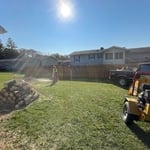
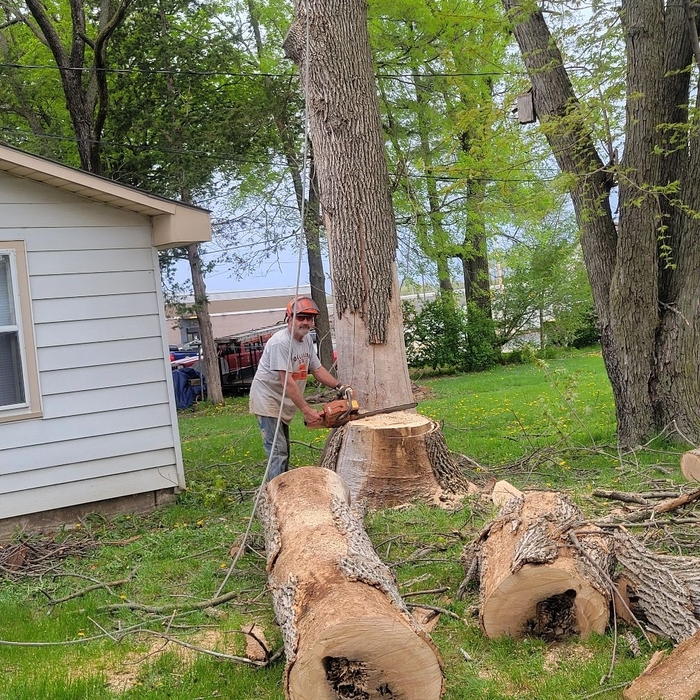
Silver Maple Removal
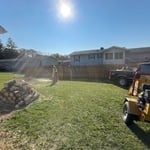
Cleaning up after tree removal
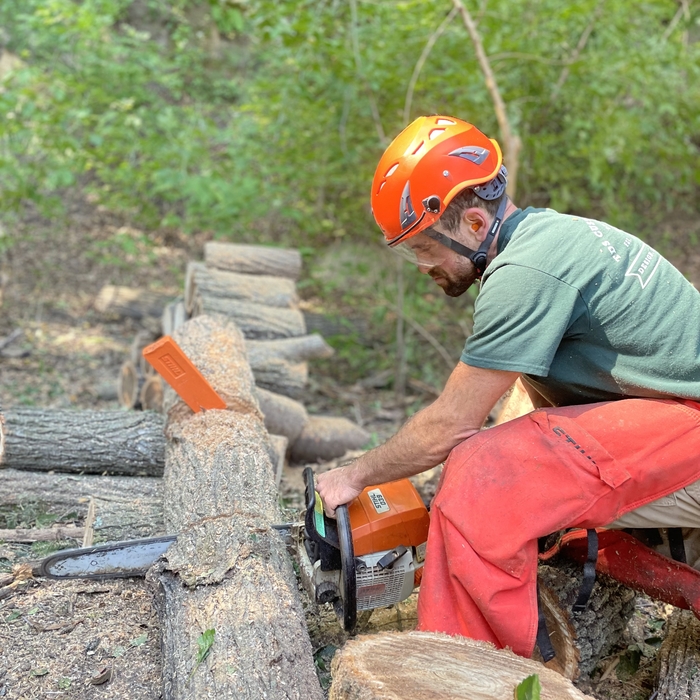
Bucking up a downed Elm Tree

+40

Response time2 hrs
Recommended by100%of homeowners
Bear Point LLC
New to Angi
Tree RemovalTree Stump - RemoveTree Trimming+1 more

Serving Viroqua, WI and surrounding areas

Approved

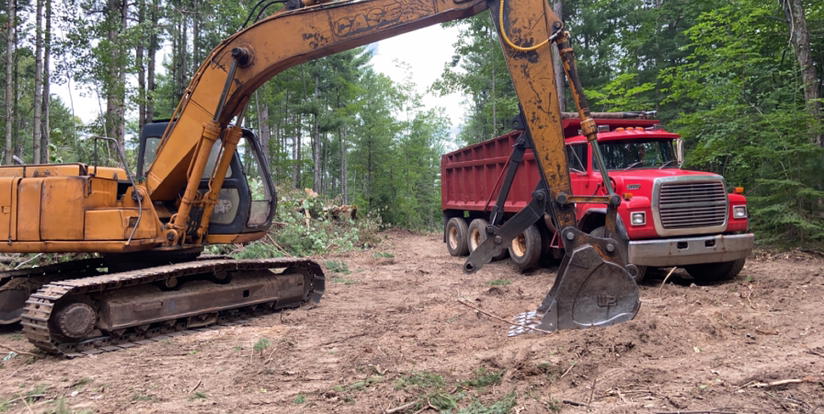
\nBear Point LLC specializes in land clearing, forestry mulching, brush removal, excavation, grading, and site preparation throughout Wisconsin. We take pride in providing reliable service, honest communication, and quality workmanship on every project. Whether you’re preparing a homesite, clearing trails, reclaiming overgrown property, or improving your land, we’re committed to delivering efficient, cost-effective solutions with a focus on safety and customer satisfaction.

1 neighbors recently requested a quote
H&H Lawn Care
5.0(
1
)
Tree RemovalTree TrimmingTree Trimming - For Business

Serving Viroqua, WI and surrounding areas

In business since 2015

Free estimates

Offers commercial services

We offer only the best in quality workmanship and professional courtesy. We specialize in all phases of commercial and residential landscaping. We are committed quality work and outstanding results & are strongly involved in local community activities. We look forward to working with you!\n\n

Recommended by100%of homeowners
Showing 1-10 of 30
Arborists questions, answered by experts

There are several methods to hollow out a tree stump, and the best one depends on your tools, experience, and priorities. Common methods include using a chisel and hammer, a chainsaw, or burning.

  • Chisel and Hammer: This is often considered the easiest approach for those with limited tools or experience, though it is the most time-consuming.

  • Chainsaw: Using a chainsaw is the fastest method, but it comes with significant safety risks, especially for inexperienced users.

  • Burning: This can be an effective method, but it is not recommended unless you can first drill holes into the stump. Without holes, the stump will be difficult to light and may not burn completely through.

A power drill with at least a ⅜-inch diameter bit can make the job quicker and easier, regardless of the primary method. While you can use a chisel or chainsaw without a drill, it will require more time and effort. Always wear protective goggles and thick gloves, as splinters are an inevitable risk.

If executed correctly your tree should survive after being transplanted to a new spot. However, effective transplanting requires six months, careful root pruning, safe transport to the new location, and replanting in prime soil conditions. You’ll also need an appropriately sized root ball for a complete tree transplant. A good rule of thumb is that, for every inch in diameter, your tree’s root ball needs to be around 11 inches. So a tree with a diameter of six inches needs a root ball of approximately 66 inches.

You don’t always need a permit to grind a stump, but you might need one depending on your location and the stump’s surroundings. Permits are often needed if the stump is part of a protected tree species, near public areas or utility lines, or close to environmentally sensitive zones like wetlands. Some cities also regulate noise and work hours. Always check local rules before grinding, and contact your city or county office if you're unsure.

Some trees, such as silver maples, birches, sycamores, and scotch pines, shed their bark naturally. If your tree is not one that does this, it might have fallen prey to pests, fungi, or diseases. It could also simply be suffering from an extreme weather change, such as a snowstorm or heat wave. If you’re still stumped, consulting with a pro can help you diagnose your tree’s specific problem.

In general, trees should be planted no closer than 15 to 20 feet from your foundation. For larger trees with far-reaching roots like maples, oaks, or poplars, a good guide is to plant as many feet from your home as the tree’s height is expected to reach at maturity. Some trees, like elms and willows, should only be planted far from where their roots may encounter sewer or water lines.

The Viroqua, WI homeowners’ guide to arboricultural services

From average costs to expert advice, get all the answers you need to get your job done.