



Top-rated arborists.

Get matched with top arborists in Ontario, WI

Enter your zip and get matched with up to 5 pros

Need a pro for your arboricultural service project in Ontario, WI?

Select your specific project to find the pro for you.

TRUSTED BY ONTARIO, WI HOMEOWNERS

  • Average homeowner rating star icon4.3
    Average homeowner rating
  • Verified reviews icon12
    Verified arboricultural services reviews

Find Arborists in Ontario

Avatar for Tree Loving Care LLC
Tree Loving Care LLC
5.0(
5
)
Tree RemovalTree Removal - For BusinessTree Trimming+1 more

Serving Ontario, WI and surrounding areas

Approved

In business since 2021

Free estimates

Credit card accepted

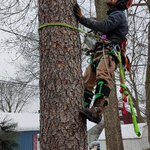
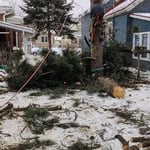
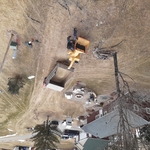
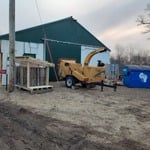
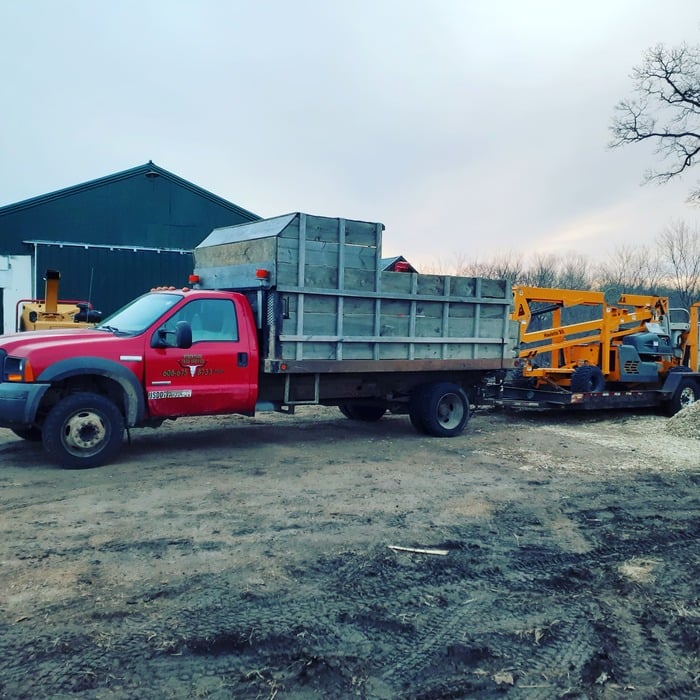
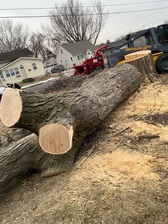
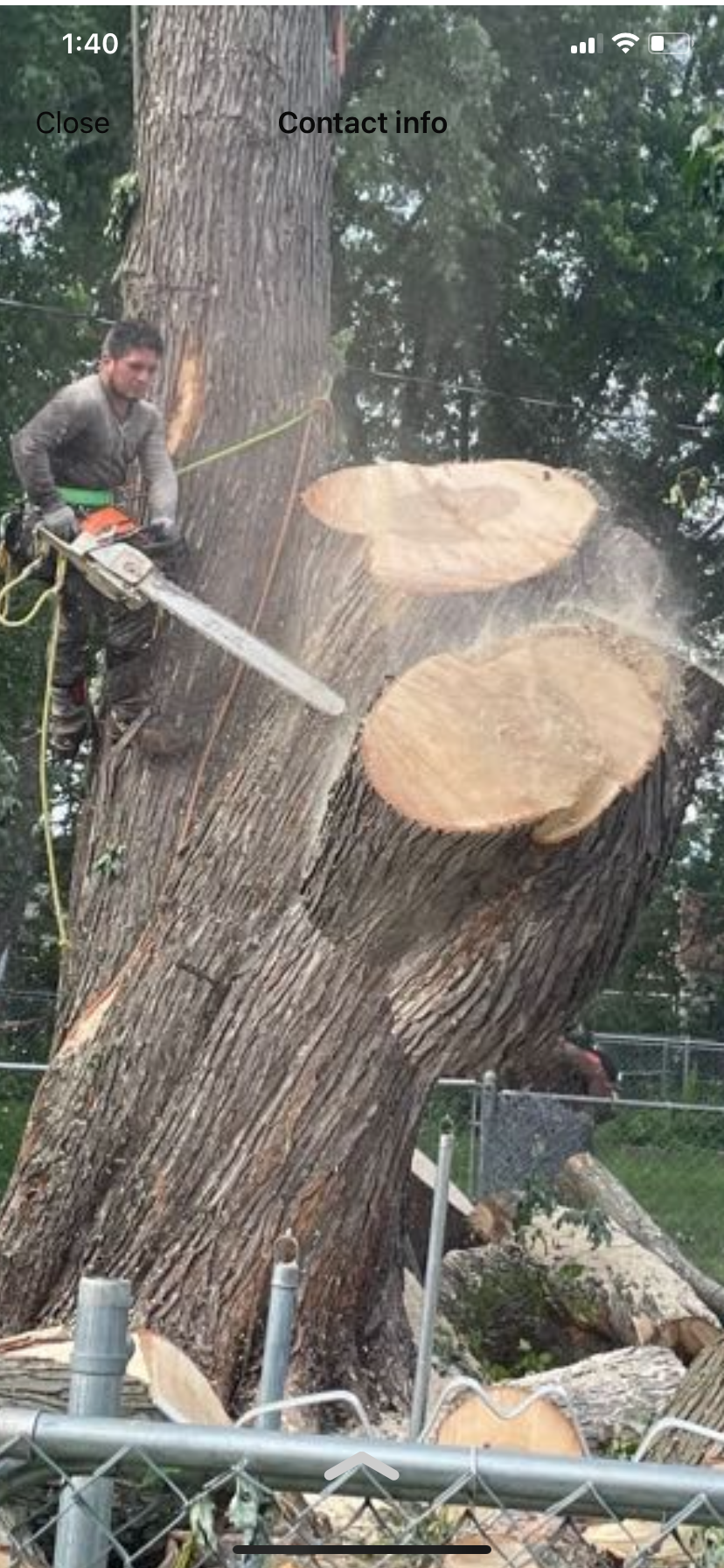
"We had a terrific experience with storm damage tree removal work done by Tree Loving Care, a Viroqua company. We had never used them before, but Emlyn showed up on time, was friendly and engaging, and did everything we asked and more. This all started with Wednesday's wind storms which were not kind to our front porch. Before and after pictures attached"
La Cross Pine Removal
Silver Maple Removal
Cleaning up after tree removal
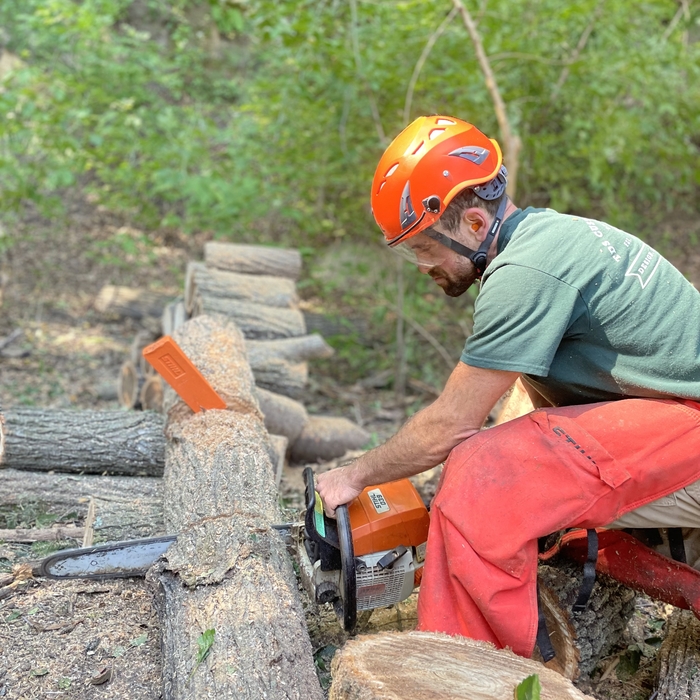
Bucking up a downed Elm Tree

+40

Response time2 hrs
Recommended by100%of homeowners

Bear Point LLC
New to Angi
Tree RemovalTree Stump - RemoveTree Trimming+1 more

Serving Ontario, WI and surrounding areas

Approved

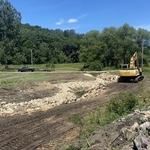
\nBear Point LLC specializes in land clearing, forestry mulching, brush removal, excavation, grading, and site preparation throughout Wisconsin. We take pride in providing reliable service, honest communication, and quality workmanship on every project. Whether you’re preparing a homesite, clearing trails, reclaiming overgrown property, or improving your land, we’re committed to delivering efficient, cost-effective solutions with a focus on safety and customer satisfaction.

1 neighbors recently requested a quote
Showing 1-10 of 36
Arborists questions, answered by experts

Most experts recommend removing a tree that has sustained more than 25% loss in the limbs, trunk, or circumference of the bark. Doing an initial trimming of damaged and dangling branches, but then waiting a few days of monitoring to decide how much more you might need to cut can help you better assess the total damage to the tree. However, consulting a tree maintenance pro to make this determination the best course of action before removing a tree.

If the roots are still alive, the dead tree will usually try to put out new shoots. That doesn’t mean the tree will survive or that the dead parts of a tree will come back to life. If parts of the tree have died and turned gray or rotten, nothing will bring them back to life and they need to be safely removed.

Unless there’s some sort of rule in your community’s homeowners’ association that requires you to remove a stump, there’s no law that says you have to take it out. If you’re not wedded to the idea of removing it, there are plenty of ways to get creative with this tree remnant. Using the stump as the medium for a wood carving or turning it into a planter are just two examples of ways to repurpose a tree stump.

It is possible to cut down a tree on your property yourself, but it is generally not recommended unless specific conditions are met. You should only consider this project if the tree is small (e.g., under 4-5 inches in diameter and short enough that you don't need a ladder to reach the branches), and you are experienced in handling a chainsaw. The tree must also be located far from any power lines, fences, homes, or other structures. Even for small trees, the work can be dangerous, and it's always advisable to have a spotter to ensure the tree falls correctly and no branches fall on you.

For any tree that is large, requires a ladder to access, or is near electrical lines or structures, you should always hire a professional. Attempting to remove a large tree yourself is extremely dangerous, poses a risk of serious injury, and could result in significant damage to your property.

Before any tree removal, it's also important to check your local and state regulations to ensure the tree is not historic or otherwise protected by your city.

Ivy eventually kills trees by restricting its growth, blocking sunlight, absorbing nutrients and water from the soil, and weakening the tree. Trees with ivy are more likely to experience diseases, pests, rot, and fungi growth. When ivy weighs down tree branches, the tree is more likely to break during a storm and cause damage.

The Ontario, WI homeowners’ guide to arboricultural services

From average costs to expert advice, get all the answers you need to get your job done.