





Top-rated retaining wall installation pros.

Get matched with top retaining wall installation pros in Vesper, WI

Enter your zip and get matched with up to 5 pros

Need a pro for your retaining wall installation project in Vesper, WI?

Select your specific project to find the pro for you.

TRUSTED BY VESPER, WI HOMEOWNERS

  • Average homeowner rating star icon4.1
    Average homeowner rating
  • Verified reviews icon18
    Verified retaining wall installation services reviews

Find Retaining wall installation pros in Vesper

Avatar for Jorge's Lawn Care
Jorge's Lawn Care
3.3(
7
)
Retaining Wall - Install

Serving Vesper, WI and surrounding areas

In business since 2019

Free estimates

Emergency services offered

"They removed all mulch beds and a lot of shrubs. They replaced the mulch with new fabric and added rock. The weather was hot and humid but everything was finished in 2.5 days. It is exactly what I wanted."
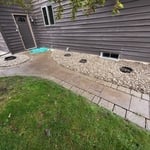
Appleton WI project
Lake Front Cabin
Basketball court concrete pad
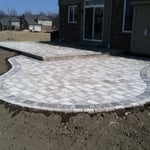
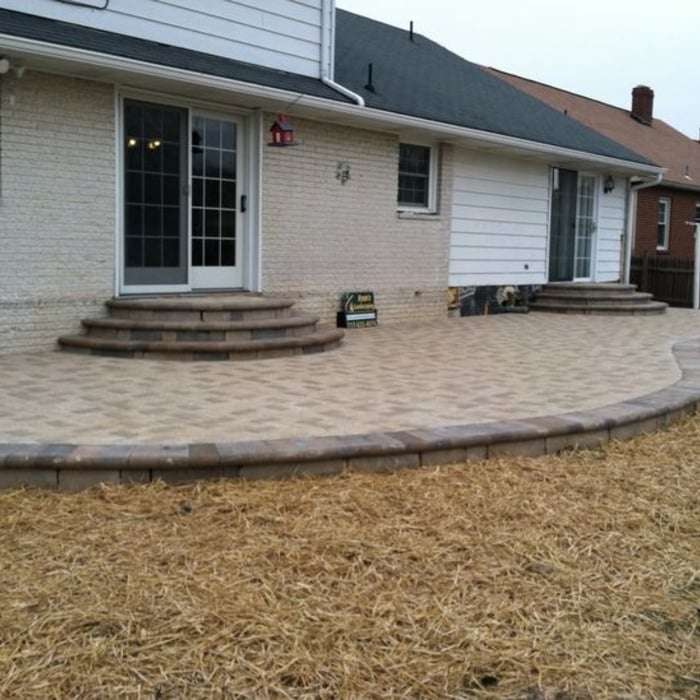
This is a light gray custom pattern patio with a dark gray boarder.
Stevens Point Patio

+160

Response time1 day
Response rate100%
Recommended by57%of homeowners
Retaining Wall Installers questions, answered by experts

Sand and gravel are two suitable options for filling behind a retaining wall. If you’re building your own retaining wall, you’ll complete this part of the process—known as backfilling—after you finish laying the blocks. Make sure not to skip it—otherwise, you could wind up with drainage issues, which can cause your retaining wall to collapse.

Yes, to build a retaining wall, a permit is required. Similarly, any repairs or modifications to an existing retaining wall require permits. If the planned wall measures higher than 4 feet, most municipalities require designs and permits come through a licensed engineer. In some locations, if the wall is shorter than 4 feet, a permit may not be required. For the requirements in your area, contact your local government.

Failure to compact the soil during construction is the most common cause of leaning retaining walls. In addition, poor drainage can lead to excessive water pressure behind a retaining wall, pushing against it until it begins to move forward away from the soil it is holding back.

Generally speaking, a retaining wall should be between 3 and 4 feet high, depending on variables such as the wall-building material, the purpose of the retaining wall, and more. If you want your retaining wall to be taller than 4 feet, check with your local building ordinance office for the maximum allotment. You may also need a special permit for retaining walls over 4 feet tall.

Most railroad tie retaining walls have a life span of 20 to 30 years, though you may need to replace your wall sooner if it’s repeatedly exposed to heavy rain, runoff, and excess moisture. Railroad ties are typically treated with creosote, which makes them much more durable than untreated wood. Though they last longer, they don’t last forever. For the most longevity, make sure your retaining wall has a sturdy base and steel reinforcements. You should also install drainage to direct water away from the wall.

The Vesper, WI homeowners’ guide to retaining wall installation services

From average costs to expert advice, get all the answers you need to get your job done.