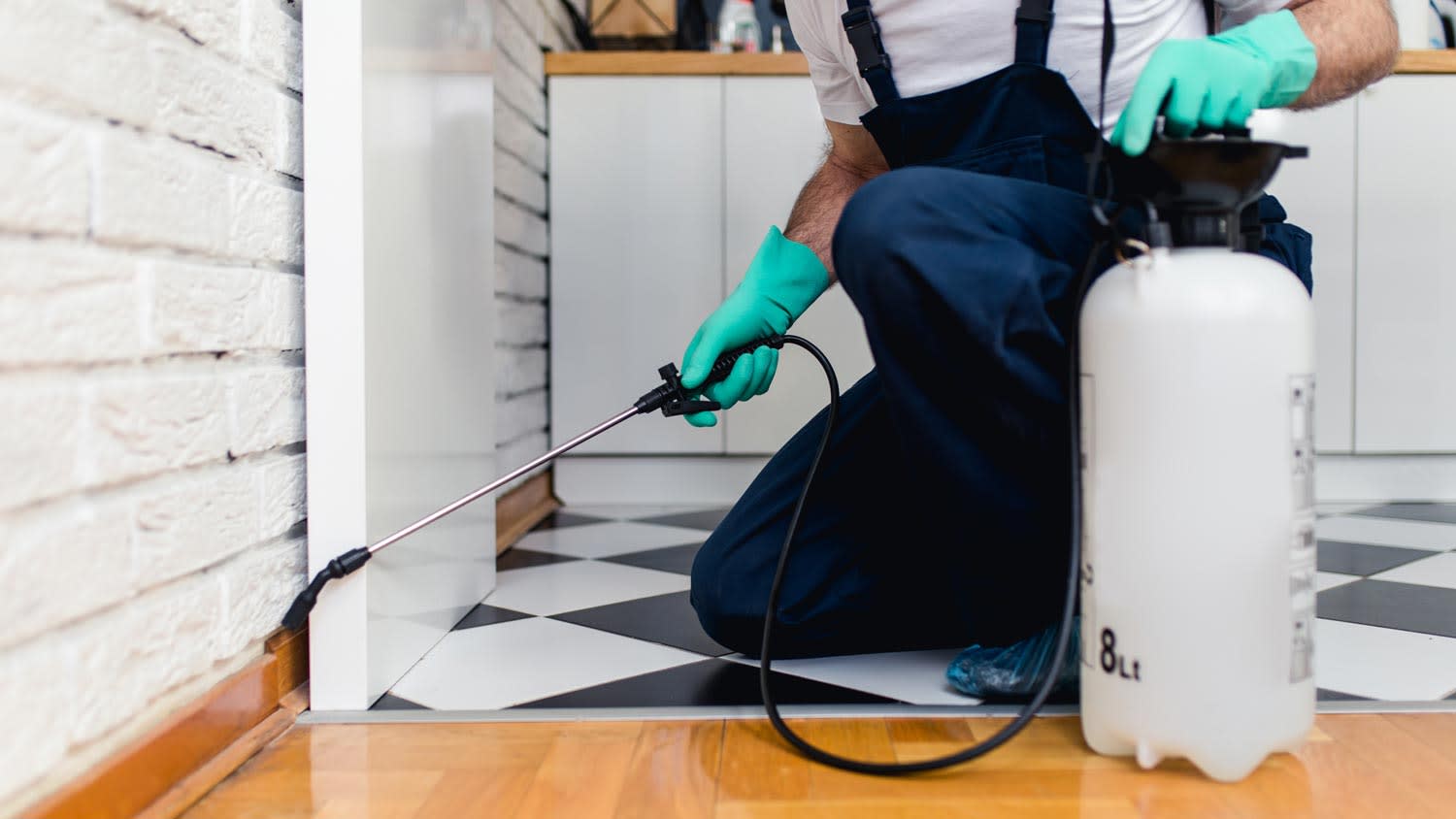







Top-rated pest control specialists.

Get matched with top pest control specialists in Turtle Lake, WI

Enter your zip and get matched with up to 5 pros

Need a pro for your pest control project in Turtle Lake, WI?

Select your specific project to find the pro for you.

TRUSTED BY TURTLE LAKE, WI HOMEOWNERS

  • Average homeowner rating star icon4.8
    Average homeowner rating
  • Verified reviews icon23
    Verified pest control services reviews

Find Pest control specialists in Turtle Lake

Pest Control questions, answered by experts

Although it takes time and possibly multiple treatments, roaches can be eradicated from your home. However, they can return if the conditions are right. That’s why taking the steps to prevent an infestation is key. You may also want to discuss preventative pest control treatments with your exterminator. That way, you can reduce the risk of another infestation. 

Yes, wolves are generally afraid of humans, as well as most large carnivores, such as bears. The risk of a wolf attacking a human or killing them is very low. Biologists hypothesize that this fear was instilled over centuries of humans hunting wolves and the fact that humans have an upright posture like bears that wolves are also afraid of. Like all wildlife, it’s best not to feed wolves and keep them at a distance from yourself and your home. 

Yes, it’s safe to sleep in a house with termites. They don’t bite or spread disease and they aren’t likely to crawl on you or invade your personal space. However, termites can cause serious structural damage over time, which may compromise your home’s safety if left untreated. If you suspect an infestation, it’s best to schedule a professional inspection and treatment to prevent long-term risks to your property (not to mention your peace of mind).

Ants hate strong odors such as peppermint, citrus, cinnamon, and essential oils such as lavender and eucalyptus. You can sprinkle cinnamon in the area or combine essential oils with water to form a spray that repels ants in the event of an infestation—just make sure nothing you apply will harm your surfaces, kids, or pets.

Groundhogs have a strong aversion to powerful scents, including garlic, ammonia, vinegar, hot peppers like cayenne, and predator urine. Various herbs such as rosemary, lavender, basil, mint, sage, thyme, and oregano can also act as deterrents. You can strategically use these odors around your property by planting these crops near your garden and by the entrances to groundhog burrows. Commercially available repellents offer another option, and for best results, scent-based deterrents should be used alongside other preventive measures.

The Turtle Lake, WI homeowners’ guide to pest control services

From average costs to expert advice, get all the answers you need to get your job done.