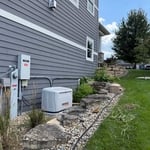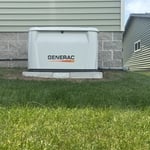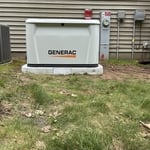




Top-rated generator install pros.

Get matched with top generator install pros in Strum, WI

Enter your zip and get matched with up to 5 pros

Need a pro for your generator install project in Strum, WI?

Select your specific project to find the pro for you.

Find Generator install pros in Strum

Avatar for GMS ELECTRIC LLC
GMS ELECTRIC LLC
5.0(
3
)

Serving Strum, WI and surrounding areas

In business since 2022

Free estimates

Emergency services offered

"We needed a few outlits fixed and some updates to the electrical panel before we sold our home and GMS electric was fast to respond and had the work done within the week. Very friendly and fast! Definitely recommended them for your home electrical needs!"
Panel
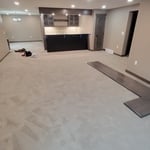
Basement
Coverall Lights
Sledding Hill Lights
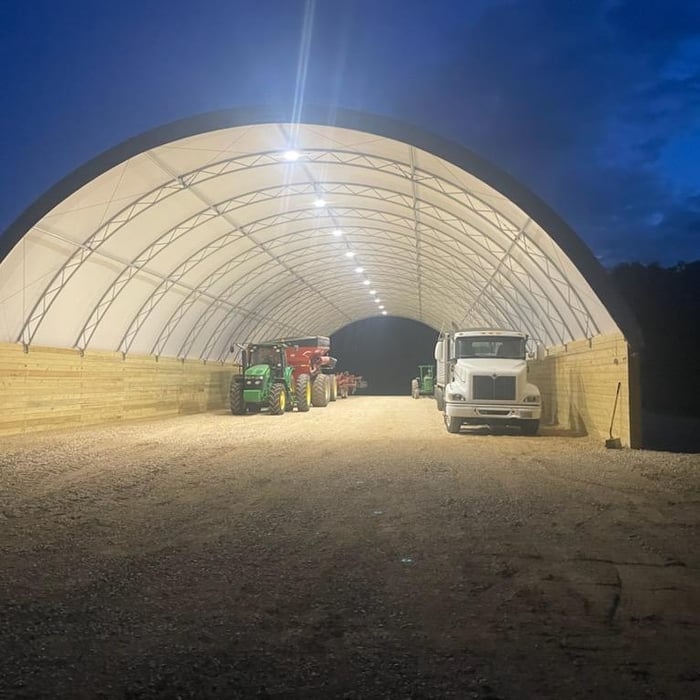
Coverall at night

+4

Response time30 mins
Recommended by66%of homeowners
Rentas Electric LLC
New to Angi

Serving Strum, WI and surrounding areas

In business since 2025

We take great pride in our experience, expertise, quality and customer service that we provide to meet every consumer's needs.\nIt is our mission to provide excellent customer service from start to completion of a project.\nTo understand the needs and expectations of our customers, we take great care to work and communicate with every customer in a personal and professional manner.\nOur reputation is based on service, safety and quality, regardless of how large or small the job.\n

Generator Install questions, answered by experts

No, you should never plug a generator directly into a wall outlet in your house. This practice is extremely dangerous, often illegal, and can cause "back-feeding," where power from the generator flows back into utility lines, creating a life-threatening hazard for utility workers. It can also damage your home's electrical system, including appliances like pumps and HVAC fans. If the main power is restored while the generator is connected, it can destroy the generator and cause an electrical fire. To safely connect a generator, you must use a professionally installed transfer switch or an interlocking kit, which prevents back-feeding by disconnecting your home from the utility grid before the generator provides power.

Sizing a generator is a careful process that requires calculating the electrical load of your entire house. You have to take into account every device you want to use and their wattage requirements, plus the wattage needed to start them, and look for a generator that can safely run all that at around 80% capacity.

In more practical terms, a small home can run on a 10,000-watt generator (and if you only want to power a few key appliances, much less than that). A mid-sized home may need something between 15,000 and 22,000 watts. Larger homes require 25,000 watts or more. 

You can determine what size generator you need for a transfer switch by matching the switch to the largest outlet on your generator. Larger generators can power up to 10 circuits, while most 5,000-watt generators can provide power to six circuits. So, if your generator’s largest outlet is 30 amps, you’ll need a 30-amp transfer switch.

Yes, natural gas generators can work without electricity. Natural gas generators are a common type of backup or whole-house generator that operates when the electrical grid isn’t working. The trick is using a transfer switch (which usually needs to be installed with the generator) that safely switches the home electrical system from the power grid to generator power when needed.

You may need a permit for a portable generator if you’ll be installing a transfer switch for your primary residence or similar work. Otherwise, a permit for other uses may not be necessary. Check your local building codes or ask a local generator installer for more information about your local regulations.

The Strum, WI homeowners’ guide to generator installs

From average costs to expert advice, get all the answers you need to get your job done.