





Top-rated radon detection and reduction specialists.

Best radon detection and reduction specialists near Rice Lake, WI

Enter your zip and get matched with up to 5 pros

Need a pro for your radon detection and reduction project in Rice Lake, WI?

Select your specific project to find the pro for you.

Top-Rated Radon detection and reduction specialists in Rice Lake - Updated Nov 2026

Avatar for Northland Home Inspections
Northland Home Inspections
4.5(
28
)
Radon Gas - Testing

Serving Rice Lake, WI and surrounding areas

Approved

In business since 2019

Free estimates

Credit card accepted

Welcome to Northland Home Inspections! We are committed to exceeding your expectations. As experts, we handle your needs with high quality expertise that your home deserves. We offer competitive prices, and customer satisfaction is our core priority. Call us now, or visit our website to set up a meeting or get a quote!

Response time8 hrs
5 neighbors recently requested a quote
Recommended by92%of homeowners
Tradesman Home Inspection, LLC
5.0(
2
)
Radon Gas - Testing

Serving Rice Lake, WI and surrounding areas

In business since 2021

Free estimates

Scott is committed to excellence in every aspect of our business. We uphold a standard of integrity bound by fairness, honesty, and personal responsibility. Our distinction is the quality of service we bring to our customers. Accurate knowledge of our trade combined with ability is what makes us true professionals. Above all, we are watchful of our customers' interests and make their concerns the basis of our business

Response time1 day
Recommended by100%of homeowners
Microbe Guard
1.0(
1
)
Radon Gas - AbatementRadon Gas - Testing

Serving Rice Lake, WI and surrounding areas

In business since 2004

Microbe Guard of Western Wisconsin, LLC has been successfully completing mold remediation projects since 2004; we offer a professional and experienced approach when handling microbial remediation projects. There are thousands of types of mold that occur naturally in our environment. Most are harmless, some cause allergic reactions and others can be toxic enough to create severe health problems in some individuals. Microbe Guard of Western Wisconsin, LLC will help you determine the mold types and concentration levels in your home or workplace with our state of the art testing equipment. The remediation process includes identifying mold, locating and eliminating the source of moisture intrusion, properly containing the affected area from the rest of your home, running HEPA "air scrubber machines," removing and encapsulating mold, and properly disposing of all contaminated materials. Indoor Air Quality is of the most importance to you and your family. Contaminants such as mold can create serious health issues. Microbe Guard of Western Wisconsin, LLC will manage your project from beginning to end with our knowledge and expertise. We look forward to working with you.

Radon Detection and Reduction FAQs, answered by experts

There are steps you can take as a homeowner to remediate radon yourself. While a radon reduction professional can make the biggest impact in your home, you can make efforts to improve radon levels on your own by sealing cracks, increasing ventilation, and testing for radon regularly.

Radon is the number one non-smoking cause of lung cancer in the United States, but it can cause some other concerning side effects in the meantime. If you have a raspy voice, chest pains, trouble breathing, difficulty swallowing, or any of the above, don’t hesitate to perform radon testing and install a mitigation system as soon as possible.

No level of radon is technically safe, but since it is naturally present everywhere, it is impossible to avoid entirely. The average radon level in homes across the United States is 1.3 picocuries per liter (pCi/L). The Environmental Protection Agency (EPA) recommends taking action to reduce radon levels if your home's test results are between 2 and 4 pCi/L or higher.

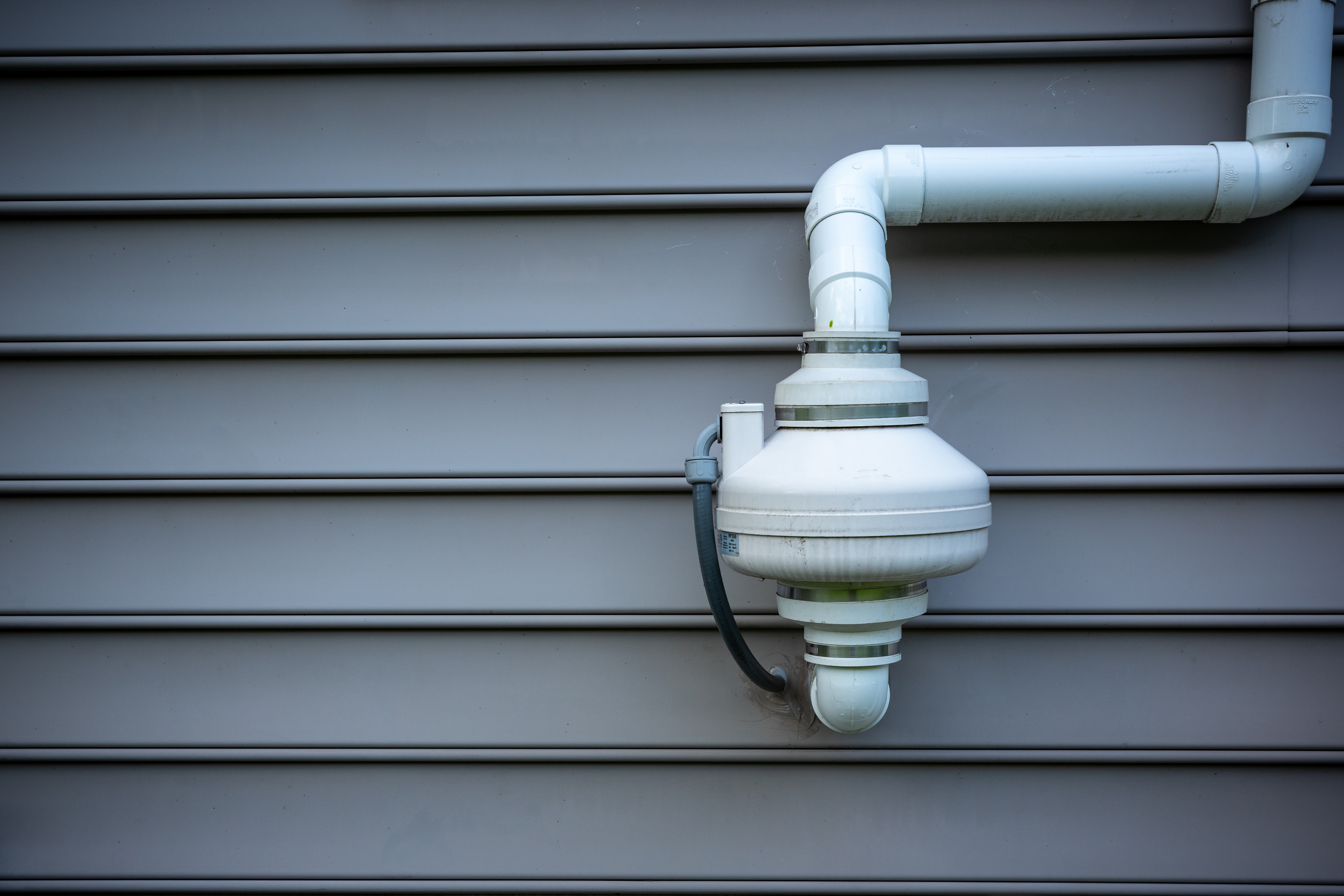
Your radon fan needs to operate 24/7 to be effective. The only time the fan isn't operating is during its replacement. Radon levels in the home can increase within hours if the fan stops working or something obstructs the stack vent. Fortunately, radon systems require no downtime maintenance between fan changes.

Keeping radon from getting into your home is much better than having to get rid of it once it's already indoors. While there may not be a way to fully prevent radon from getting into your home, there are things you can do to reduce the gas's ability to enter. 

Sealing foundation cracks and openings can help keep the gas from seeping inside. Improving air flow, such as by opening windows, can also be helpful. If you're building your home from scratch, talk to your contractor about using radon-resistant construction to keep the gas out.

The Rice Lake, WI homeowners’ guide to radon detection and reduction services

From average costs to expert advice, get all the answers you need to get your job done.