


Top-rated radon detection and reduction specialists.

Get matched with top radon detection and reduction specialists in Stone Lake, WI

Enter your zip and get matched with up to 5 pros

Need a pro for your radon detection and reduction project in Stone Lake, WI?

Select your specific project to find the pro for you.

Find Radon detection and reduction specialists in Stone Lake

Avatar for American Waterworks
American Waterworks
4.5(
171
)
Radon Gas - AbatementRadon Gas - Testing

Serving Stone Lake, WI and surrounding areas

Approved

In business since 1989

Free estimates

Warranties offered

"This job was completed efficiently and professionally. A design specialist came to test and measure every detail for the project. The crew arrived with everything needed for the job. They worked very hard to install Waterguard in the concrete floors inside around the foundation to the sump pump basket. They also installed Geo-lock anchors to support a block wall that was bowed. This company has 36 years in business and provides excellent results and professional customer relations. Call Amer. Wtrwrks for a free estimate. You will not be disappointed. A wise investment of $11,270."
Another Sinking Floor
Dirt Crawlspace in Elk Mound, WI
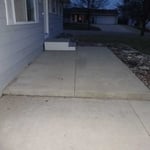
Concrete stoop had sunk over 6 inches
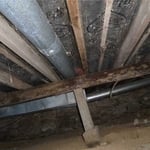
Foundation Failure Signs
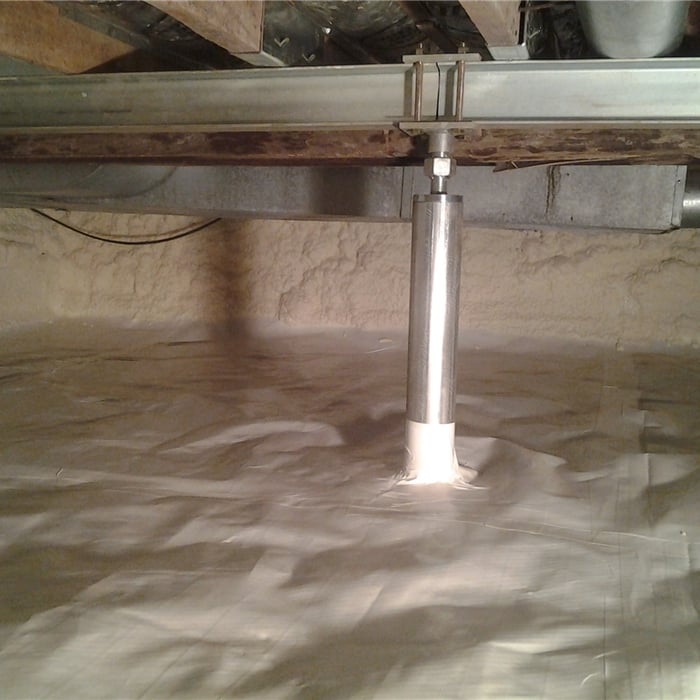
Increased Efficiency of Crawlspace in Elk Mound

+156

Response time4 hrs
652 neighbors recently requested a quote
Recommended by92%of homeowners
Avatar for Koti-Home, LLC
Koti-Home, LLC
5.0(
2
)
Radon Gas - Testing

Serving Stone Lake, WI and surrounding areas

In business since 2015

Free estimates

Emergency services offered

"Brandon is great! He helped me out when I found myself in a time crunch for getting an inspection. He was very thorough and honest. He even checked out the treehouse in the back yard! I would highly recommend Koti-Home!"
Home Ispected
Response time7 hrs
Recommended by100%of homeowners
Radon Detection and Reduction questions, answered by experts

Options include sub-slab depressurization, crawlspace ventilation, and sealing cracks. Choose based on home construction and radon levels.

The natural breakdown of uranium in soil, rock, and water can cause radon to appear in a home. The gas seeps into homes through cracks in foundations, walls, or floors, as well as through gaps around pipes or construction joints. Radon levels are influenced by soil composition, building materials, and ventilation. Poorly sealed or airtight homes can trap radon, allowing it to accumulate.

No level of radon is technically safe, but since it is present everywhere, complete avoidance is impossible. The average radon level in homes across the United States is 1.3 picocuries per liter (pCi/L). The Environmental Protection Agency (EPA) recommends taking preventative measures if your home's radon levels are between 2 and 4 pCi/L or higher.

The fan that pulls the radon out of the air needs to run continuously, so you may see an increase in your electric bill once you install the mitigation system. Additionally, you may see an increase in your heating or cooling bills, as the fan can cause some loss of hot or cool air.

The lifespan of a radon mitigation system depends on the type of system and its maintenance. With proper care, a system can last for many decades. Passive systems tend to last longer as they have fewer components that require replacement. Active systems, which have more moving parts like fans, generally have a shorter lifespan. For instance, water filtration devices and active pressurization systems require more frequent maintenance. While the system as a whole is durable, the radon fan in an active system typically has a lifespan of 5 to 10 years and will need to be replaced. As long as the fan is working, the mitigation system should function correctly.

The Stone Lake, WI homeowners’ guide to radon detection and reduction services

From average costs to expert advice, get all the answers you need to get your job done.