



L&L Concrete and Construction
Retaining Wall - Install
Serving Rhinelander, WI and surrounding areas
In business since 2022
Free estimates
Offers commercial services
10 Years \nquality over quantity
*The Angi rating for Retaining Wall Installation companies in Rhinelander, WI is a rating based on verified reviews from our community of homeowners who have used these pros to meet their Retaining Wall Installation needs.
*The HomeAdvisor rating for Retaining Wall Installation companies in Rhinelander, WI is a rating based on verified reviews from our community of homeowners who have used these pros to meet their Retaining Wall Installation needs.
Last update on September 06, 2024
From average costs to expert advice, get all the answers you need to get your job done.
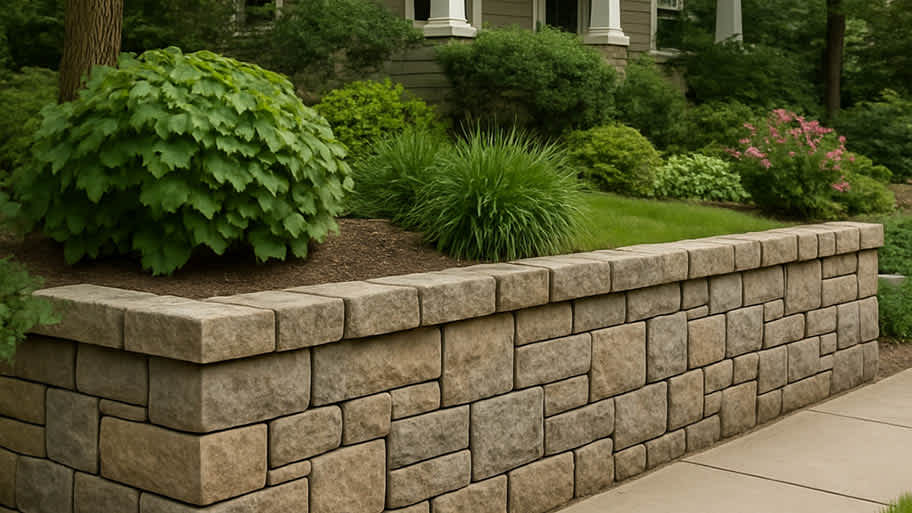
Kick erosion to the curb with an eye-catching retaining wall. Retaining wall costs vary based on the material, but this guide will help you budget.
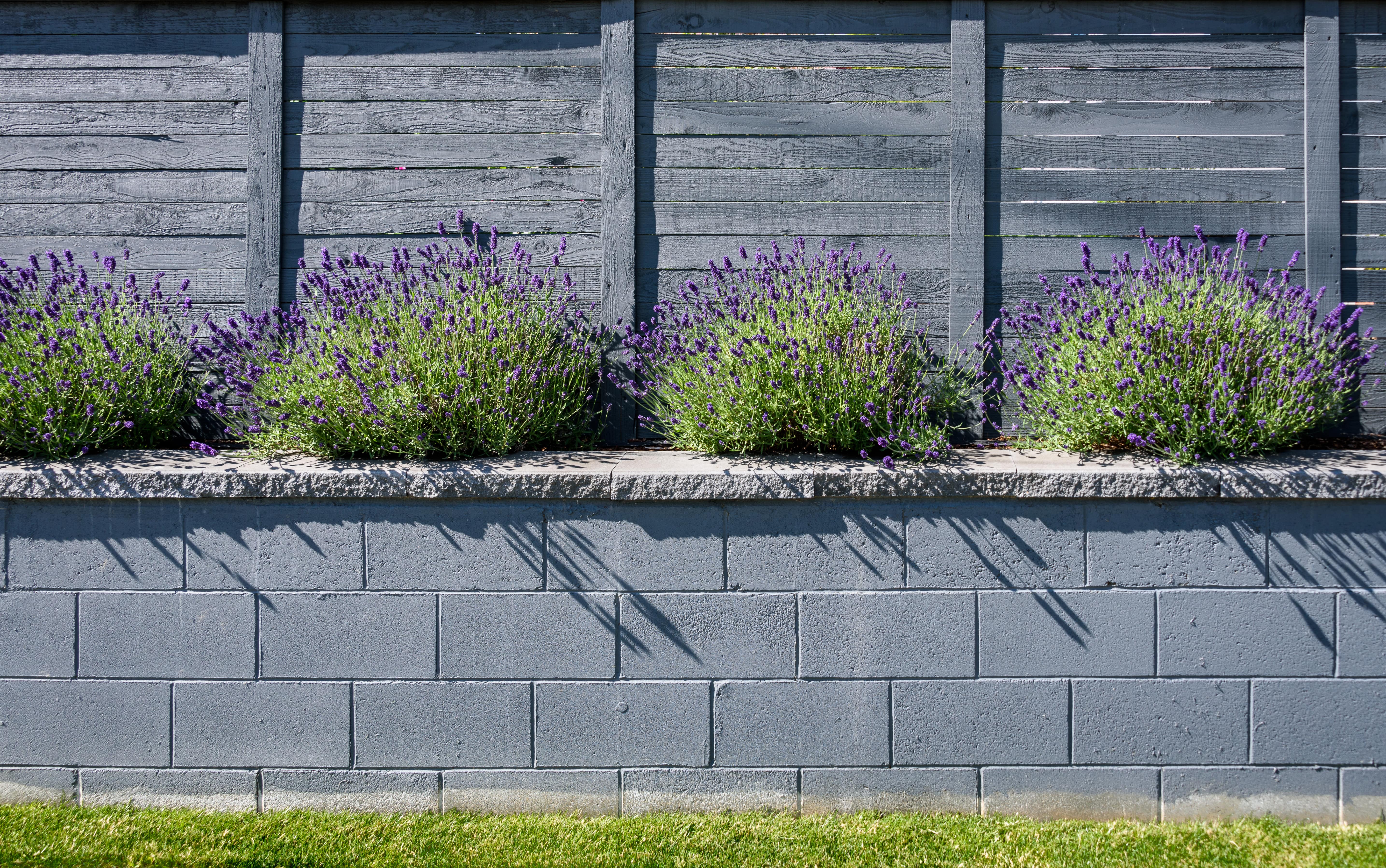
Find out how much a concrete retaining wall costs. Get average prices, cost factors, and expert tips to budget and save on your installation.
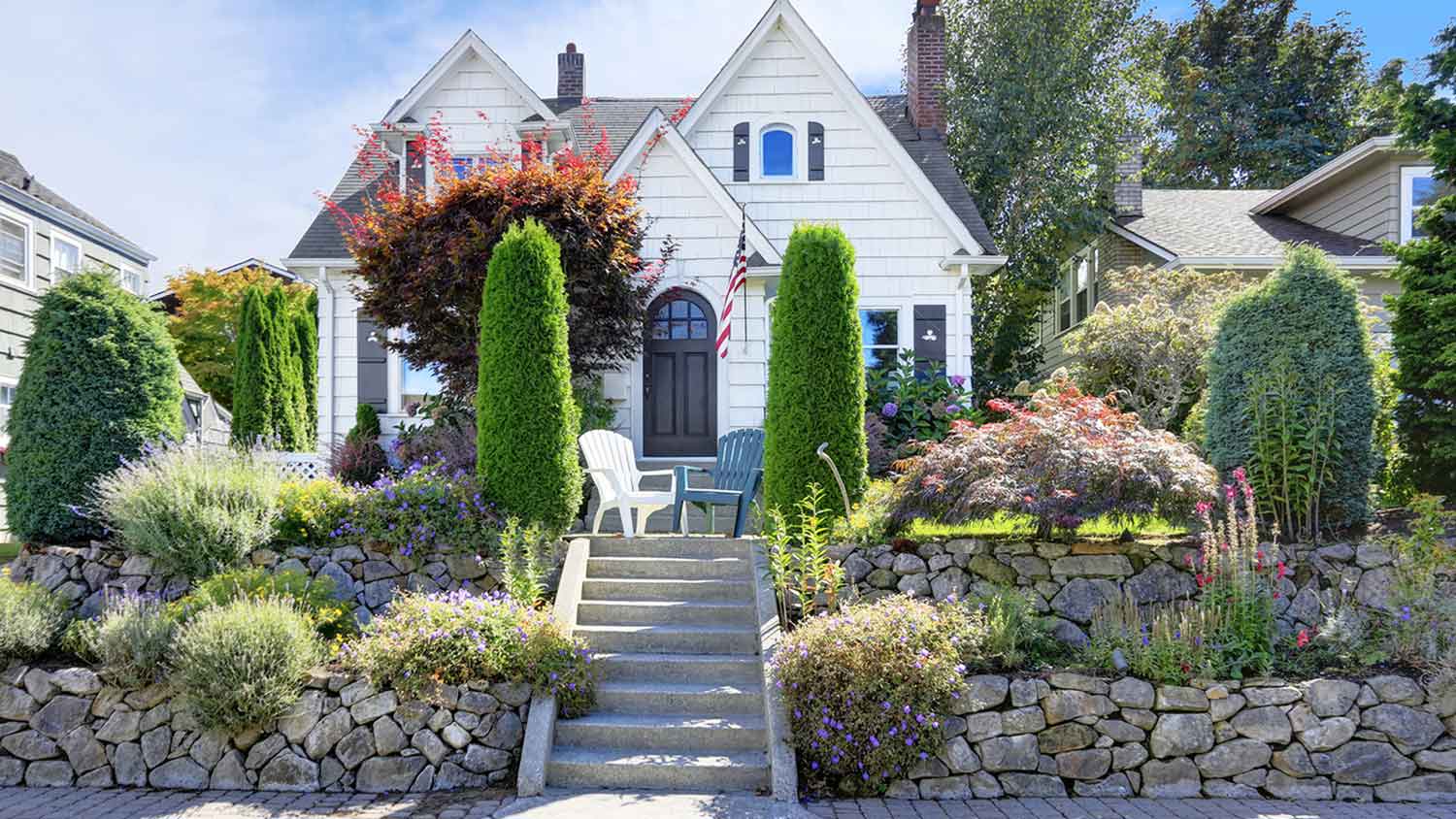
Retaining wall repair cost can vary widely based on the age and condition of the wall being restored. Learn why finding the right pro is important for getting the job done.
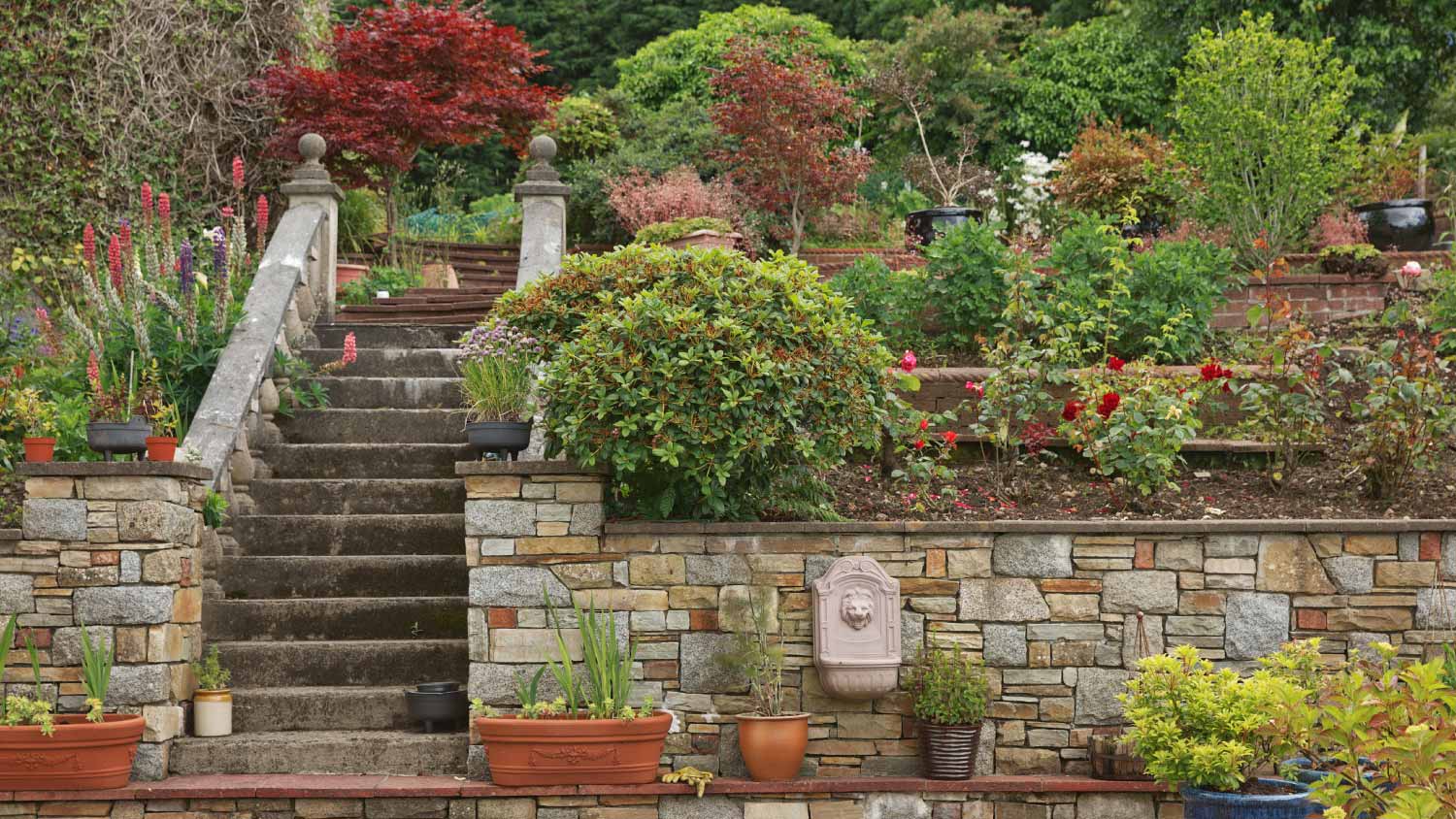
While it’s possible to DIY build a retaining wall, several pros have advanced knowledge of hardscaping and building. Learn who to hire to build a retaining wall.
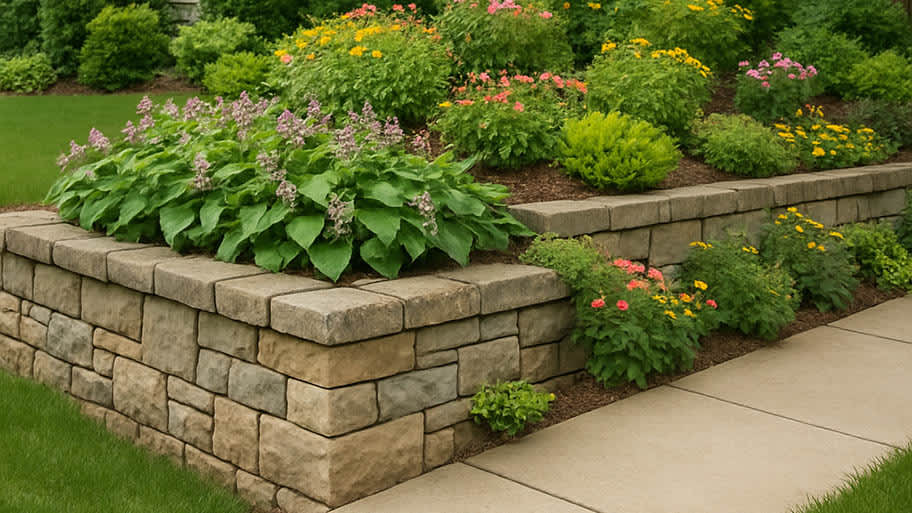
There is no one-size-fits-all retaining wall for your yard. In fact, the options are endless. Check out 20 retaining wall ideas to upgrade your hardscape.
Stop soil erosion with a wood retaining wall installation. Learn about timber costs, warning signs, and how to hire a local retaining wall builder.