






Top-rated paving pros.

Get matched with top paving pros in Pulaski, WI

Enter your zip and get matched with up to 5 pros

Need a pro for your paving service project in Pulaski, WI?

Select your specific project to find the pro for you.

TRUSTED BY PULASKI, WI HOMEOWNERS

  • Average homeowner rating star icon4.3
    Average homeowner rating
  • Verified reviews icon17
    Verified paving services reviews

Find Paving pros in Pulaski

Avatar for Concrete Craftsman LLC
Concrete Craftsman LLC
New to Angi

Serving Pulaski, WI and surrounding areas

Approved

Free estimates

Offers commercial services

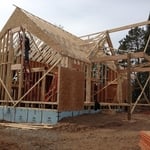
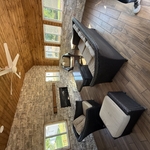
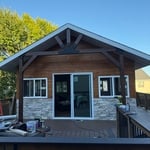
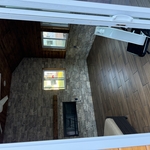
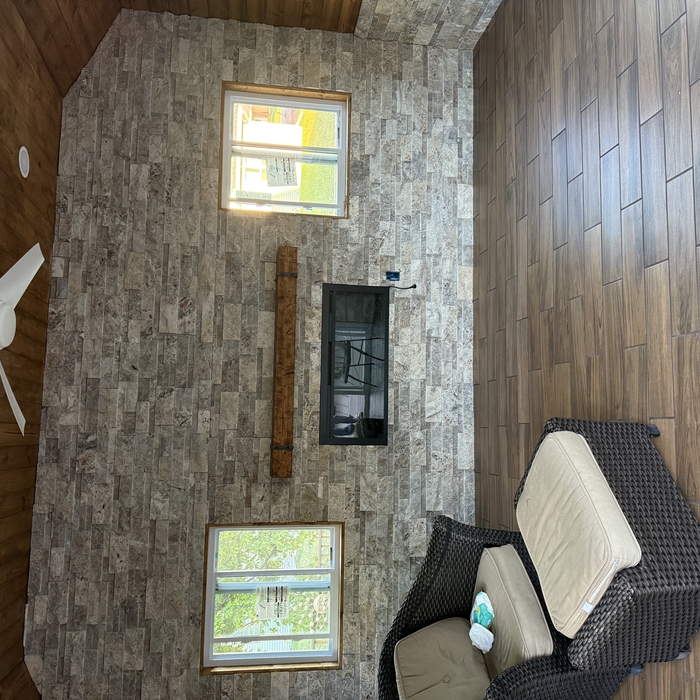
Highly experienced for over 10 years in the design and installation of all concrete flatwork and surface applications. The installation and replacement of any and all concrete structures such as driveways, curbs, sidewalks and patios. Free estimates, contact us for all your needs!

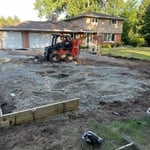
Before replacement
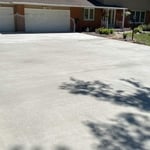
After replacement
1 neighbors recently requested a quote
A O Handy
4.1(
133
)

Serving Pulaski, WI and surrounding areas

In business since 2002

Free estimates

Emergency services offered

"I was very impressed with the quality of the workmanship and their openness of my thoughts on the project. They were extremely thorough in explaining what was going to be done and why. They needed to set up scheduling for the chimney repair with my neighbors; they took care of arranging this with my neighbors all on their own. He did a very thorough follow up after the service."
Recommended by87%of homeowners
Showing 1-10 of 25
Paving Services questions, answered by experts

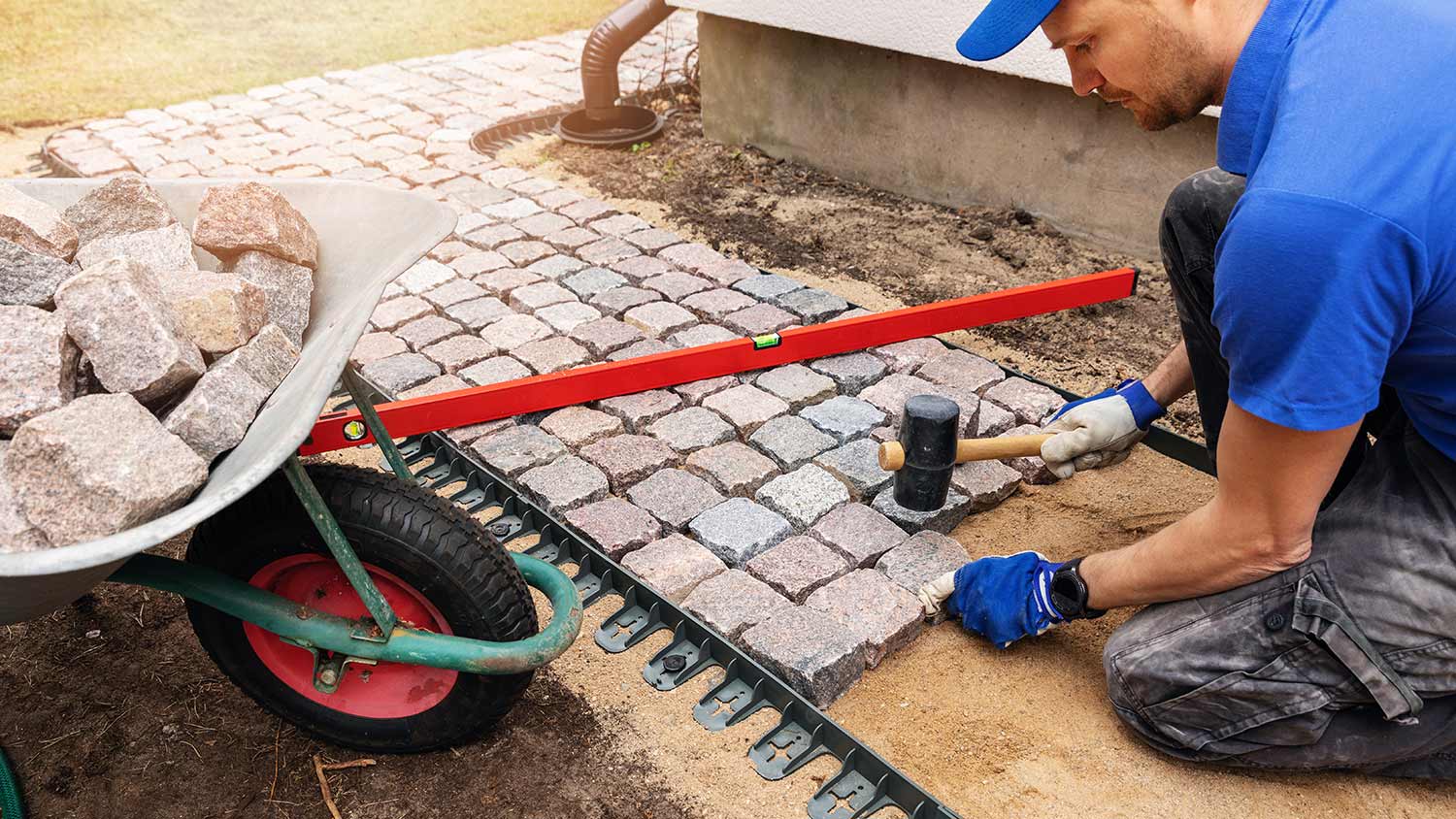
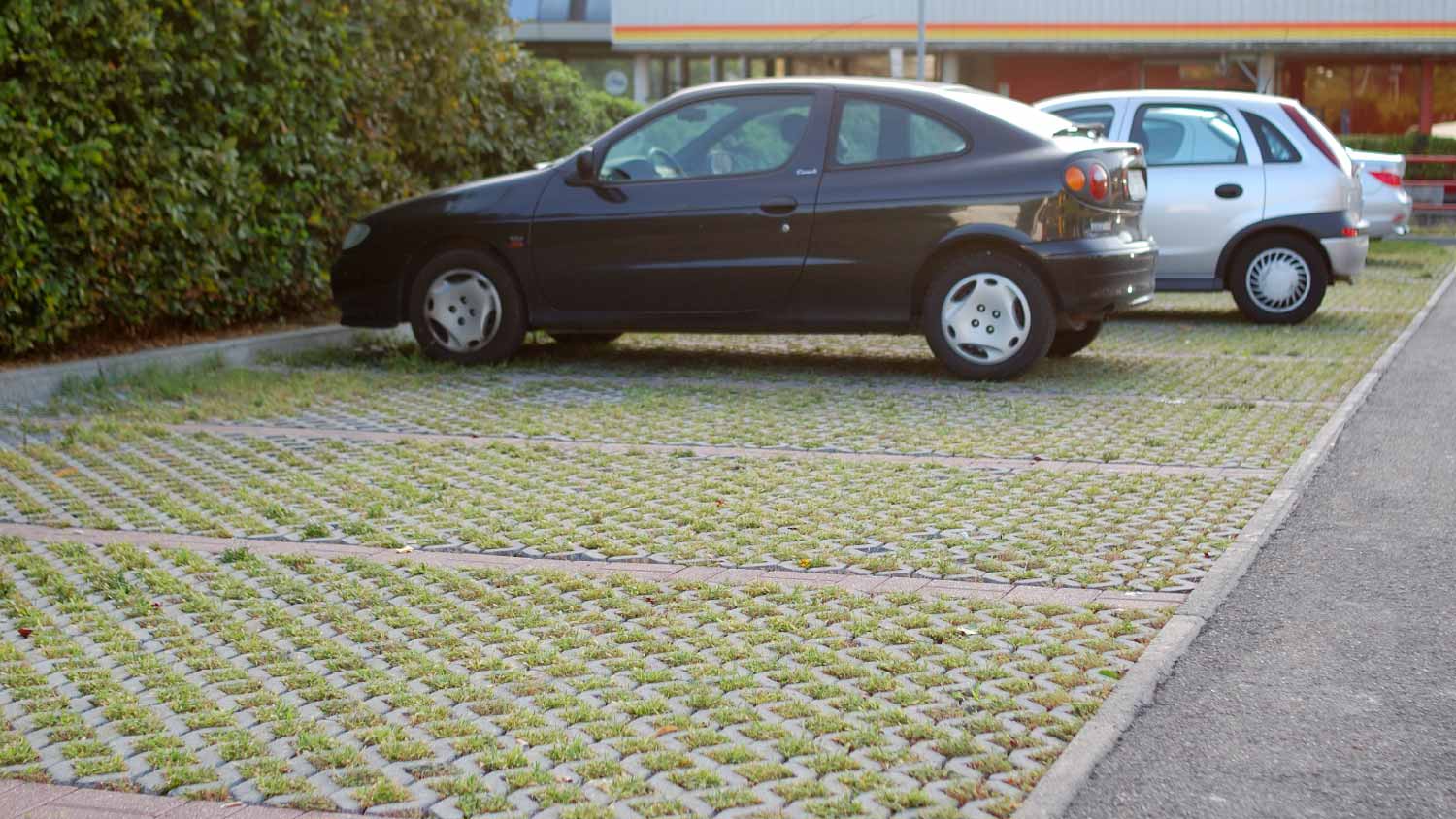
Driveway pavers are often worth the cost. Paver types like cobblestone, brick, and concrete are highly durable, and permeable paver options can be tremendously eco-friendly. While you may pay more for a paver driveway, you’ll see great returns from the increased curb appeal and low maintenance compared to other types of driveways.

Generally speaking, tiles are for indoor use, while pavers are for outdoor use. The main difference between travertine tiles and pavers is their thickness. Tiles are around 1/2 inch thick, and pavers are 1 1/4 inches to 2 inches thick.

Pavers are more rugged and can handle different weather. The extra thickness on pavers also makes them ideal for high-traffic areas.

Asphalt and tarmac are not the same thing. Traditional tarmac, short for tarmacadam, uses tar as a binder to hold crushed stone together. Asphalt uses bitumen—a byproduct of crude oil—to bind aggregate. Though tarmac was once a go-to for roads, asphalt has become the modern standard. And these days, most surfaces referred to as “tarmac” are actually asphalt. So, while the names may overlap, the key distinction lies in the binder—tar for tarmac and bitumen for asphalt.

While it may be less expensive initially to lay concrete vs. pavers, the long-term expenses that come with repairing concrete may prove to be less cost-friendly than simply replacing a few damaged pavers. On top of that, stamped concrete may only last for 25 years compared to pavers, which can last over 50 years.

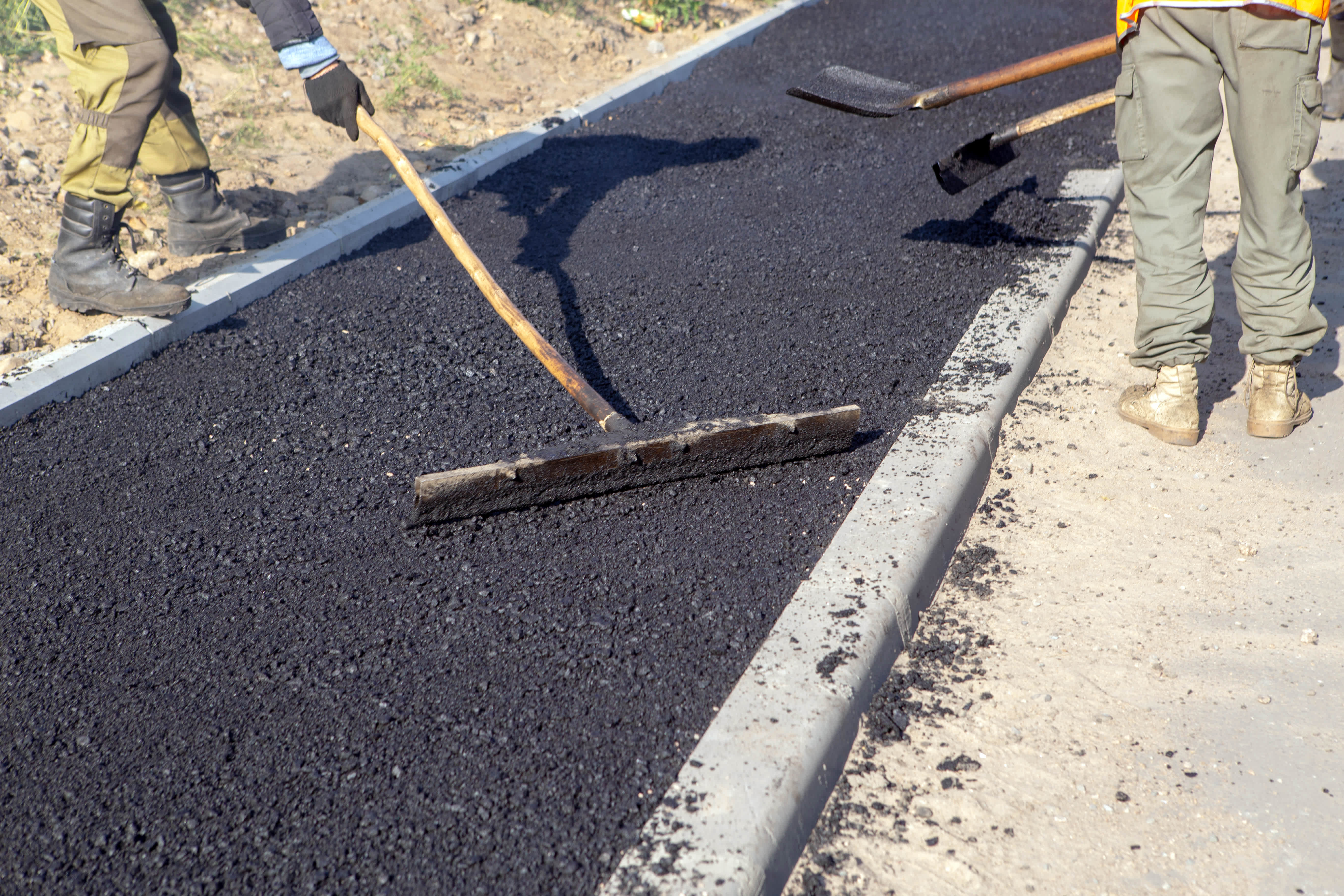
When asphalt cures, it typically changes from a very dark black hue to a lighter, more matte gray color. Cured asphalt also won’t be tacky or sticky to the touch or emit any odors from the asphalt mix. Additionally, the surface of fully cured asphalt won’t deform under any pressure.

The Pulaski, WI homeowners’ guide to paving services

From average costs to expert advice, get all the answers you need to get your job done.