I have 20 years of experience in the masonry and concrete industry. I also have 10+ years with carpentry and general trades. 10 years of project management experience managing projects from a few hundred dollars to multimillion dollar. Thank you for taking the time to read and looking forward to working with you..
Highly experienced for over 10 years in the design and installation of all concrete flatwork and surface applications. The installation and replacement of any and all concrete structures such as driveways, curbs, sidewalks and patios. Free estimates, contact us for all your needs!
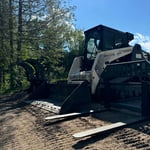
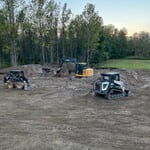
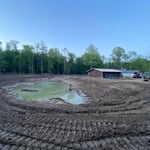
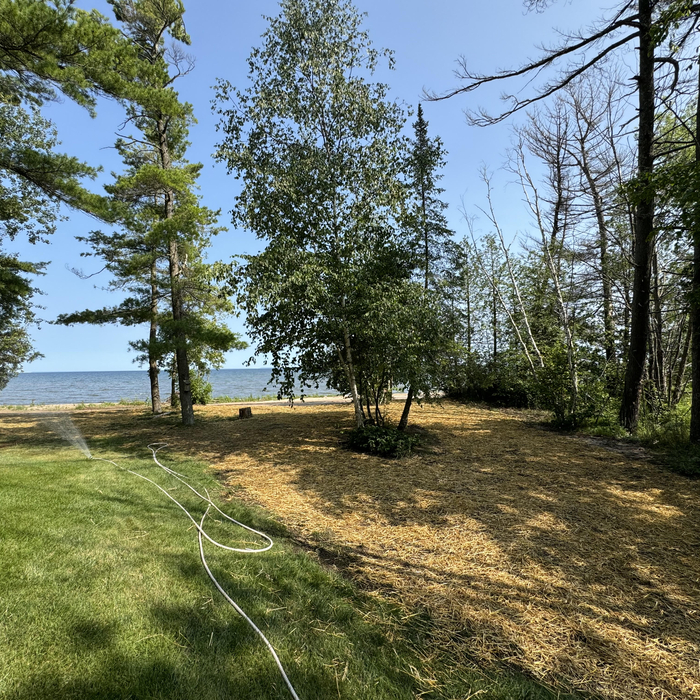
Black & Tan Industries LLC provides affordable, high quality land & lawn care, excavation, and CNC machine tool & manufacturing engineering services. We have the experience, and we are committed to providing quality workmanship and superior customer service on all our applications. We at Black & Tan Industries\nLLC strive to maintain our reputation as a high quality, very service-oriented company with our main focus being customer satisfaction. Free estimates! $250 minimum on excavation projects. Please call today!
We take great pride in our experience, expertise, quality, and customer service that we provide to meet the consumer's custom needs. It is our mission to provide excellent workmanship and complete customer satisfaction from start to completion of a project. In order to understand the needs and expectations of our customers, we take great care to work and communicate with every customer in a professional manner. Our reputation is based on service, safety, and quality, regardless of how large or small the job.
North Bay Services is committed to excellence in every aspect of our business. We uphold a standard of integrity bound by fairness, honesty, and personal responsibility. Our distinction is the quality of service we bring to our customers. Accurate knowledge of our trade combined with ability is what makes us true professionals. Above all, we are watchful of our customers' interests and make their concerns the basis of our business.
We pride our company on reliability, great communication, integrity, and quality work. We are experts in our trade and will do our best to keep you as educated as we can on your particular task or project. Give us a call today, we look forward to earning your business!\n
"From start to finish the entire crew led by Brian were amazing! They were prompt and worked all day and cleaned up after themselves. They took the time to educate us on what was being done. I loved their friendly attitude and could not be happier. Brian even replaced my old bird feeder and put up a bird house for me even though it was not in the contract! Now talk about Midwest hospitality. I would highly recommend Hip and Ridge Construction for any future projects! Todd kept every promise and then some! We live in Los Angeles and have our vacation home is located up in North Western Wisconsin. I was blown away with the service and how fast everything got done. I also know they did an exceptional job because a visiting friend in the same business stated so! Todd the owner even checked up on us several times just to make sure we were enjoying our vacation and if we needed anything at all! Talk about A+ service! They offered us financing and made the entire process easy! We were hesitant about hiring someone to replace our roof and Todd made the process a confident decision! I also loved how personable he and his crew were. They are truly a top notch construction crew and I would also like to add I know a thing or two about customer service! I have served in Law Enforcement for over 20 years now and I appreciate the honesty and transparency the entire staff provided. Thank you Hip and Ridge for your amazing job well done! WE LOVE our new roof! We also felt as though we made new friends which is rare in this industry!
Gauthier's Lawn Care Service's is committed to excellence in every aspect of our business. We uphold a standard of integrity bound by fairness, honesty, and personal responsibility. Our distinction is the quality of service we bring to our customers. Accurate knowledge of our trade combined with ability is what makes us true professionals. Above all, we are watchful of our customers interests, and make their concerns the basis of our business.\n
We take great pride in offering the best possible experience with our expertise, quality, and customer service. In order to understand the needs and expectations of our clients; we take great care to work and communicate with everyone in a professional manner. It is our mission to exceed our clients expectations by providing excellent workmanship and complete customer satisfaction, from the start of each project to its completion. Our reputation is based on service, safety, and quality, regardless of how large or small the job.
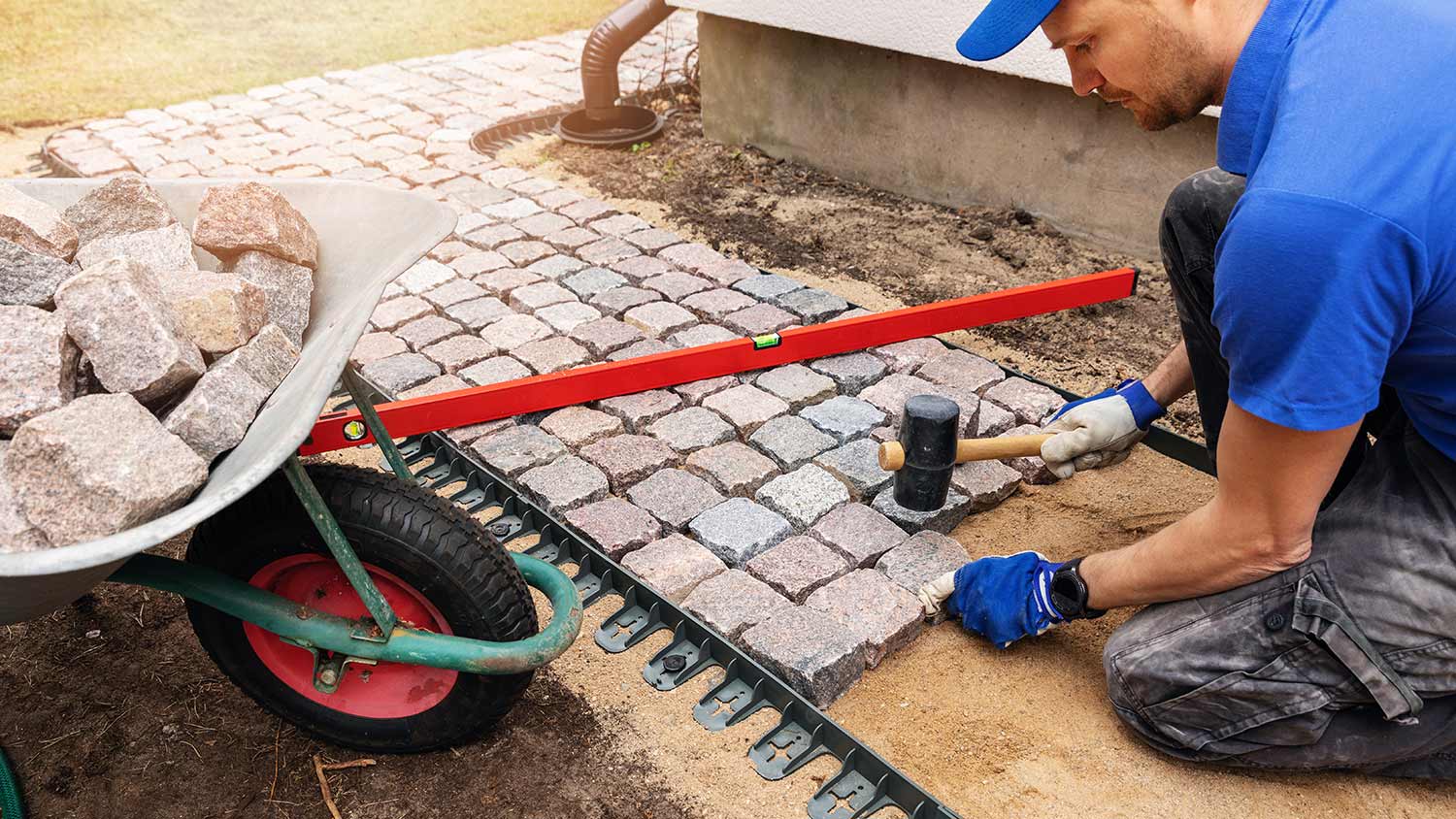
Although you could try to lay stepping stones directly over grass, which speeds up the installation process significantly, this method often leads to a poor result over time. Even heavy paver stones will eventually slide or shift on top of the grass. Digging into the ground and following the steps we listed is the best way to lay stepping stones for a long-lasting result.
If you miss the perfect time frame to trowel finish concrete, you likely won’t get the smooth, flawless result you’re looking for. In this case, you should contact a concrete professional or look to methods like sanding, grinding, or patching once the concrete dries. These methods will ensure the best final result for the lowest cost.
The dimensions of a driveway apron vary based on local building codes, the width of your driveway, and the distance between the driveway and the road. On average, aprons range from 12 to 24 feet wide and 8 to 18 feet long. Typically, the end of the apron connected to the driveway matches its width—such as 10 to 12 feet for a single-car driveway—while the end at the street flares out to allow cars to turn in and out more easily. In some areas, you may not be responsible for the portion of the apron that extends beyond the sidewalk, but this depends on local laws.
The best ways to increase the lifespan of your driveway are to carry out proper maintenance and get repairs done quickly. First, reseal your driveway every one to three years to protect it from the elements. If you start to notice significant cracks, hire a professional to diagnose the problem before it gets more serious. You can also use sand instead of salt when de-icing your driveway (since salt is corrosive) and clean your driveway annually using a pressure washer to keep it in tip-top shape.
Quality pavers and correct installation handle temperature variations. Proper maintenance is crucial in severe climates to prevent issues like heaving.
The Lena, WI homeowners’ guide to paving services
From average costs to expert advice, get all the answers you need to get your job done.
Get proactive with marketing for your paving contractor business. Use these paving marketing ideas (ranked by budget and experience level) to grow your business, get more leads, and earn more money.