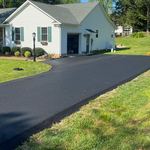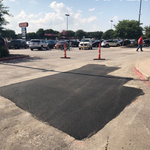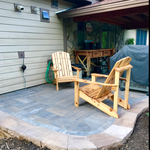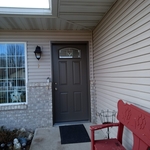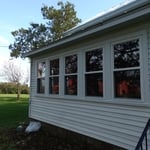







"Eric was the best, very professional. Met with me to discuss the project and go over what my expectations were. Gave me great feedback on the project add some solutions that I had not thought of. I would love to be able to add pictures of the before and after because the end result was awesome. When we first met he was very up front on pricing and I thought very reasonable. I would definitely recommend to at least meet with him on your project. You wonâ t be disappointed."
"h got the job done within a narrow window of time between the rain and their other projects. Though our project was small , they did it anyway. The only question we have is why they didn't install the border liner like they said they would. Don't know if they are done or not. We paid half done but haven't received a bill yet."
"They came and gave us an estimate. They were very helpful telling us what was needed and what had already been done on our roof. They came back and fixed the flashing and downspout."
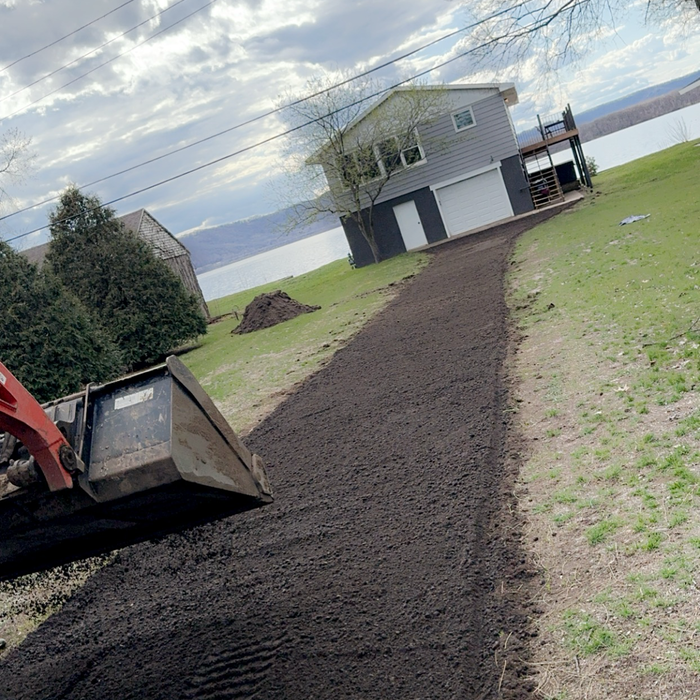
"Reynel needed to use my property to access his job on my neighbors home. He was creating a massive retaining wall of boulders to repair a collapsing railroad tie wall. My yard became a Basecamp for his project. In the end, he did as promised and leveled my yard to its original slope, cleaned all debris, branches etc, and seeded the yard. He is kind and a man of his word. The wall is beautiful."
DIY is not recommended due to equipment and expertise requirements. Professional services ensure durability and proper grading.
Asphalt and tarmac are not the same thing. Traditional tarmac, short for tarmacadam, uses tar as a binder to hold crushed stone together. Asphalt uses bitumen—a byproduct of crude oil—to bind aggregate. Though tarmac was once a go-to for roads, asphalt has become the modern standard. And these days, most surfaces referred to as “tarmac” are actually asphalt. So, while the names may overlap, the key distinction lies in the binder—tar for tarmac and bitumen for asphalt.
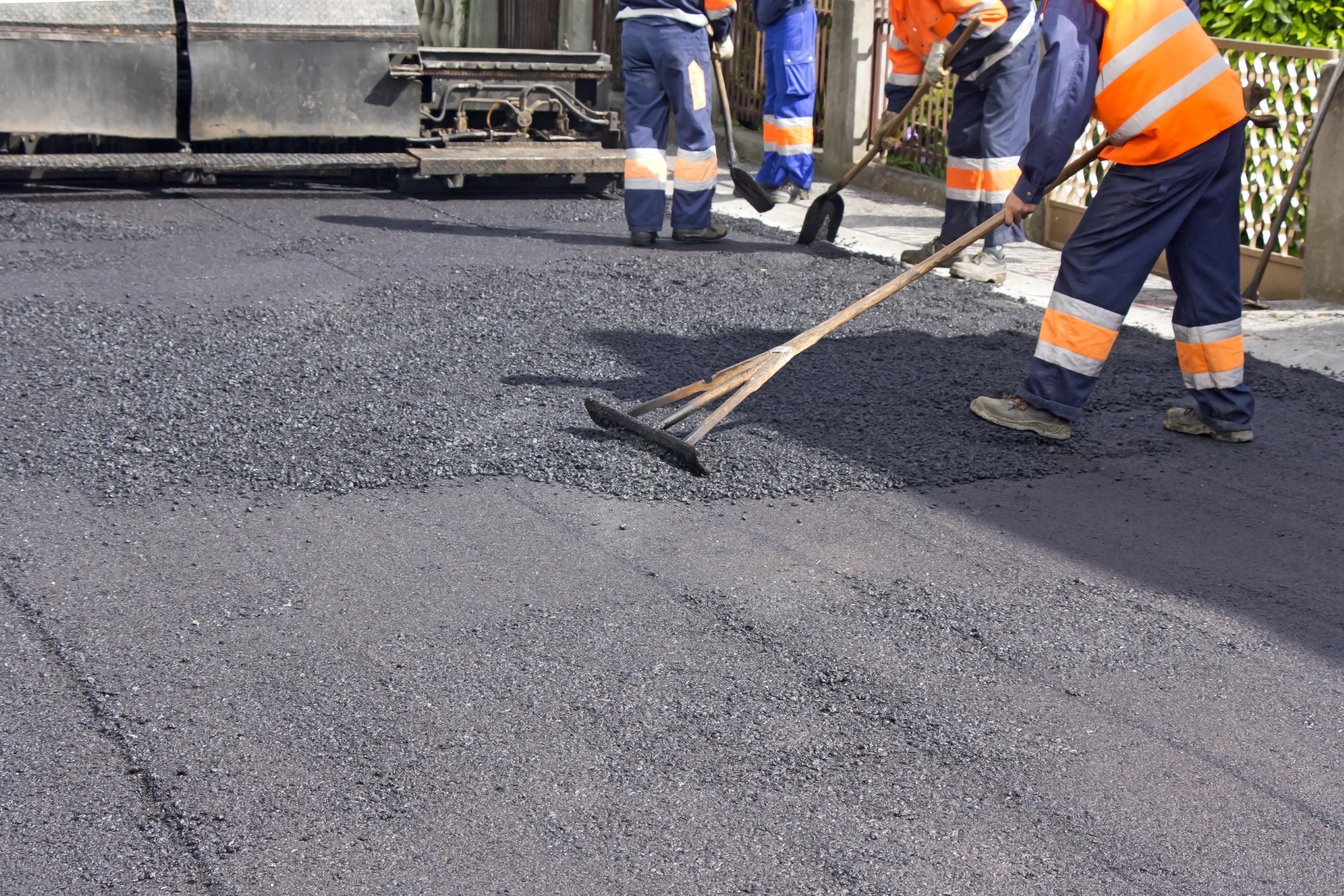
Asphalt is made of aggregate materials (sand, rocks, and gravel) and bitumen, a viscous, petroleum-based, waterproof substance. These materials are mixed together at extremely high temperatures to form asphalt.
To ensure you hire a reliable and experienced paving company, you should start by finding companies in your area that have at least five to ten years of experience working in your neighborhood. Next, rule out companies with poor reviews online or a series of complaints filed with the Better Business Bureau. Since driveways affect your curb appeal, you should also ask each company for references and pictures of recent work to make sure the work the company does is professional and high quality. Finally, check that the company is licensed and insured.
It’s best to weigh the pros and cons of each material and decide on your priorities for your driveway. Gravel won’t be an appropriate choice if your driveway experiences heavy traffic. You’ll find that you need to level and top it off regularly, which could make the material a much more expensive option.
The Osseo, WI homeowners’ guide to asphalt driveway services
From average costs to expert advice, get all the answers you need to get your job done.
Learn how to find a top-rated asphalt driveway sealing pro by checking credentials and asking the right questions to ensure your pavement is protected.
Adding a new asphalt driveway to your home can boost its overall appearance and give homeowners a nice ROI down the line. But how long do asphalt driveways last, and what can you do to maximize their lifespans? Read this guide to find out.