


Top-rated excavation pros.

Get matched with top excavation pros in Osseo, WI

Enter your zip and get matched with up to 5 pros

Need a pro for your excavation project in Osseo, WI?

Select your specific project to find the pro for you.

Find Excavation pros in Osseo

Ralphie the Dirt Guy
5.0(
4
)

Serving Osseo, WI and surrounding areas

Approved

In business since 2021

Free estimates

Emergency services offered

"Eric was the best, very professional. Met with me to discuss the project and go over what my expectations were. Gave me great feedback on the project add some solutions that I had not thought of. I would love to be able to add pictures of the before and after because the end result was awesome. When we first met he was very up front on pricing and I thought very reasonable. I would definitely recommend to at least meet with him on your project. You wonâ t be disappointed."
Response time2 days
Response rate88%
9 neighbors recently requested a quote
Avatar for KithTerra Excavating
KithTerra Excavating
5.0(
2
)

Serving Osseo, WI and surrounding areas

In business since 2025

Free estimates

Credit card accepted

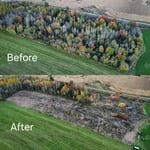
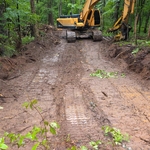
"Customer service was top notch- we started with a 4 acre wooded lot and we had started clearing it ourselves and had many stumps and some more trees to take down. They gave an estimate via photos and email since job site was over an hour away which worked great. Worked til job was finished and did so in a timely manner. We also added clearing a new driveway after the fact and did amazing job. Great communication - would definitely hire again and give referral. Photos are Before and afters."
Spooner land clearing
Clayton land clearing
New Driveway install

+3

Response time8 hrs
Response rate90%
1 neighbors recently requested a quote
Tru-Cut Lawn & Landscape
4.1(
11
)

Serving Osseo, WI and surrounding areas

In business since 2012

Free estimates

Credit card accepted

"h got the job done within a narrow window of time between the rain and their other projects. Though our project was small , they did it anyway. The only question we have is why they didn't install the border liner like they said they would. Don't know if they are done or not. We paid half done but haven't received a bill yet."
Response time2 days
Recommended by100%of homeowners
Showing 1-10 of 39
Excavating questions, answered by experts

Water lines are buried at various depths, depending on the type of line. For example, most sprinkler lines are buried between four and 12 inches underground. On the other hand, water mains usually sit between one and 3 feet below ground. However, they can go even deeper in cold climates to prevent freezing.

Concrete blocks are the cheapest way to base a shed. However, the space in between allows critters to go under, burrow, and even damage your shed’s frame. For a more pest-proof option, consider building a shed base with gravel or paver stones. Both options are fairly affordable and easy enough for a DIY project. For gravel, you can build a wooden frame to contain the loose material.

As a general rule, the protected area should be about 1½ times as wide as the canopy of the tree’s leaves. This digging measurement can vary by tree species and the age of the tree. Of course, that can be a lot of fencing for larger trees, which is why our first step is about making difficult decisions on which trees to save.

Trenching and boring are two distinct methods for installing underground utilities. Trenching involves digging a channel using equipment like an excavator, trencher, backhoe, or shovel. While it is a simpler process, it causes significant disruption to the surface, landscaping, and surrounding ecosystems.

Boring, also known as directional boring, is a less invasive alternative that uses a drill to create a tunnel for utility lines without disturbing the surface. This method is more precise and is ideal for installations that need to go underneath buildings, roads, or bodies of water. Although boring is less disruptive, it is generally more expensive than trenching.

In the United States, a depth of 36 inches (three feet) for underground water lines is the accepted industry standard. This depth varies from location to location based on local conditions. In areas with colder winters, they may be buried deeper to prevent frozen well water pipes : This is usually at least six inches below the frost level. The International Plumbing Code calls for a minimum of 12 inches below grade.

The Osseo, WI homeowners’ guide to excavation services

From average costs to expert advice, get all the answers you need to get your job done.