





Top-rated arborists.

Best arborists near New Lisbon, WI

Enter your zip and get matched with up to 5 pros

Need a pro for your arboricultural service project in New Lisbon, WI?

Select your specific project to find the pro for you.

TRUSTED BY NEW LISBON, WI HOMEOWNERS

  • Average homeowner rating star icon4.7
    Average homeowner rating
  • Verified reviews icon61
    Verified arboricultural services reviews

Top-Rated Arborists in New Lisbon - Updated Nov 2026

Avatar for Central Wisconsin Excavating
Central Wisconsin Excavating
5.0(
12
)
Tree RemovalTree Stump - RemoveTree Trimming

Serving New Lisbon, WI and surrounding areas

Approved

Free estimates

Emergency services offered

Small jobs welcome

"Central Wisconsin Excavating (CWE) did a fantastic job on our project. They built a solid, well-prepared foundation for our 80,000-bushel grain bin and graded our driveways perfectly to ensure water drains away from our buildings. Their attention to detail, quality of work, and professionalism really stood out. The site was left clean and properly finished, and everything was done right the first time. We’re extremely happy with the results and would highly recommend CWE to anyone needing excavation or site work done right."

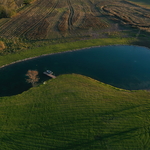
Pond project
Pond project
1 neighbors recently requested a quote

Bear Point LLC
New to Angi
Tree RemovalTree Stump - RemoveTree Trimming+1 more

Serving New Lisbon, WI and surrounding areas

Approved

\nBear Point LLC specializes in land clearing, forestry mulching, brush removal, excavation, grading, and site preparation throughout Wisconsin. We take pride in providing reliable service, honest communication, and quality workmanship on every project. Whether you’re preparing a homesite, clearing trails, reclaiming overgrown property, or improving your land, we’re committed to delivering efficient, cost-effective solutions with a focus on safety and customer satisfaction.

Showing 1-10 of 32
Arborists FAQs, answered by experts

There are several methods to hollow out a tree stump, and the best one depends on your tools, experience, and priorities. Common methods include using a chisel and hammer, a chainsaw, or burning.

  • Chisel and Hammer: This is often considered the easiest approach for those with limited tools or experience, though it is the most time-consuming.

  • Chainsaw: Using a chainsaw is the fastest method, but it comes with significant safety risks, especially for inexperienced users.

  • Burning: This can be an effective method, but it is not recommended unless you can first drill holes into the stump. Without holes, the stump will be difficult to light and may not burn completely through.

A power drill with at least a ⅜-inch diameter bit can make the job quicker and easier, regardless of the primary method. While you can use a chisel or chainsaw without a drill, it will require more time and effort. Always wear protective goggles and thick gloves, as splinters are an inevitable risk.

If you’re wondering whether you can plant a tree where the stump was removed, know that the soil conditions won’t be ideal, so you should avoid it. The soil beneath the previous tree will likely be depleted of nutrients, plus there may be roots left behind that will seriously hinder the growth of a new tree. Also, if you use salt or other chemical solutions to kill the stump, these can linger in the soil for months or even years and prevent healthy growth. It’s best to choose a different spot that’s at least three feet away for a new tree, or wait at least a year and thoroughly amend the soil before you plant.

Unfortunately, palm tree stumps are one of the most difficult types to remove due to how their roots grow. Unlike other trees, palm tree roots grow horizontally and vertically. Palm tree roots grow as deep as three feet into the ground, although soil and growing conditions could mean they go as far as 50 inches into the earth. 

If you want to be able to repurpose the grass in the area where you removed a stump later, you’ll have to dig quite deep—and perhaps wide—to trim away all the roots.

Peach trees grow to be about 25 feet, so keep this in mind for pruning as well. If you plan to DIY, you’ll need to be comfortable working on a ladder. Without pruning, peach tree branches can sprawl nearly as wide as the tree grows tall, so make sure to plan pruning sessions at least once per year in the spring for controlled growth. And if you’re working on a ladder, be sure to follow all safety precautions, especially if you’ll be dealing with falling branches.

Stay inside or well away until the storm passes. Don’t go outside to inspect the tree until the weather clears, especially if the tree is on a hill or isolated in a field. Lightning often strikes the same easily-accessed places multiple times, and you could be a new target. If a lightning strike causes a noticeable fire, alert emergency services. When the storm is over, take a closer look to gauge the damage done.

The New Lisbon, WI homeowners’ guide to arboricultural services

From average costs to expert advice, get all the answers you need to get your job done.