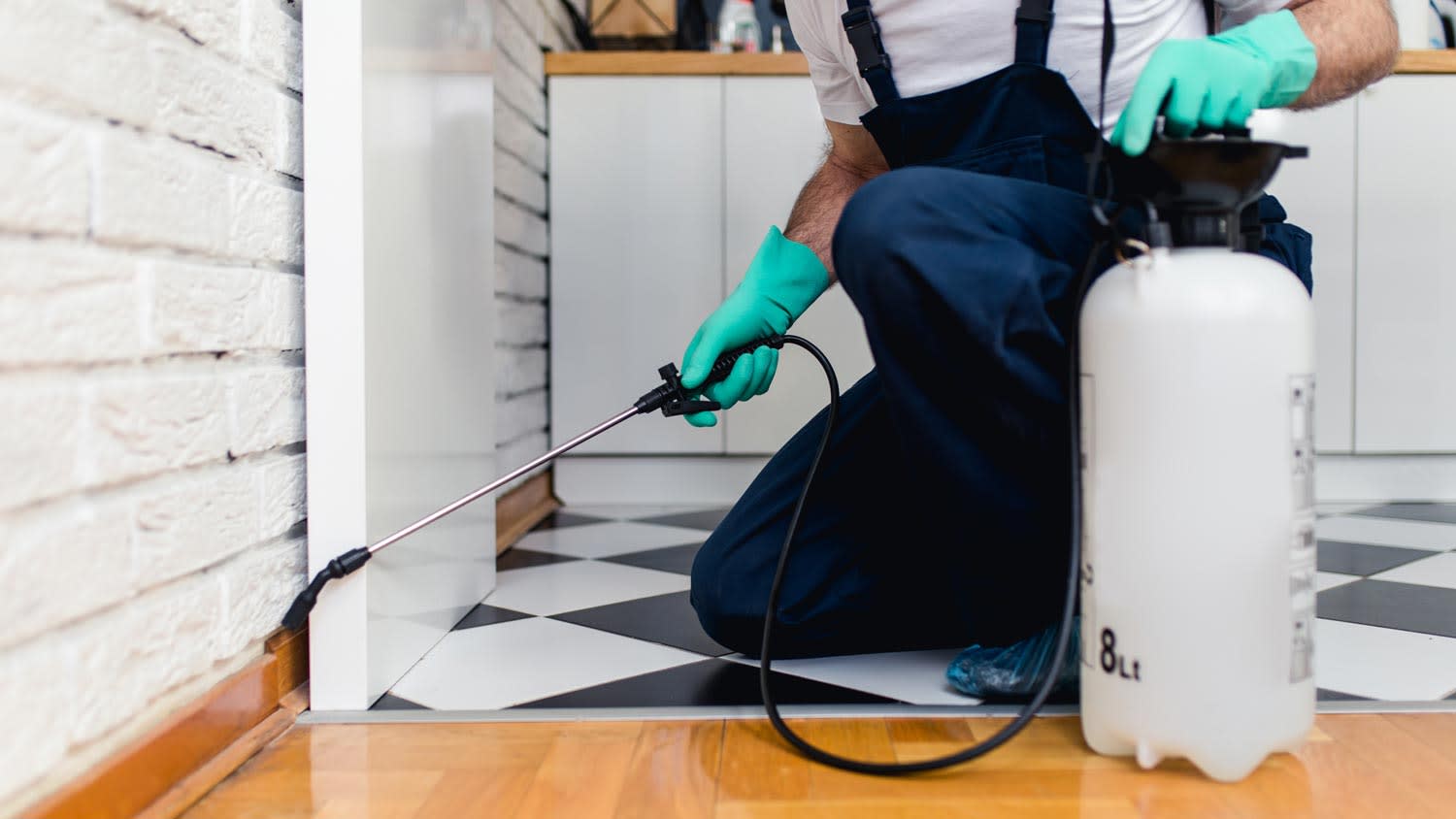
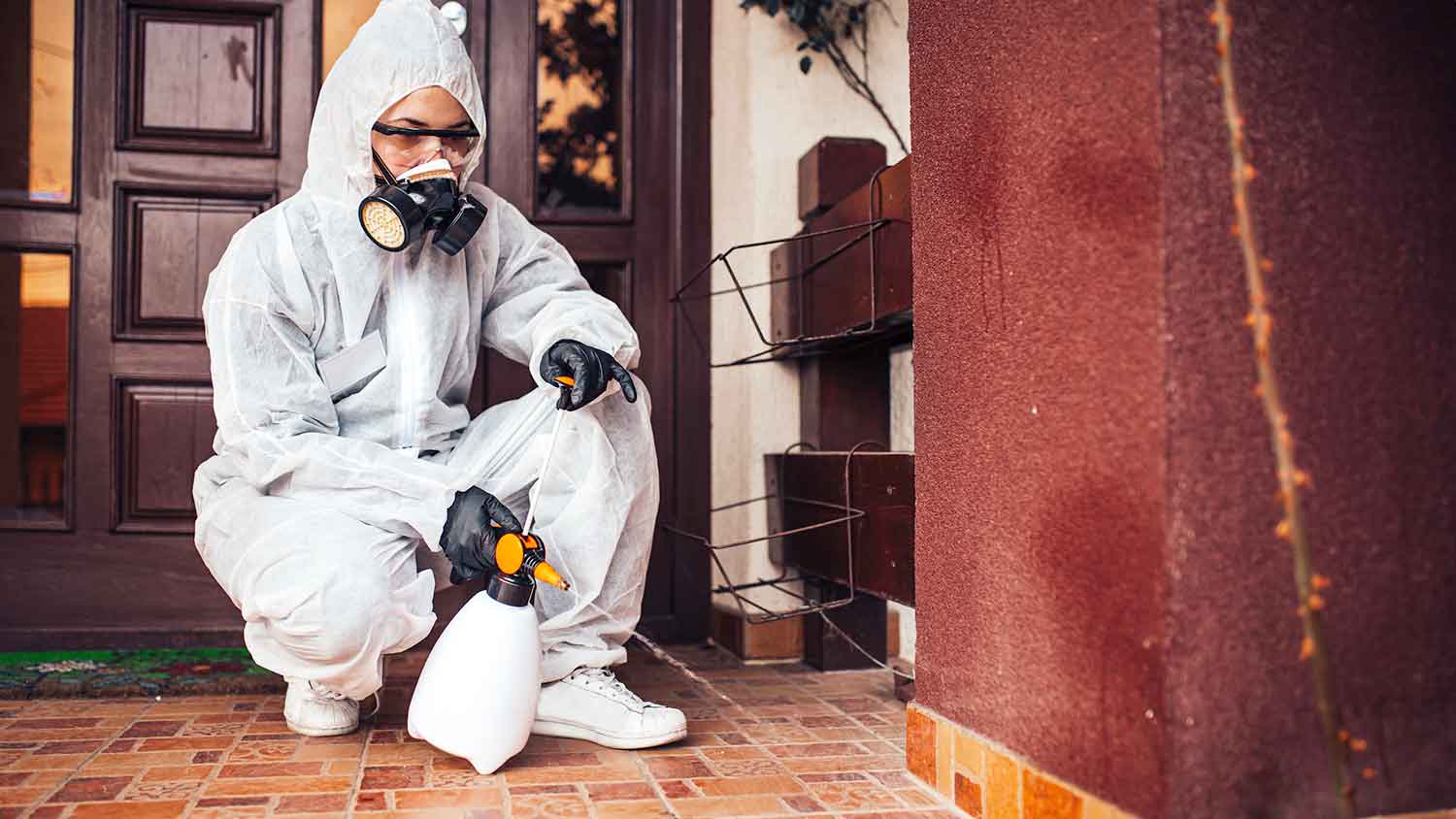
When pests show up, so do we.\n\nFor nearly a century, Terminix® has been one of America's most trusted names in pest control. Every day, our exterminators serve thousands of homes and businesses nationwide, combining national service with local knowledge to provide best-in-class, proactive pest management solutions. We stop problems before they start and respond quickly if issues arise, keeping your property protected.\n\nAnd for extra peace of mind, if pests come back, so do we — guaranteed.\n\nThe Terminix It Guarantee means that if pests come back, so do we, to re-treat at no additional cost. No excuses, just a commitment to care for your home like it's our own with protection you can trust.
We are a family owned and operated, national franchise. We have top chemists from Bayer Chemical, with minimal impact on the environment. We are a full service company that values serving people, property, and peace of mind. \n\n\n\n
"I have a contract with them so I have to use them again. It pays for itself eventually if you get good repair people. You don't control who they send."
If you spot a bug in your home that seems very similar to a flea, it’s likely a springtail, which is a tiny jumping insect that can resemble a flea. Unlike fleas, they are not dangerous to humans or animals because they don’t bite. Fleas are smaller than springtails, which is how you can distinguish them.
Hiring a professional house cleaner costs between $120 and $240 per visit. Most homeowners can expect to pay an average of $170 for a cleaning and disinfecting service. House cleaning services may include disinfection of high-touch surfaces, but it’s best to ask your cleaner to be sure it’s included in their services.
Regular cleaning, sealing cracks, and inspecting second-hand furniture help prevent infestations.
Yes, water misters can temporarily keep mosquitoes and other flying insects away, as these will wet their wings and make them unable to fly. However, as soon as the water stops misting, the insects will return, so it’s not a permanent or long-term solution. It’s also worth noting that it will only deter mosquitos in the direct path of the mist; any humans looking to avoid the insects will have to get wet.
You can get rid of raccoons quickly by making your home an undesirable place to live. Here are the best ways to get rid of raccoons fast:
Repair broken vents and screens leading to your home.
Seal open access points into your home. Many raccoons sneak in through the attic, roof, or chimney.
Trim trees and branches so raccoons don’t have easy access to your roof and chimney.
Thoroughly clean out garbage cans, remove all trash, and secure the bins.
Don’t keep food or water outside.
Add raccoon guards to outdoor bird feeders.
Clean up brush around your home—raccoons like to gather loose yard materials for bedding.
The Niagara, WI homeowners’ guide to pest control services
From average costs to expert advice, get all the answers you need to get your job done.
You’re not alone if you’re hoping to avoid harmful pesticides around your home to keep out pests. Here’s what you need to know about green-friendly pest control.