



Top-rated fencing pros.

Get matched with top fencing pros in Medford, WI

Enter your zip and get matched with up to 5 pros

Need a pro for your fencing service project in Medford, WI?

Select your specific project to find the pro for you.

Find Fencing pros in Medford

Avatar for Jorge's Lawn Care
Jorge's Lawn Care
4.8(
6
)

Serving Medford, WI and surrounding areas

Approved

In business since 2019

Free estimates

Warranties offered

"They removed all mulch beds and a lot of shrubs. They replaced the mulch with new fabric and added rock. The weather was hot and humid but everything was finished in 2.5 days. It is exactly what I wanted."
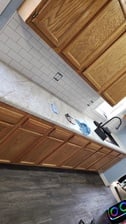
White Marble Project
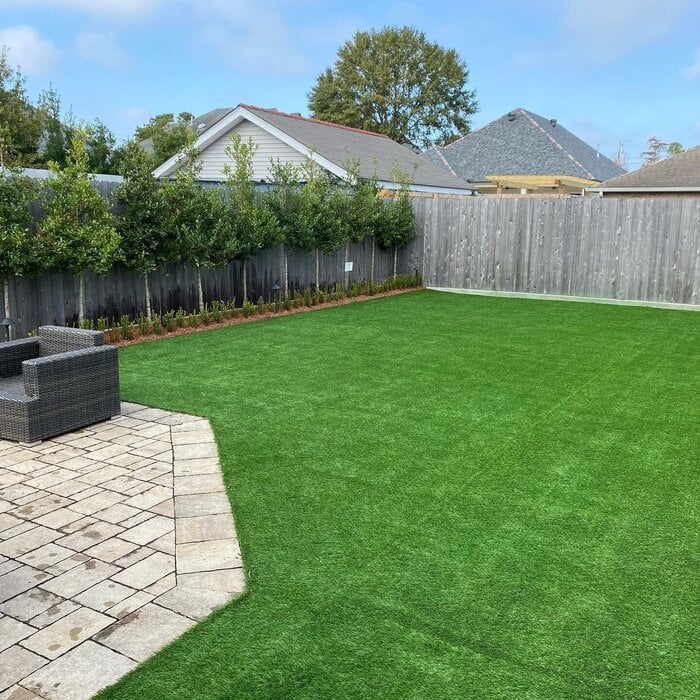
Planter Bed Turf
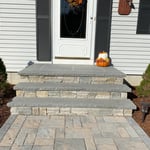
Natural Gray Veneer Steps
Clean and Natural
Back yard Upgrade

+108

2 neighbors recently requested a quote
Recommended by66%of homeowners
Avatar for Jorge's Lawn Care
Jorge's Lawn Care
5.0(
4
)

Serving Medford, WI and surrounding areas

In business since 2019

Free estimates

Emergency services offered

"They removed all mulch beds and a lot of shrubs. They replaced the mulch with new fabric and added rock. The weather was hot and humid but everything was finished in 2.5 days. It is exactly what I wanted."
Appleton WI project
Lake Front Cabin
Basketball court concrete pad
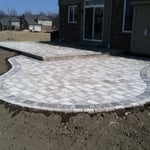
This is a light gray custom pattern patio with a dark gray boarder.
Stevens Point Patio

+160

Recommended by100%of homeowners
Showing 1-10 of 28
Fencing questions, answered by experts

The ideal distance between fence posts depends on several factors, including the terrain, the purpose of the fence, and the material used. For different types of fences, here are some general guidelines:

  • Wood and Metal Fences: Posts should be spaced between 5 and 8 feet apart.

  • Vinyl Fences: Spacing can be between 6 and 8 feet.

  • Chain-Link, Mesh, or Lattice Fences: Posts can be set anywhere from 4 to 25 feet apart, with 4-10 feet being common for chain-link.

  • Wire Fences: Spacing can be up to 12 feet apart.

When it comes to maintenance, vinyl fencing is your best bet for not having to worry about scratches, repainting, or wear and tear from the weather. Vinyl is a material made of polyvinyl chloride (also known as PVC) that can last for years without requiring repairs or maintenance. It’s also one of the lower-cost fence materials to build with.

Regular maintenance for wire fencing includes annual inspections for rust or damage, tension adjustments every two to three years, and immediate repair of any breaks or loose sections. You should also regularly check the fence posts for stability, particularly after severe weather, and make sure to remove any vegetation growing along the fence line.

While wood fencing is versatile and durable, there are other fence material options to consider. Check out our comprehensive list of the Best Types of Fences for Your Home to browse through some other fencing materials. Popular types include metal fencing, such as aluminum and chain link, and wood alternatives, such as vinyl or composite fencing.

A silt fence should be buried in a trench that is 6 to 12 inches deep. A depth of at least 6 to 8 inches is necessary to prevent water and sediment from running underneath the fence. A deeper trench, up to 12 inches, provides better anchoring during wet and windy weather. To ensure proper installation, look for a red line on the silt fence fabric, which often indicates the correct burial depth. Always adhere to local guidelines and regulations; a professional contractor will be familiar with these requirements.

The Medford, WI homeowners’ guide to fencing services

From average costs to expert advice, get all the answers you need to get your job done.