



Top-rated drywall pros.

Get matched with top drywall pros in Mayville, WI

Enter your zip and get matched with up to 5 pros

Need a pro for your drywall service project in Mayville, WI?

Select your specific project to find the pro for you.

Find Drywall pros in Mayville

Avatar for CertaPro Painters
CertaPro Painters
New to Angi
Drywall - Repair

Serving Mayville, WI and surrounding areas

Approved

In business since 2008

Free estimates

Warranties offered

We are committed to excellence in every aspect of our business. We uphold a standard of integrity bound by fairness, honesty and personal responsibility. Our distinction is the quality of service we bring to our customers. Accurate knowledge of our trade, combined with ability, is what makes us true professionals. Above all, we are watchful of our customers' interests and make their concerns the basis of our business

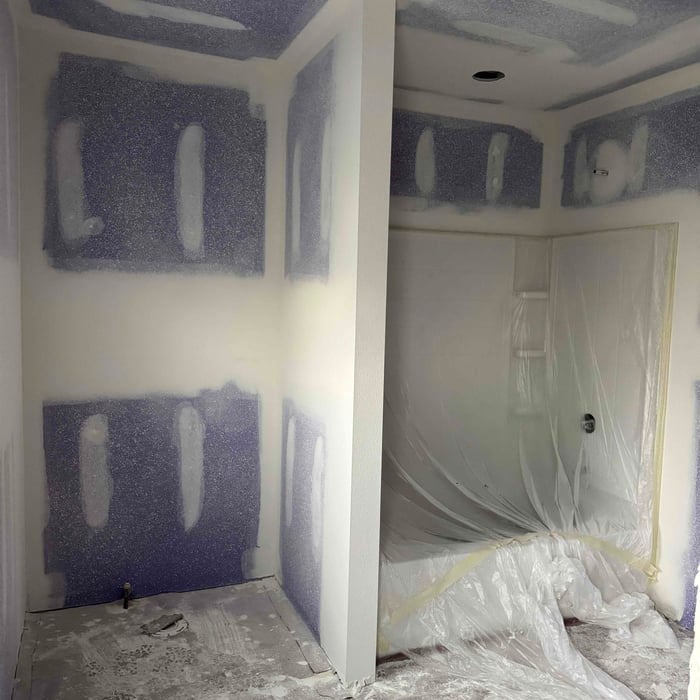
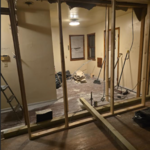
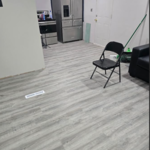
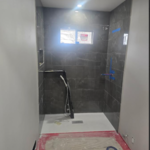
After
After
Before
Flooring
Response time1 day
Response rate99%
21 neighbors recently requested a quote
Avatar for Custom Craft Environmental
Custom Craft Environmental
4.6(
117
)
Drywall - InstallDrywall - Install - For BusinessDrywall - Repair+1 more

Serving Mayville, WI and surrounding areas

In business since 1991

Emergency services offered

Credit card accepted

"They seemed to do a good job. They were good at cleaning up after themselves. They spent time explaining what they were doing and why they were doing it. They were able to come at a timely manner when we requested the work to be done. They were attentive to details."
Additional Photos
Additional Photos
Additional Photos
Before
After

+1

Recommended by94%of homeowners
...
Showing 1-10 of 67
Drywall questions, answered by experts

Yes, taping inside corners is a critical step in the drywall installation process.  Properly taping inside corners is essential for achieving a professional look, and an installation that resists cracking and maintains its integrity over time. Taping the corners involves the application of a joint compound along the seam where two drywall pieces meet. This process provides reinforcement, conceals the seam, and prevents future gaps or cracks from developing.

The age of your home can clue you in to whether you have plaster or drywall ceilings. Homes built after the ‘70s are more likely to have drywall ceilings and walls, while older homes have plaster. You can also do the pushpin test: A pushpin will go into drywall, whereas it’s much harder to push one into a plaster wall. If you’re still unsure, ask a drywall professional to let you know which type of ceilings and walls you have.

While every home has its own unique needs, ceiling drywall installation typically follows a staggered or stepped pattern to enhance structural integrity and reduce the visibility of seams. Starting from one corner, sheets are placed perpendicular to the ceiling joists, with the ends of adjacent sheets meeting along the center of the joist. The next row begins with a half sheet, ensuring joints don't align vertically. This alternating pattern, combined with proper taping and mudding, creates a seamless appearance and strengthens the ceiling structure, minimizing the risk of cracks over time.

Although they have similar applications, spackle and joint compound are not the same. Their primary differences lie in their composition, consistency, and ideal use cases.

Spackle is composed of gypsum and binding agents, making it thicker than joint compound. It dries quickly and is easy to sand, which makes it ideal for small wall repair projects like filling nail holes or patching minor damage.

Joint compound, also known as drywall mud, consists of limestone and gypsum. It is primarily used for large-scale projects, such as taping and finishing the seams on newly installed drywall. It tends to shrink more than spackle and can be more difficult to spread.

While both products can be used to fill small depressions and cracks, spackle cannot replace joint compound for taping and mudding new drywall. Conversely, you can often use joint compound for small patching jobs typically done with spackle.

The easiest way to remove texture from walls is the soak-and-scrape method. You’ll need to spray a section of the wall with water and let the water soak in and soften the texture. Then, you need to scrape the texture off using a drywall taping knife. This method works best with unpainted walls since paint prevents water from saturating the textured joint compound.

The Mayville, WI homeowners’ guide to drywall services

From average costs to expert advice, get all the answers you need to get your job done.