






Top-rated energy efficiency auditors.

Get matched with top energy efficiency auditors in Jackson, WI

Enter your zip and get matched with up to 5 pros

Need a pro for your energy efficiency auditing project in Jackson, WI?

Select your specific project to find the pro for you.

TRUSTED BY JACKSON, WI HOMEOWNERS

  • Average homeowner rating star icon4.7
    Average homeowner rating
  • Verified reviews icon14
    Verified energy efficiency auditing services reviews

Find Energy efficiency auditors in Jackson

Goodman Home Inspections, LLC
New to Angi
Energy Audit - For BusinessHome Energy Audit

Serving Jackson, WI and surrounding areas

Approved

My name is Darryl Goodman and I am retired from the military after 26 years of successful service. As a home inspector, I bring with me a strong foundation of professionalism, hard work, and a meticulous attention to detail. Leveraging extensive experience in both civilian and military construction, I possess a unique skill set that enhances my ability to assess and ensure the safety and integrity of residential properties.

Avatar for Green Homeowners United, LLC
Green Homeowners United, LLC
5.0(
3
)
Home Energy Audit

Serving Jackson, WI and surrounding areas

In business since 2020

Free estimates

Credit card accepted

"Tyler, the representative who inspected my home, was extremely professional and friendly. His communication was excellent, and he made very clear and sensible recommendations to improve my home's energy efficiency."
1
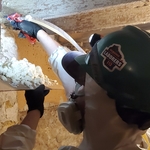
Spray foam
2
3
3

+1

Response time9 hrs
Recommended by100%of homeowners
American Air Improvement Resources Inc
4.3(
23
)
Energy Audit - For BusinessHome Energy Audit

Serving Jackson, WI and surrounding areas

In business since 2007

Free estimates

Emergency services offered

"Called 3 different companies for an estimate & they were in the middle price wise. They showed up on time the person in charge informed my wife as to what they were going to do & was thorough in his explanation as to what they were going to do & how long it was going to take. He then came back when I got home from work and showed me what he had done & answered questions that I had.
"
Recommended by82%of homeowners
Energy Efficiency Auditing questions, answered by experts

Yes, mini-split or ductless AC systems add value to a home and do not devalue it. They are an attractive feature for potential buyers, especially in older homes without existing ductwork, as they provide a practical air conditioning solution without the significant expense and hassle of installing traditional ducts. Ductless systems also eliminate issues associated with conventional ductwork, such as noise and the potential for pests. Furthermore, homeowners value energy-efficient solutions, and mini-splits offer high efficiency for both heating and cooling, plus zoned temperature control. This leads to lower energy consumption and reduced electric bills, which is a major selling point.

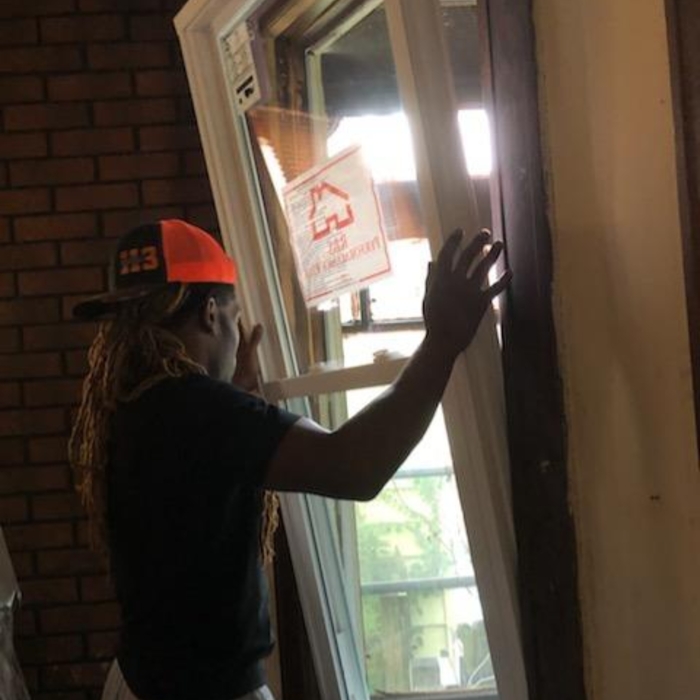
Energy-efficient windows are judged on their performance according to a few different factors, including heat transfer, air leakage, light transference, and condensation resistance. If you're unsure whether a window is energy-efficient, look for an ENERGY STAR® label from the U.S. Environmental Protection Agency (EPA). If various products, including windows, meet energy-efficiency standards set by the federal government, the EPA issues this label to help consumers identify energy-efficient products.

Typically, a local home energy auditor is responsible for performing energy audits. A home energy auditor will conduct one of three energy audits designed by the American Society of Heating, Refrigerating, and Air-Conditioning Engineers (ASHRAE) to determine the energy efficiency of your home. The auditor often provides analysis that can help guide changes and improvements to your home for better energy efficiency, giving recommendations as necessary.

No, it isn’t necessary to have energy-efficient windows. However, if you care about your energy bill and making your windows more energy efficient, fixing any heat, UV, or air transfer issues is an excellent way to lower your bills and keep your house cooler in the summer and warmer in the winter.

To determine the right size generator for your house, you should calculate the total wattage of the appliances and devices you want to power during an outage. List all essential items, note their start-up wattages, and add them together.

Here are some typical wattage requirements for common appliances:

  • Refrigerator: 600 watts

  • Large dehumidifier: 700 watts

  • Large window air conditioner: 1,400 watts

  • Water heater: 3,000 to 4,500 watts

  • Electric furnace: 5,000 to 25,000 watts

A 7,500-watt generator might be sufficient for essentials like a refrigerator, freezer, well pump, and lighting circuits. However, for high-demand items like a water heater or furnace, a whole-home generator is a better choice. A portable generator may be enough if you only need to power a few critical items.

While home square footage can offer a rough estimate, it is not always a reliable indicator. For reference, here are some typical generator sizes based on square footage:

  • 1,000 sq ft: 6–9 kW

  • 1,500 sq ft: 7–10 kW

  • 2,000 sq ft: 10–14 kW

  • 2,500 sq ft: 12–16 kW

  • 3,000 sq ft: 16–20 kW+

For the most accurate sizing, consult a professional who can calculate your home's peak and average power consumption and recommend the optimal generator.

The Jackson, WI homeowners’ guide to energy efficiency auditing services

From average costs to expert advice, get all the answers you need to get your job done.